
Before Memmo my notes were scattered across PDFs. Now a workspace pulls everything into one place — I see exactly what's still left to study.
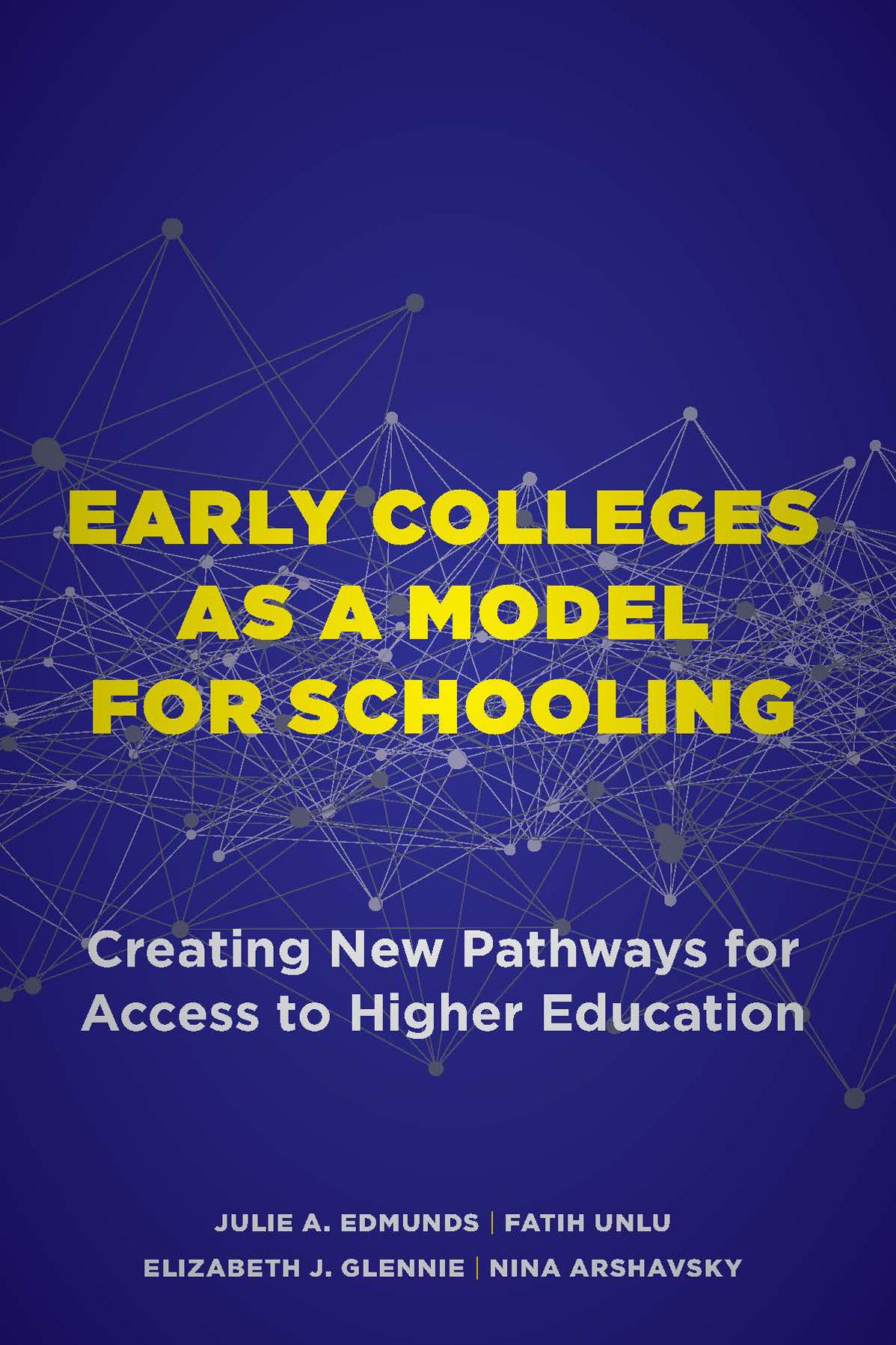
Early Colleges as a Model for Schooling advocates for early college high schools as an effective means of reducing academic, cultural, and financial obstacles to postsecondary education.
This perceptive work evaluates, both quantitatively and qualitatively, the impacts of early colleges—hybrids that blend elements of secondary and postsecondary education. It examines the strengths and challenges of early college models of different designs and explores their place in the greater education system.
Julie A. Edmunds, Fatih Unlu, Elizabeth J. Glennie, and Nina Arshavsky craft their narrative around the findings of one of the most ambitious studies to date on early college high schools, a fifteen-year longitudinal study involving more than four thousand students across nineteen secondary schools that have adopted the model. They offer insight into the student experience within early college high schools and beyond.
The authors demonstrate how the well-structured and supportive educational environment of early college not only prepares students academically for college-level coursework but also helps students navigate logistical challenges in applying for colleges and universities. They show how the positive outcomes of the early college experience can help tip the balance toward successful postsecondary educational experiences, especially for historically underserved students such as low-income students, minority students, and first-generation college students.
As the authors point out, a shift in the way the transition between secondary and postsecondary education is implemented provides an achievable approach to improving college readiness and lowering educational barriers. They argue persuasively that wider adoption of this educational model in high schools has great potential to improve overall access to higher education.
Before Memmo my notes were scattered across PDFs. Now a workspace pulls everything into one place — I see exactly what's still left to study.
Memmo's summaries are gold before exams. I don't have to re-read 800 pages two weeks before — just the important parts.
The AI chat has saved me the night before an exam more than once. I just keep asking until I get it — no waiting on a study group to reply.
The quizzes hit exactly what I need to know. Memmo tracks what I get stuck on — so I only practice what's worth it.
Flashcards with spaced repetition are magic. Memmo knows when I'm about to forget something and brings it back.
The AI podcasts are my favorite. I listen on my way to school and get a recap without sitting at a computer.

Handbok i kvalitativa metoder
281 kr

Hållbar utveckling: en introduktion för ingenjörer och andra problemlösare
334 kr

Brymans Samhällsvetenskapliga metoder
390 kr

Projektledning
491 kr

Den orättvisa hälsan: om socioekonomiska skillnader i hälsa och livslängd
326 kr

Vetenskapsteori för nybörjare
196 kr

Organizational Leadership
429 kr

På väg mot läraryrket
172 kr

Det sociala livet i skolan: Socialpsykologiska perspektiv
253 kr

Betygsättningens didaktik
151 kr

Personality
402 kr

Studying Leadership
404 kr

Managing Innovation
477 kr

Introduktion till samhällsvetenskaplig metod
347 kr

The Psychology of Sex and Gender
698 kr

Evidens och kunskap för socialt arbete
207 kr

Introduction to Leadership
605 kr