
Before Memmo my notes were scattered across PDFs. Now a workspace pulls everything into one place — I see exactly what's still left to study.
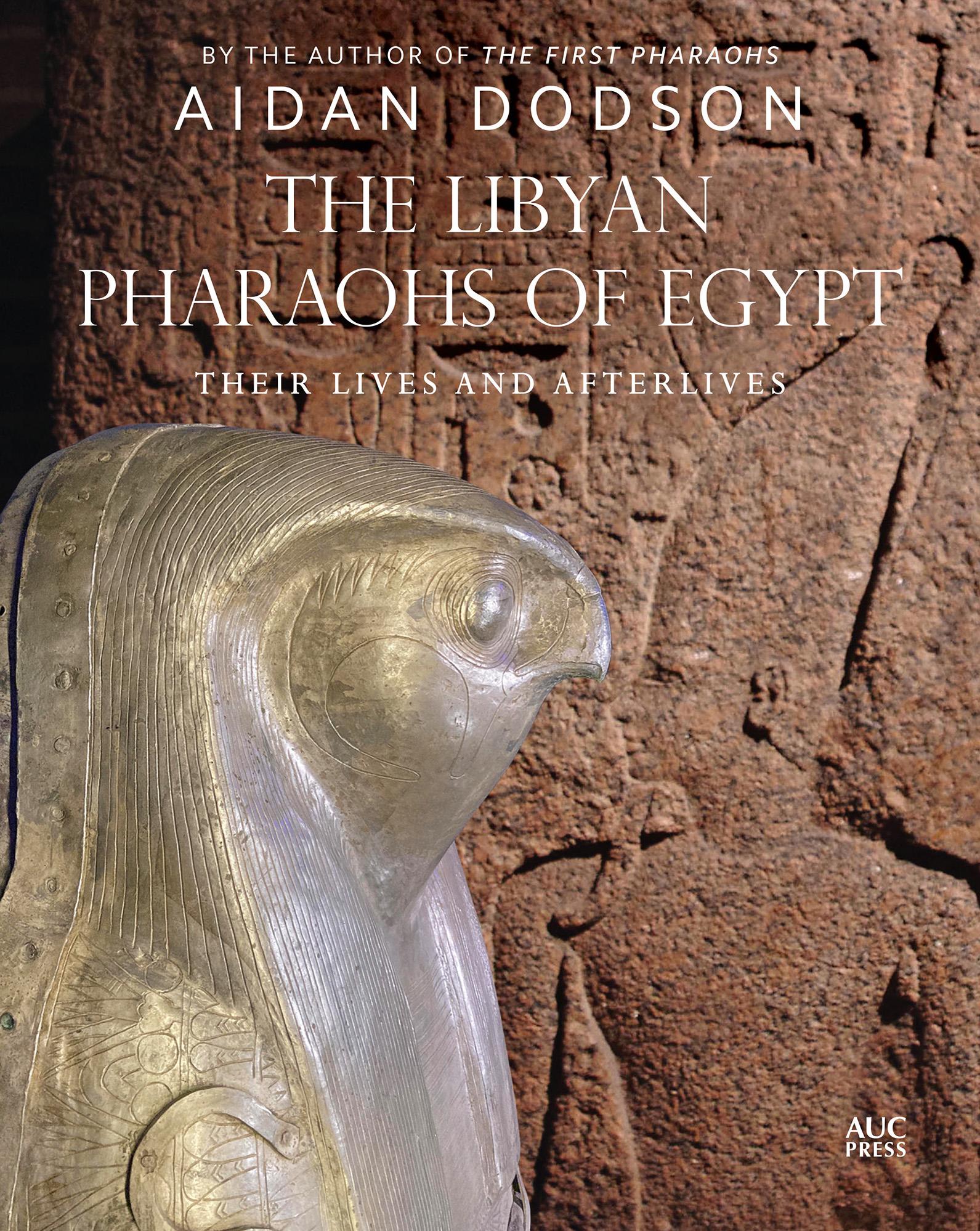
A comprehensive account of the Libyan pharaohs of Egypt, who ruled from the tenth through the seventh centuries BC, accessibly written by renowned Egyptologist Aidan Dodson
During the tenth through the seventh centuries BC, Egypt was ruled by a series of pharaohs of Libyan ancestry, who ranged from Shoshenq I, conqueror of Jerusalem, to individuals so obscure that some may actually be spelling errors. The Libyans had hitherto been enemies of the Egyptians, with conflicts going back into the third millennium BC. Yet during the eleventh century we find Libyan names among members of Egyptian elite families, and early in the next century a pharaoh of Libyan descent ascended the Egyptian throne. There is no evidence of any violent take-over, so it appears likely that ongoing immigration and intermarriage with the Egyptian elites had brought a Libyan line to this point.
Although the earlier Libyan pharaohs seem to have maintained the tradition of a unitary Egyptian state, as time went by, Libyan ideas of decentralized control became more prevalent. As a result, we find individuals holding both Libyan and Egyptian titles controlling distinct territories around Egypt, some of whom assumed the names and titles of a pharaoh. Conflict sometimes accompanied this process, with a long civil war fought for the control of southern Egypt and the great religious capital of Thebes. Some degree of central control was imposed with the advent of a further set of rulers from Nubia during the eight century, but a single Egyptian state would not be restored until the middle of the seventh century.
The Libyan Pharaohs of Egypt reconstructs the story of this era, covering not only its complex political history, but also its monuments – both for the living and the dead—and its aftermath, including the rediscovery of its kings and monuments in modern times.
Before Memmo my notes were scattered across PDFs. Now a workspace pulls everything into one place — I see exactly what's still left to study.
Memmo's summaries are gold before exams. I don't have to re-read 800 pages two weeks before — just the important parts.
The AI chat has saved me the night before an exam more than once. I just keep asking until I get it — no waiting on a study group to reply.
The quizzes hit exactly what I need to know. Memmo tracks what I get stuck on — so I only practice what's worth it.
Flashcards with spaced repetition are magic. Memmo knows when I'm about to forget something and brings it back.
The AI podcasts are my favorite. I listen on my way to school and get a recap without sitting at a computer.

Handbok i kvalitativa metoder
281 kr

Hållbar utveckling: en introduktion för ingenjörer och andra problemlösare
334 kr

Brymans Samhällsvetenskapliga metoder
390 kr

Projektledning
491 kr

Den orättvisa hälsan: om socioekonomiska skillnader i hälsa och livslängd
326 kr

Organizational Leadership
429 kr

Vetenskapsteori för nybörjare
196 kr

På väg mot läraryrket
172 kr

Det sociala livet i skolan: Socialpsykologiska perspektiv
253 kr

Betygsättningens didaktik
151 kr

Personality
402 kr

Studying Leadership
404 kr

Managing Innovation
477 kr

Introduktion till samhällsvetenskaplig metod
347 kr

The Psychology of Sex and Gender
698 kr

Evidens och kunskap för socialt arbete
207 kr

Introduction to Leadership
605 kr