
Before Memmo my notes were scattered across PDFs. Now a workspace pulls everything into one place — I see exactly what's still left to study.
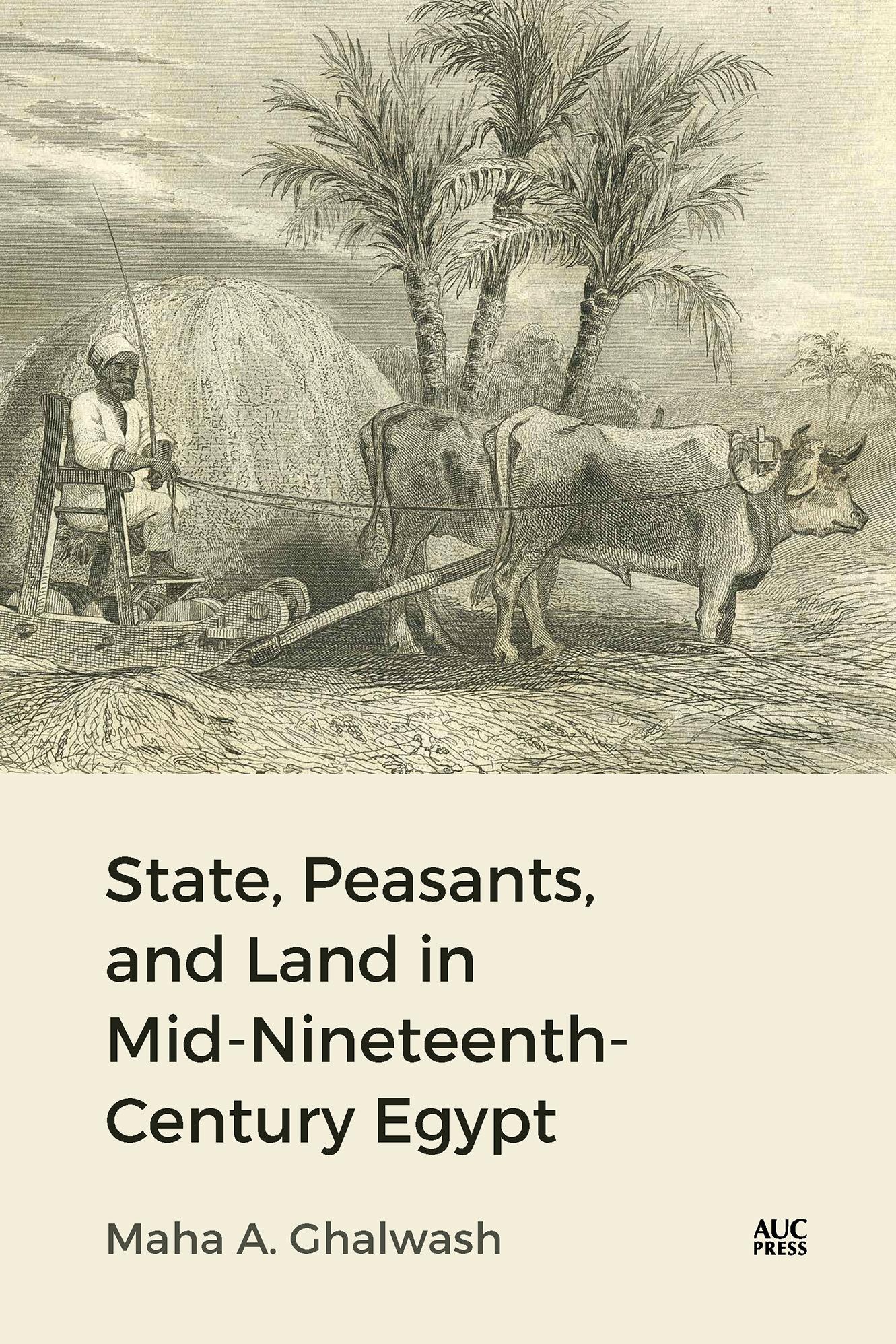
An alternative reading of the relationship between the state and smallholder peasants in mid-nineteenth-century Egypt
This book examines the rural history of Egypt during the middle years of the nineteenth century, a period that is often glossed over, or altogether forgotten. Drawing on a wide array of archival sources, some only rarely utilized by other scholars, it argues that state policy targeting the peasant land tenure regime was informed by the dual economic principles of the Ottoman, or traditional, philosophy of statecraft, and that the workings of the relevant regulations did not produce extensive peasant land loss and impoverishment.
Maha Ghalwash presents a rich, detailed analysis of such crucial issues as land legislation, tax impositions, the system of tax collection, modes of land acquisition, large-scale peasant abandonment of land, the emergence of surplus lands, the formation of large, privileged estates, distribution of village land, female land inheritance, and the nature of peasants’ political activity. In investigating these issues, she highlights peasant voices, experiences, and agential power.
Traditional interpretations of the rural history of nineteenth-century Egypt generally specify an avaricious state, so indifferent to peasant well-being that it consistently developed harsh policies that led to unremitting, extensive peasant impoverishment. Through an examination of the relationship between the absolutist state and the majority of its subject population, the peasant smallholders, during 1848–63, this study shows that these ideas do not hold for the mid-century period.
State, Peasants, and Land in Mid-Nineteenth-Century Egypt will be of interest to students of Middle East history, especially Egyptian rural history, as well as those of peasant studies, subaltern studies, gender studies, and Ottoman rural history.
Before Memmo my notes were scattered across PDFs. Now a workspace pulls everything into one place — I see exactly what's still left to study.
Memmo's summaries are gold before exams. I don't have to re-read 800 pages two weeks before — just the important parts.
The AI chat has saved me the night before an exam more than once. I just keep asking until I get it — no waiting on a study group to reply.
The quizzes hit exactly what I need to know. Memmo tracks what I get stuck on — so I only practice what's worth it.
Flashcards with spaced repetition are magic. Memmo knows when I'm about to forget something and brings it back.
The AI podcasts are my favorite. I listen on my way to school and get a recap without sitting at a computer.

Handbok i kvalitativa metoder
281 kr

Hållbar utveckling: en introduktion för ingenjörer och andra problemlösare
334 kr

Brymans Samhällsvetenskapliga metoder
390 kr

Projektledning
491 kr

Den orättvisa hälsan: om socioekonomiska skillnader i hälsa och livslängd
326 kr

Vetenskapsteori för nybörjare
196 kr

Organizational Leadership
429 kr

På väg mot läraryrket
172 kr

Det sociala livet i skolan: Socialpsykologiska perspektiv
253 kr

Betygsättningens didaktik
151 kr

Personality
402 kr

Studying Leadership
404 kr

Managing Innovation
477 kr

Introduktion till samhällsvetenskaplig metod
347 kr

The Psychology of Sex and Gender
698 kr

Evidens och kunskap för socialt arbete
207 kr

Introduction to Leadership
605 kr