
Before Memmo my notes were scattered across PDFs. Now a workspace pulls everything into one place — I see exactly what's still left to study.
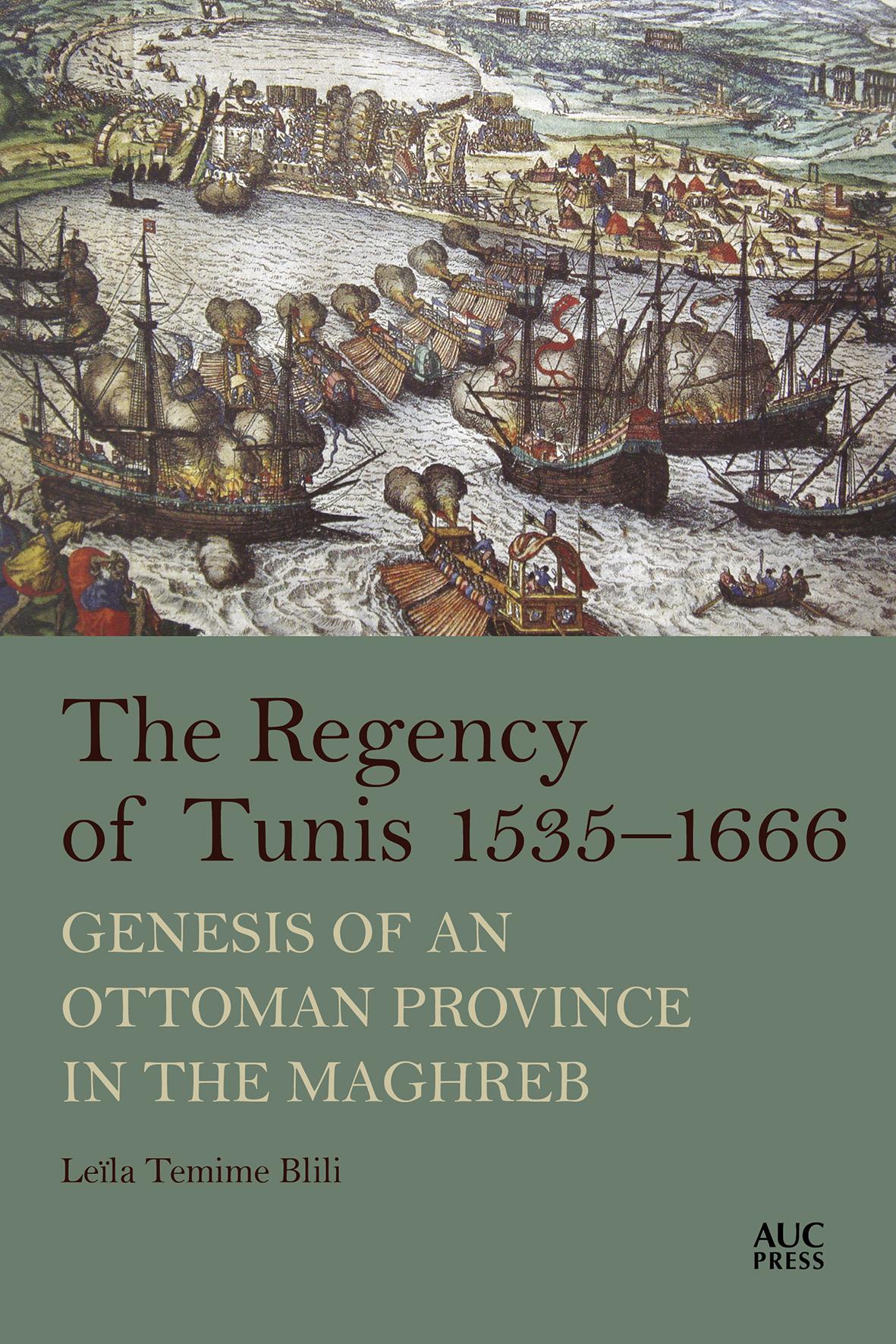
A new history of Ottoman Tunis
The first Ottoman conquest of Tunis took place in 1534 under the command of Kheireddine Barbarossa. However, it was not until 1574 that the Ottomans finally wrested control of the former Hafsid Ifriqiya (modern-day Tunisia), retaining it until the French occupation of Tunisia in 1881. The Regency of Tunis was thus born as an imperial province, and individuals originating from throughout the vast territory of the Ottoman Empire settled there, rapidly creating a new elite via marriage with women from local notable families. This book studies the former Hafsid territory’s position within the Ottoman world and the social developments that accompanied the genesis of the united Regency of Tunis until the death of Hamouda Pasha.
On the social plane, who were these Turko-Ottomans who were able to drive the Hafsid kings from their throne? Were they noble officers, as is so often remembered? The sources paint a different picture: one of rogues from distant Anatolia, and captives of corsairs from across the Mediterranean. These men expanded privateering for their own profit, seizing the country’s riches for themselves and monopolizing exports to Europe.
Leïla Blili revisits the conventional historiography of Ottoman Tunisia, widely considered by historians to be an autonomous province ruled by a dominant class of Turko-Ottomans cut off from local society. She shows that the Regency of Tunis was much less autonomous than secondary scholarship has alleged and, through her analysis of the marriages of these Turko-Ottomans, that they were in fact well-integrated into the local population. In doing so, she also illuminates the place of kinship ties in the establishing of inheritances, access to spheres of power, and the very acquisition of titles of nobility.
Before Memmo my notes were scattered across PDFs. Now a workspace pulls everything into one place — I see exactly what's still left to study.
Memmo's summaries are gold before exams. I don't have to re-read 800 pages two weeks before — just the important parts.
The AI chat has saved me the night before an exam more than once. I just keep asking until I get it — no waiting on a study group to reply.
The quizzes hit exactly what I need to know. Memmo tracks what I get stuck on — so I only practice what's worth it.
Flashcards with spaced repetition are magic. Memmo knows when I'm about to forget something and brings it back.
The AI podcasts are my favorite. I listen on my way to school and get a recap without sitting at a computer.

Handbok i kvalitativa metoder
281 kr

Hållbar utveckling: en introduktion för ingenjörer och andra problemlösare
334 kr

Brymans Samhällsvetenskapliga metoder
390 kr

Projektledning
491 kr

Den orättvisa hälsan: om socioekonomiska skillnader i hälsa och livslängd
326 kr

Organizational Leadership
429 kr

Vetenskapsteori för nybörjare
196 kr

På väg mot läraryrket
172 kr

Det sociala livet i skolan: Socialpsykologiska perspektiv
253 kr

Betygsättningens didaktik
151 kr

Personality
402 kr

Studying Leadership
404 kr

Managing Innovation
477 kr

Introduktion till samhällsvetenskaplig metod
347 kr

The Psychology of Sex and Gender
698 kr

Evidens och kunskap för socialt arbete
207 kr

Introduction to Leadership
605 kr