
Before Memmo my notes were scattered across PDFs. Now a workspace pulls everything into one place — I see exactly what's still left to study.
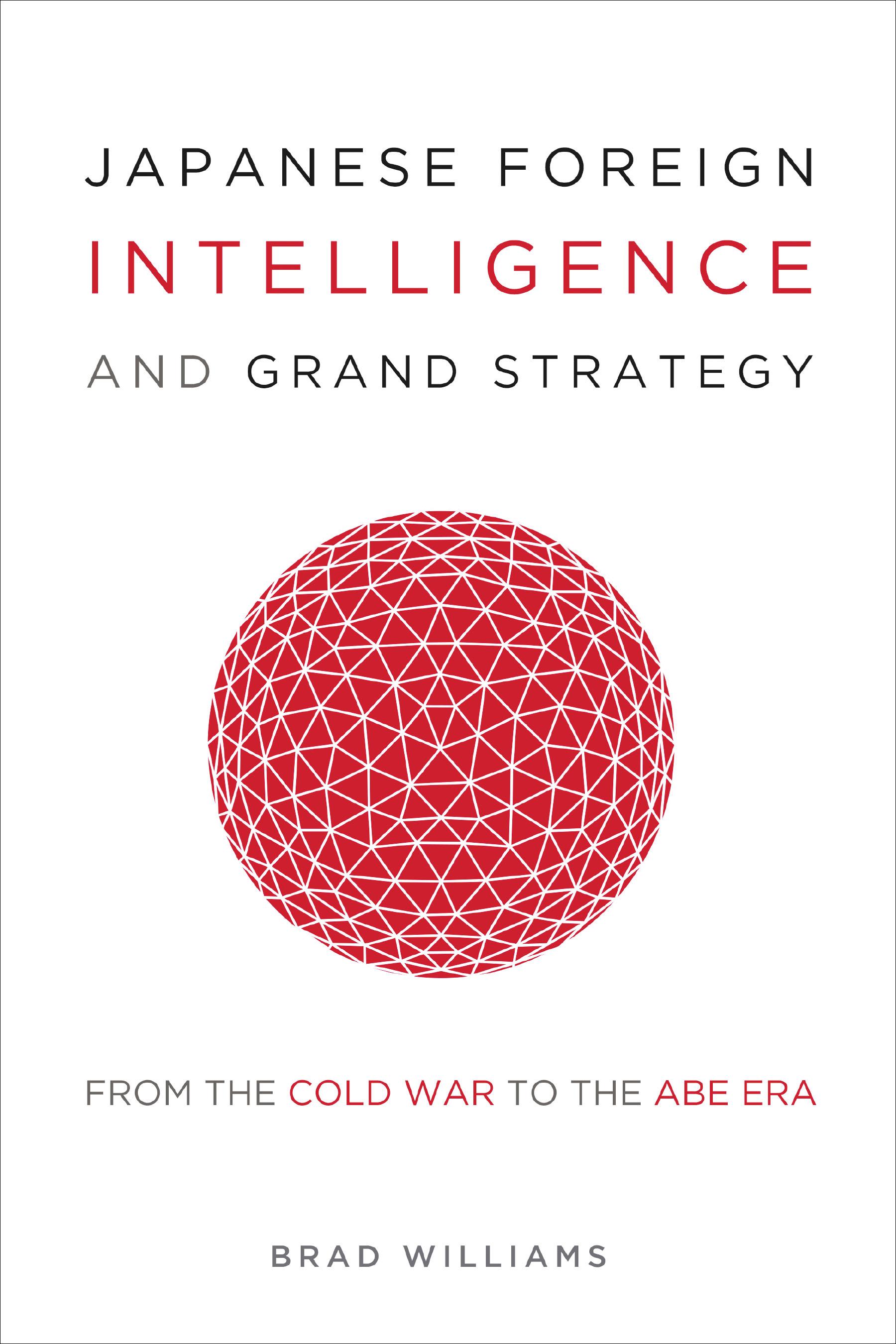
Incisive insights into the distinctive nature of Japanese foreign intelligence and grand strategy, its underlying norms, and how they have changed over time
Japanese foreign intelligence is an outlier in many ways. Unlike many states, Japan does not possess a centralized foreign intelligence agency that dispatches agents abroad to engage in espionage. Japan is also notable for civilian control over key capabilities in human and signals intelligence. Japanese Foreign Intelligence and Grand Strategy probes the unique makeup of Japan's foreign intelligence institutions, practices, and capabilities across the economic, political, and military domains and shows how they have changed over time.
Brad Williams begins by exploring how Japan’s experiences of the Second World War and its new role as a major US ally influenced its adoption of bilateralism, developmentalism, technonationalism, and antimilitarism as key norms. As a result, Japanese intelligence-gathering resources centered primarily around improving its position in the global economy throughout the Cold War. Williams then brings his analysis up to the Abe Era, examining how shifts in the international, regional, and domestic policy environments in the twenty-first century have caused a gradual reassessment of national security strategy under former prime minister Shinzo Abe. As Japan reevaluates its old norms in light of regional security challenges, the book concludes by detailing how the country is beginning to rethink the size, shape, and purpose of its intelligence community.
Anyone interested in Japanese intelligence, security, or international relations will welcome this important contribution to our understanding of the country's intelligence capabilities and strategy.
Before Memmo my notes were scattered across PDFs. Now a workspace pulls everything into one place — I see exactly what's still left to study.
Memmo's summaries are gold before exams. I don't have to re-read 800 pages two weeks before — just the important parts.
The AI chat has saved me the night before an exam more than once. I just keep asking until I get it — no waiting on a study group to reply.
The quizzes hit exactly what I need to know. Memmo tracks what I get stuck on — so I only practice what's worth it.
Flashcards with spaced repetition are magic. Memmo knows when I'm about to forget something and brings it back.
The AI podcasts are my favorite. I listen on my way to school and get a recap without sitting at a computer.

Handbok i kvalitativa metoder
281 kr

Hållbar utveckling: en introduktion för ingenjörer och andra problemlösare
334 kr

Brymans Samhällsvetenskapliga metoder
390 kr

Projektledning
491 kr

Den orättvisa hälsan: om socioekonomiska skillnader i hälsa och livslängd
326 kr

Organizational Leadership
429 kr

Vetenskapsteori för nybörjare
196 kr

På väg mot läraryrket
172 kr

Det sociala livet i skolan: Socialpsykologiska perspektiv
253 kr

Betygsättningens didaktik
151 kr

Personality
402 kr

Studying Leadership
404 kr

Managing Innovation
477 kr

Introduktion till samhällsvetenskaplig metod
347 kr

The Psychology of Sex and Gender
698 kr

Evidens och kunskap för socialt arbete
207 kr

Introduction to Leadership
605 kr