
Before Memmo my notes were scattered across PDFs. Now a workspace pulls everything into one place — I see exactly what's still left to study.
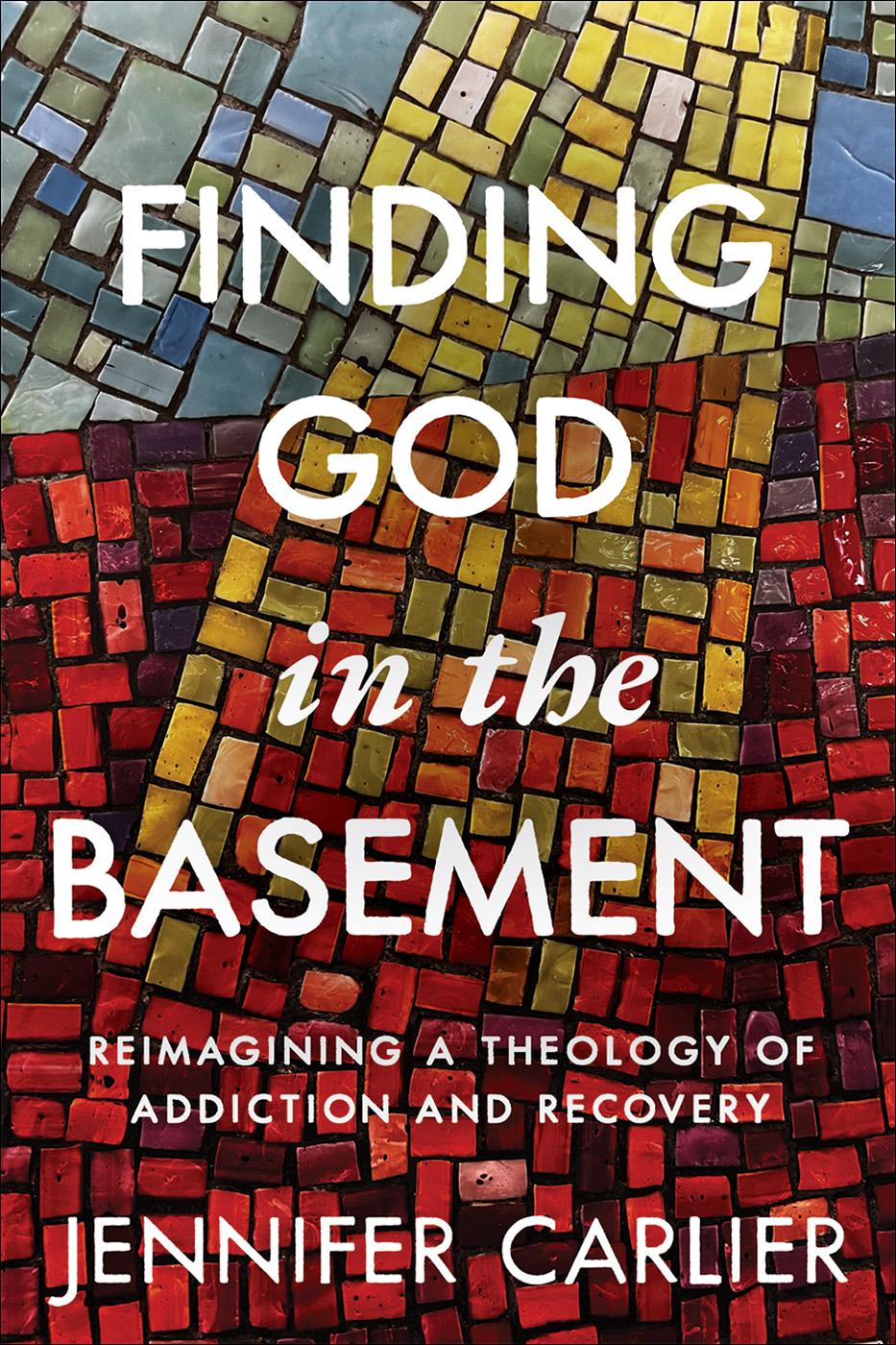
Finding God in the Basement reimagines the Christian theology of sin and salvation through the lens of addiction, offering a liberative vision of human dignity, hope for recovery, and communal transformation.
In Finding God in the Basement, Jennifer Carlier offers a theologically incisive critique of how Christian doctrines of sin and salvation fail to engage the lived realities of addiction and recovery. Drawing from her own experiences and from memoirs that recount others’ journeys through addiction and recovery, Carlier blends storytelling with theological scholarship and insights from addiction studies to offer a liberative theological framework for talking about addiction in a way that reimagines it, accounting for not only the profound suffering of addiction but also the hope of recovery.
Carlier offers a sharp critique of theological models of sin and salvation that reinforce shame and render the church an inhospitable or even harmful place for those suffering from addiction. In their place, she constructs a theological vision that affirms both human dignity in brokenness and a grounded hope for recovery and wholeness. She draws on the Augustinian concept of the bondage of the will, reimagined in conversation with contemporary understandings of addiction, to name the realities of addiction and human brokenness, and she lifts up the biblical exodus narrative as a more generative metaphor for salvation that accounts for both the challenge and hope for liberation and recovery in the present moment. This theological reframing is not only about individual healing for those with addiction but also about reshaping communal practices.
Carlier invites churches to learn from the recovery communities that often gather in their basements, where authenticity, mutual accountability, acceptance, and daily practices of living into freedom are valued. In doing so, Finding God in the Basement contributes meaningfully to ongoing conversations in constructive theology, practical theology, and Christian ethics, offering a compelling vision of what Christian communities might become when they center grace, authenticity, and vulnerability.
Before Memmo my notes were scattered across PDFs. Now a workspace pulls everything into one place — I see exactly what's still left to study.
Memmo's summaries are gold before exams. I don't have to re-read 800 pages two weeks before — just the important parts.
The AI chat has saved me the night before an exam more than once. I just keep asking until I get it — no waiting on a study group to reply.
The quizzes hit exactly what I need to know. Memmo tracks what I get stuck on — so I only practice what's worth it.
Flashcards with spaced repetition are magic. Memmo knows when I'm about to forget something and brings it back.
The AI podcasts are my favorite. I listen on my way to school and get a recap without sitting at a computer.

Handbok i kvalitativa metoder
281 kr

Hållbar utveckling: en introduktion för ingenjörer och andra problemlösare
334 kr

Brymans Samhällsvetenskapliga metoder
390 kr

Projektledning
491 kr

Den orättvisa hälsan: om socioekonomiska skillnader i hälsa och livslängd
326 kr

Organizational Leadership
429 kr

Vetenskapsteori för nybörjare
196 kr

På väg mot läraryrket
172 kr

Det sociala livet i skolan: Socialpsykologiska perspektiv
253 kr

Betygsättningens didaktik
151 kr

Personality
402 kr

Studying Leadership
404 kr

Managing Innovation
477 kr

Introduktion till samhällsvetenskaplig metod
347 kr

The Psychology of Sex and Gender
698 kr

Evidens och kunskap för socialt arbete
207 kr

Introduction to Leadership
605 kr