
Before Memmo my notes were scattered across PDFs. Now a workspace pulls everything into one place — I see exactly what's still left to study.
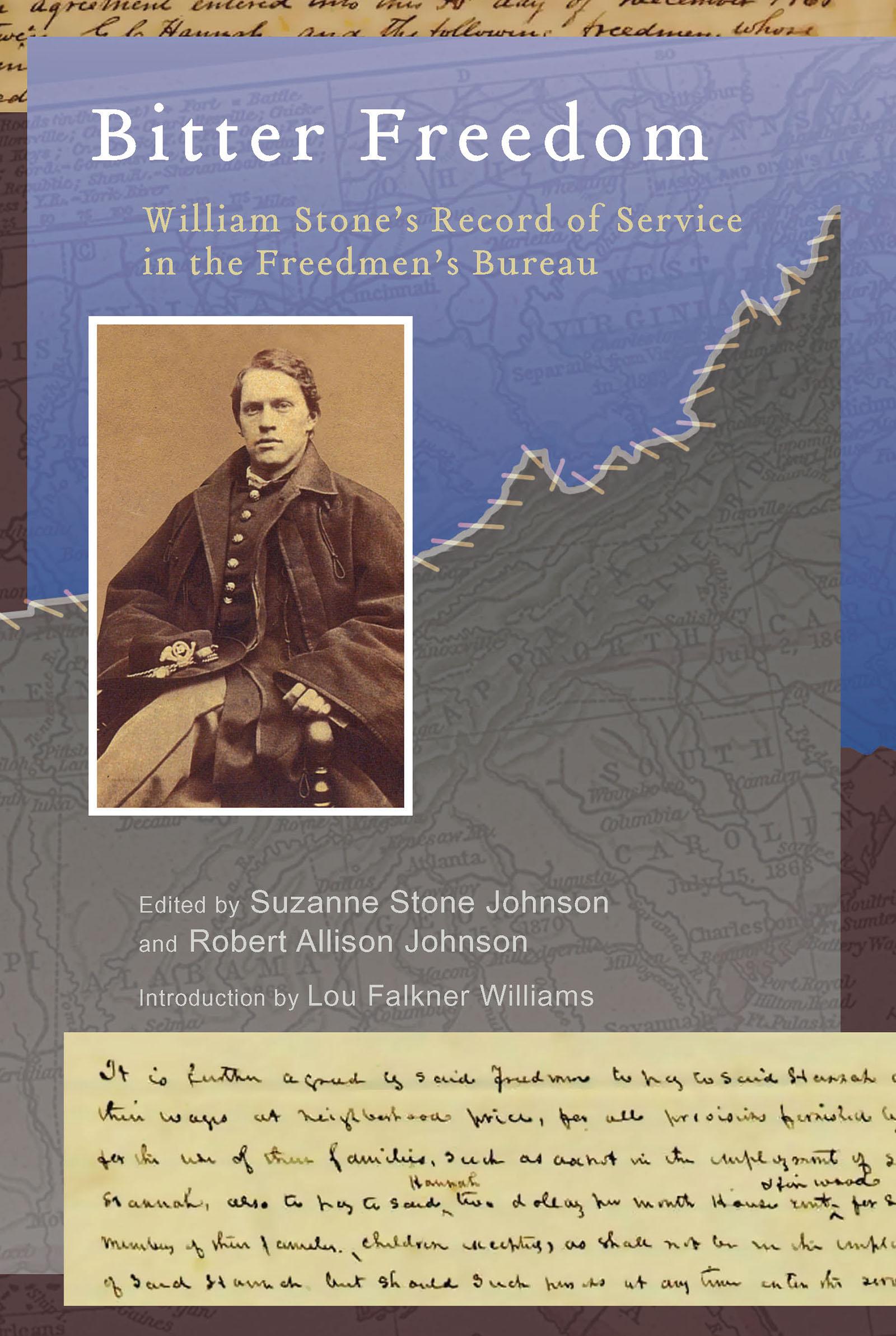
A firsthand account of evolving race relations in South Carolina during the Reconstruction era
Bitter Freedom is an insightful evaluation of the pivotal role of the Freedmen's Bureau during Reconstruction in war-torn South Carolina as written by a young bureau agent eager to do his part in rebuilding a divided nation. In early 1866 Major William Stone of the 19th Regiment of the Massachusetts Volunteers, having survived four major Civil War battles and three combat wounds, arrived in South Carolina to assume his duties in the newly formed Freedmen's Bureau. Spanning nearly three years of this service, his recently discovered first-person narrative chronicles his insightful observations on the postwar South and his experiences in carrying out the bureau's efforts in voter registration, education, land reform, civil rights enforcement, and mediation of racial disputes. Stone was diligent in his duties and detailed in his writings, the result of which is a compelling recollection of turbulent race relations in small towns of the upstate surrounding Anderson and along the Savannah River near Aiken.
That Stone was the son of a prominent New England abolitionist minister is apparent in his critical commentary on slave culture and in his perceptions of its negative impact on the morality of whites and blacks alike. Likewise his boyhood experiences on a small farm color his assessment of what he viewed as the wastefulness of Southern agricultural methods. Stone's background, combat experiences, and earnest inclination toward public service make for a fascinating vantage point in his vivid descriptions of the poverty, political corruption, racial hatreds, explosive violence, and corrosive animosity toward all things Yankee he witnessed in the defeated South. Yet he was so moved by the possibilities for progress he saw in South Carolina that, after his Freedmen's Bureau service ended, he went on to establish a successful law practice in Charleston and was eventually appointed as the state's attorney general.
Edited by his descendants, Stone's recollections remind modern readers of the harsh circumstances and bitter emotions of South Carolinians immediately following the Civil War and of the efforts of some to mend social and economic wounds. The record of service is augmented with an introduction by historian Lou Falkner Williams that sets the writings in the broader context of Reconstruction history.
Before Memmo my notes were scattered across PDFs. Now a workspace pulls everything into one place — I see exactly what's still left to study.
Memmo's summaries are gold before exams. I don't have to re-read 800 pages two weeks before — just the important parts.
The AI chat has saved me the night before an exam more than once. I just keep asking until I get it — no waiting on a study group to reply.
The quizzes hit exactly what I need to know. Memmo tracks what I get stuck on — so I only practice what's worth it.
Flashcards with spaced repetition are magic. Memmo knows when I'm about to forget something and brings it back.
The AI podcasts are my favorite. I listen on my way to school and get a recap without sitting at a computer.

Handbok i kvalitativa metoder
281 kr

Hållbar utveckling: en introduktion för ingenjörer och andra problemlösare
334 kr

Brymans Samhällsvetenskapliga metoder
390 kr

Projektledning
491 kr

Den orättvisa hälsan: om socioekonomiska skillnader i hälsa och livslängd
326 kr

Vetenskapsteori för nybörjare
196 kr

Organizational Leadership
429 kr

På väg mot läraryrket
172 kr

Det sociala livet i skolan: Socialpsykologiska perspektiv
253 kr

Betygsättningens didaktik
151 kr

Personality
402 kr

Studying Leadership
404 kr

Managing Innovation
477 kr

Introduktion till samhällsvetenskaplig metod
347 kr

The Psychology of Sex and Gender
698 kr

Evidens och kunskap för socialt arbete
207 kr

Introduction to Leadership
605 kr