
Before Memmo my notes were scattered across PDFs. Now a workspace pulls everything into one place — I see exactly what's still left to study.
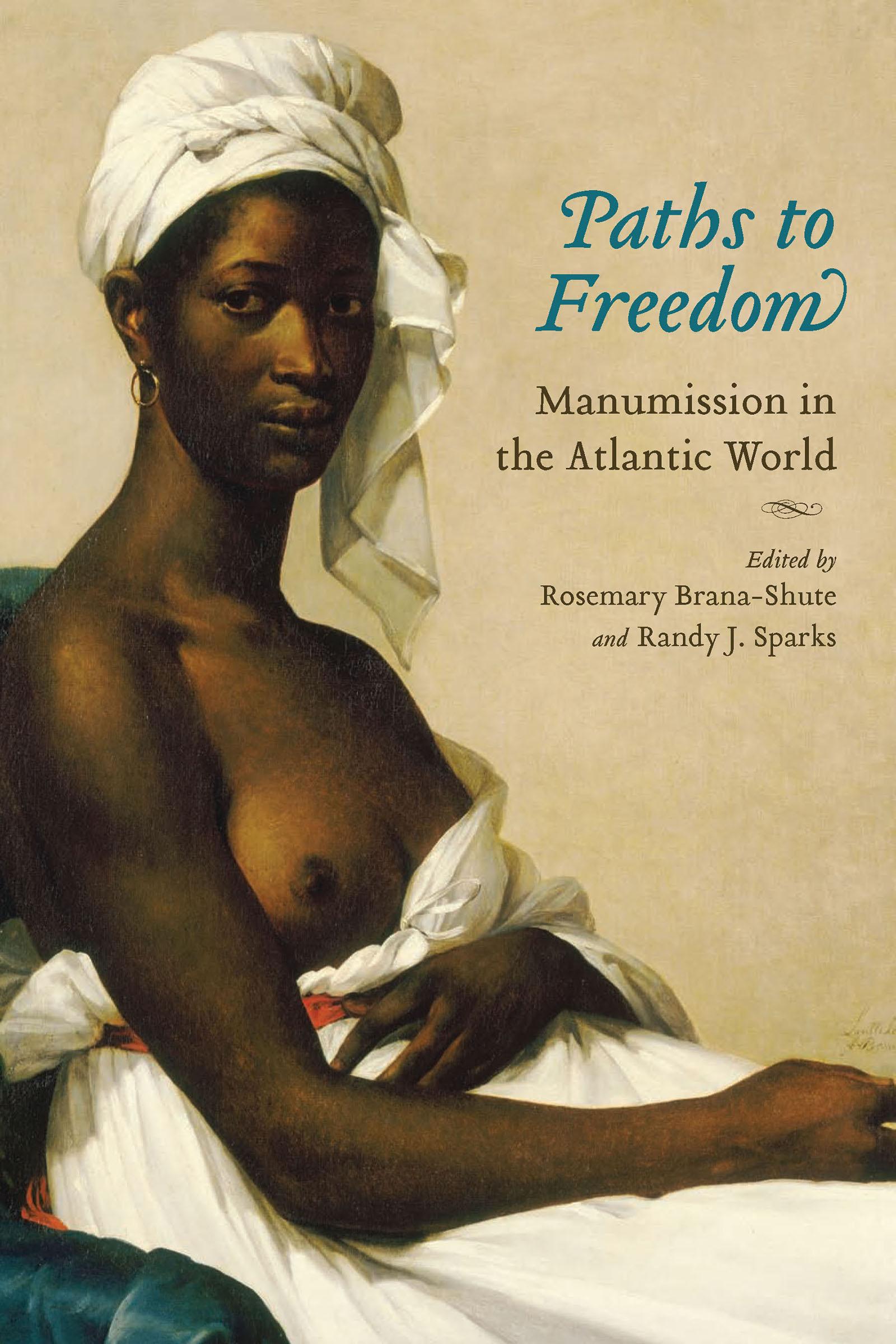
An international comparative study of a mode of emancipation that worked to reinforce the institution of slavery
Manumission—the act of freeing a slave while the institution of slavery continues—has received relatively little scholarly attention as compared to other aspects of slavery and emancipation. To address this gap, editors Rosemary Brana-Shute and Randy J. Sparks present a volume of essays that comprise the first-ever comparative study of manumission as it affected slave systems on both sides of the Atlantic.
In this landmark volume, an international group of scholars consider the history and implications of manumission from the medieval period to the late nineteenth century as the phenomenon manifested itself in the Old World and the New. The contributors demonstrate that although the means of manumission varied greatly across the Atlantic world, in every instance the act served to reinforce the sovereign power structures inherent in the institution of slavery. In some societies only a master had the authority to manumit slaves, while in others the state might grant freedom or it might be purchased. Regardless of the source of manumission, the result was viewed by its society as a benevolent act intended to bind the freed slave to his or her former master through gratitude if no longer through direct ownership. The possibility of manumission worked to inspire faithful servitude among slaves while simultaneously solidifying the legitimacy of their ownership.
The essayists compare the legacy of manumission in medieval Europe; the Jewish communities of Levant, Europe, and the New World; the Dutch, French, and British colonies; and the antebellum United States, while exploring wider patterns that extended beyond a single location or era. They also document the fates of manumitted slaves, some of whom were accepted into freed segments of their societies; while others were expected to vacate their former communities entirely. The contributors investigate the cultural consequences of manumission as well as the changing economic conditions that limited the practice by the eighteenth century to understand better the social implications of this multifaceted aspect of the system of slavery.
Before Memmo my notes were scattered across PDFs. Now a workspace pulls everything into one place — I see exactly what's still left to study.
Memmo's summaries are gold before exams. I don't have to re-read 800 pages two weeks before — just the important parts.
The AI chat has saved me the night before an exam more than once. I just keep asking until I get it — no waiting on a study group to reply.
The quizzes hit exactly what I need to know. Memmo tracks what I get stuck on — so I only practice what's worth it.
Flashcards with spaced repetition are magic. Memmo knows when I'm about to forget something and brings it back.
The AI podcasts are my favorite. I listen on my way to school and get a recap without sitting at a computer.

Handbok i kvalitativa metoder
281 kr

Hållbar utveckling: en introduktion för ingenjörer och andra problemlösare
334 kr

Brymans Samhällsvetenskapliga metoder
390 kr

Projektledning
491 kr

Den orättvisa hälsan: om socioekonomiska skillnader i hälsa och livslängd
326 kr

Vetenskapsteori för nybörjare
196 kr

Organizational Leadership
429 kr

På väg mot läraryrket
172 kr

Det sociala livet i skolan: Socialpsykologiska perspektiv
253 kr

Betygsättningens didaktik
151 kr

Personality
402 kr

Studying Leadership
404 kr

Managing Innovation
477 kr

Introduktion till samhällsvetenskaplig metod
347 kr

The Psychology of Sex and Gender
698 kr

Evidens och kunskap för socialt arbete
207 kr

Introduction to Leadership
605 kr