
Before Memmo my notes were scattered across PDFs. Now a workspace pulls everything into one place — I see exactly what's still left to study.
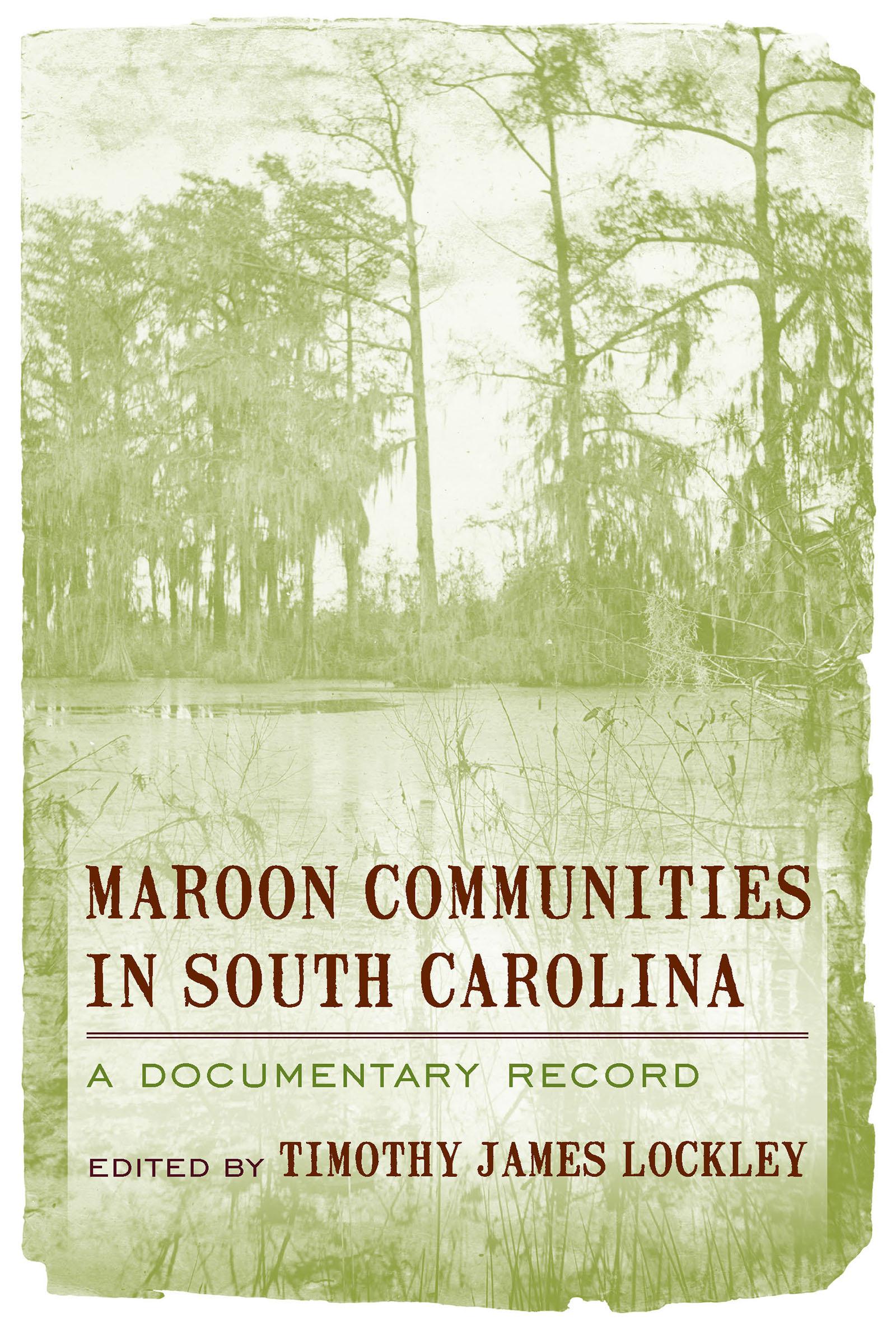
A detailed history of communities of escaped slaves who survived in South Carolina swamps
Maroon communities were small, secret encampments formed by runaway slaves, typically in isolated and defensible sections of wilderness. The phenomenon began as runaway slaves, unable to escape to safe havens in sympathetic colonies, opted instead to band together for survival near the sites of their former enslavement. In this first survey of documentary records of marronage in colonial and antebellum South Carolina, Timothy James Lockley offers students and scholars of history an opportunity to assess the unique features and trends of the maroon experience in the Palmetto State.
South Carolina's maroon communities were typically formed in dense swamps where self-contained communities could remain hidden beyond the commercial interests of white society, game could be hunted, lands could be adapted for farming, and plantations could be reached if needed for raiding and trading. Marronage was a persistent problem for planter society in that its success left fully formed runaway-slave camps within striking distance of white communities and interactions between these two worlds were often violent. In addition maroons often maintained ties to enslaved African Americans on their former plantations, creating a web of community that operated outside of white control. Lockley surveys eighteenth- and early-nineteenth-century historical sources gathered from newspaper reports, court proceedings, government and military records, correspondence, and reward advertisements to illustrate the efforts of white South Carolinians to locate maroon communities, defend against raiding parties, and kill or capture runaways living in these societies. Lockley organizes these documents chronologically, dealing first with the origins of marronage, then with two surges in maroon activity just before and just after the American Revolution. After a lull in marronage at the start of the nineteenth century, a final swell occurred during the 1820s.
These primary documents are augmented by eight maps and by Lockley's introduction and afterword, which place the maroon societies of South Carolina in the larger context of marronage in other regions of the New World.
Before Memmo my notes were scattered across PDFs. Now a workspace pulls everything into one place — I see exactly what's still left to study.
Memmo's summaries are gold before exams. I don't have to re-read 800 pages two weeks before — just the important parts.
The AI chat has saved me the night before an exam more than once. I just keep asking until I get it — no waiting on a study group to reply.
The quizzes hit exactly what I need to know. Memmo tracks what I get stuck on — so I only practice what's worth it.
Flashcards with spaced repetition are magic. Memmo knows when I'm about to forget something and brings it back.
The AI podcasts are my favorite. I listen on my way to school and get a recap without sitting at a computer.

Handbok i kvalitativa metoder
281 kr

Hållbar utveckling: en introduktion för ingenjörer och andra problemlösare
334 kr

Brymans Samhällsvetenskapliga metoder
390 kr

Projektledning
491 kr

Den orättvisa hälsan: om socioekonomiska skillnader i hälsa och livslängd
326 kr

Vetenskapsteori för nybörjare
196 kr

Organizational Leadership
429 kr

På väg mot läraryrket
172 kr

Det sociala livet i skolan: Socialpsykologiska perspektiv
253 kr

Betygsättningens didaktik
151 kr

Personality
402 kr

Studying Leadership
404 kr

Managing Innovation
477 kr

Introduktion till samhällsvetenskaplig metod
347 kr

The Psychology of Sex and Gender
698 kr

Evidens och kunskap för socialt arbete
207 kr

Introduction to Leadership
605 kr