
Before Memmo my notes were scattered across PDFs. Now a workspace pulls everything into one place — I see exactly what's still left to study.
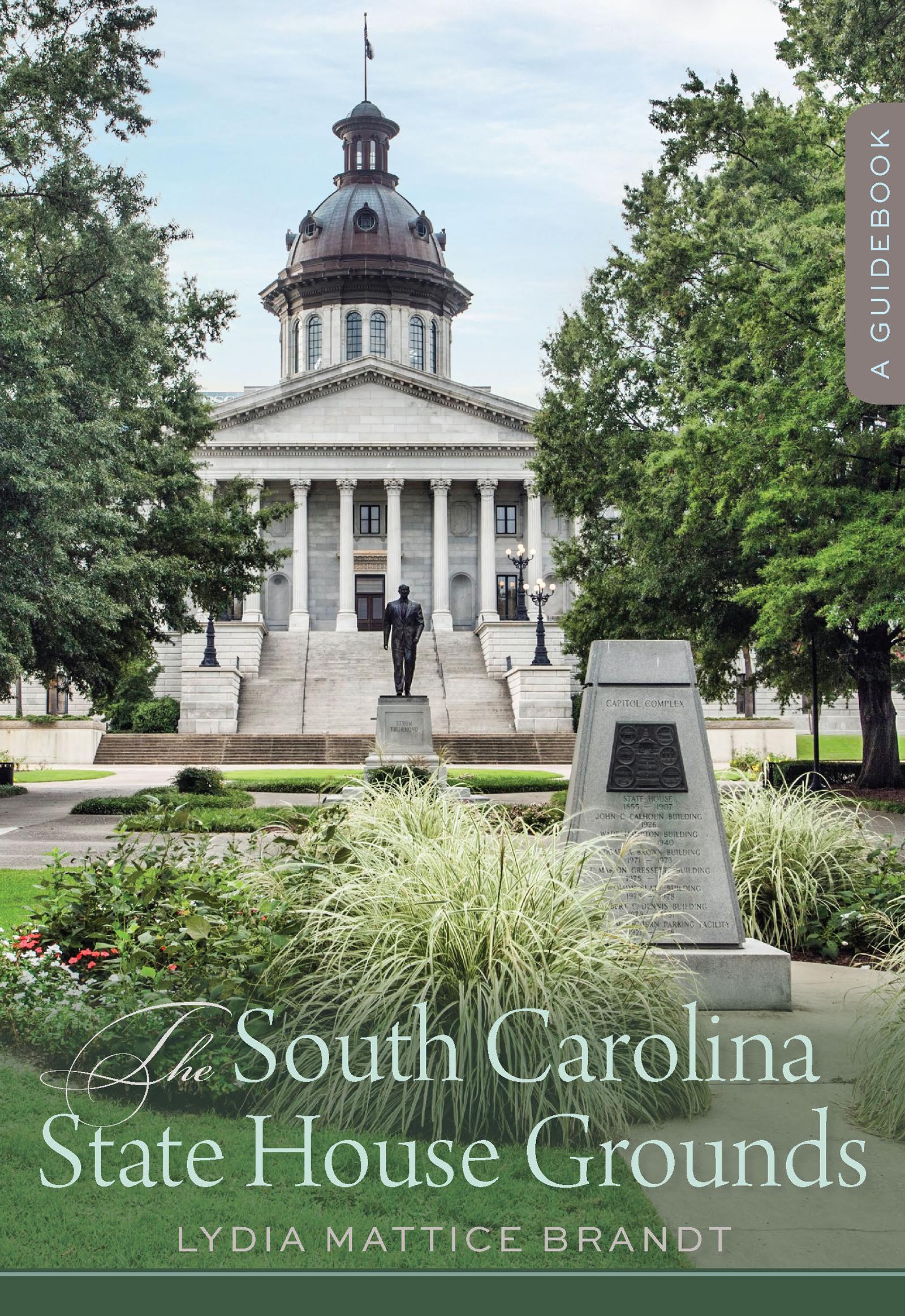
The first comprehensive narrative of the South Carolina state capitol and the history enshrined in its monuments from 1787 to the present
The South Carolina State House grounds are a work in progress—a cultural landscape of human-built and natural components connected physically, conceptually, and aesthetically. As public property, the grounds should represent and welcome everyone in the state. While it is a beautiful space, it is not neutral. Over the past two centuries, various groups have jostled for political and cultural power, and the winners have used the grounds to assert their authority and broadcast political positions on the state's most visible stage. These struggles have resulted in a perpetually evolving space.
In The South Carolina State House Grounds, the first comprehensive narrative of this important site at the heart of the Palmetto State, Lydia Mattice Brandt details the history of the state capitol and its setting—including the national, state, and local histories enshrined in its monuments—from 1787 to the present. Brandt argues that generations of private citizens and elected officials, who recognized the power of erecting public monuments and buildings that recall certain versions of history, have consciously shaped this highly charged, visible, and public place to assert authority over both the past and present. By recounting the intentions behind each element in the landscape, this guidebook considers how South Carolinians have used this place as a site of storytelling and mythmaking.
The South Carolina State House Grounds, a chronological history of the state's grandest public space, includes more than sixty illustrations that track the site's transformation over more than two centuries. Brandt chronicles the events that occurred in and around its buildings, the stories of the people memorialized in the grounds' monuments, and the histories of the monuments themselves.
Before Memmo my notes were scattered across PDFs. Now a workspace pulls everything into one place — I see exactly what's still left to study.
Memmo's summaries are gold before exams. I don't have to re-read 800 pages two weeks before — just the important parts.
The AI chat has saved me the night before an exam more than once. I just keep asking until I get it — no waiting on a study group to reply.
The quizzes hit exactly what I need to know. Memmo tracks what I get stuck on — so I only practice what's worth it.
Flashcards with spaced repetition are magic. Memmo knows when I'm about to forget something and brings it back.
The AI podcasts are my favorite. I listen on my way to school and get a recap without sitting at a computer.

Handbok i kvalitativa metoder
281 kr

Hållbar utveckling: en introduktion för ingenjörer och andra problemlösare
334 kr

Brymans Samhällsvetenskapliga metoder
390 kr

Projektledning
491 kr

Den orättvisa hälsan: om socioekonomiska skillnader i hälsa och livslängd
326 kr

Vetenskapsteori för nybörjare
196 kr

Organizational Leadership
429 kr

På väg mot läraryrket
172 kr

Det sociala livet i skolan: Socialpsykologiska perspektiv
253 kr

Betygsättningens didaktik
151 kr

Personality
402 kr

Studying Leadership
404 kr

Managing Innovation
477 kr

Introduktion till samhällsvetenskaplig metod
347 kr

The Psychology of Sex and Gender
698 kr

Evidens och kunskap för socialt arbete
207 kr

Introduction to Leadership
605 kr