
Before Memmo my notes were scattered across PDFs. Now a workspace pulls everything into one place — I see exactly what's still left to study.
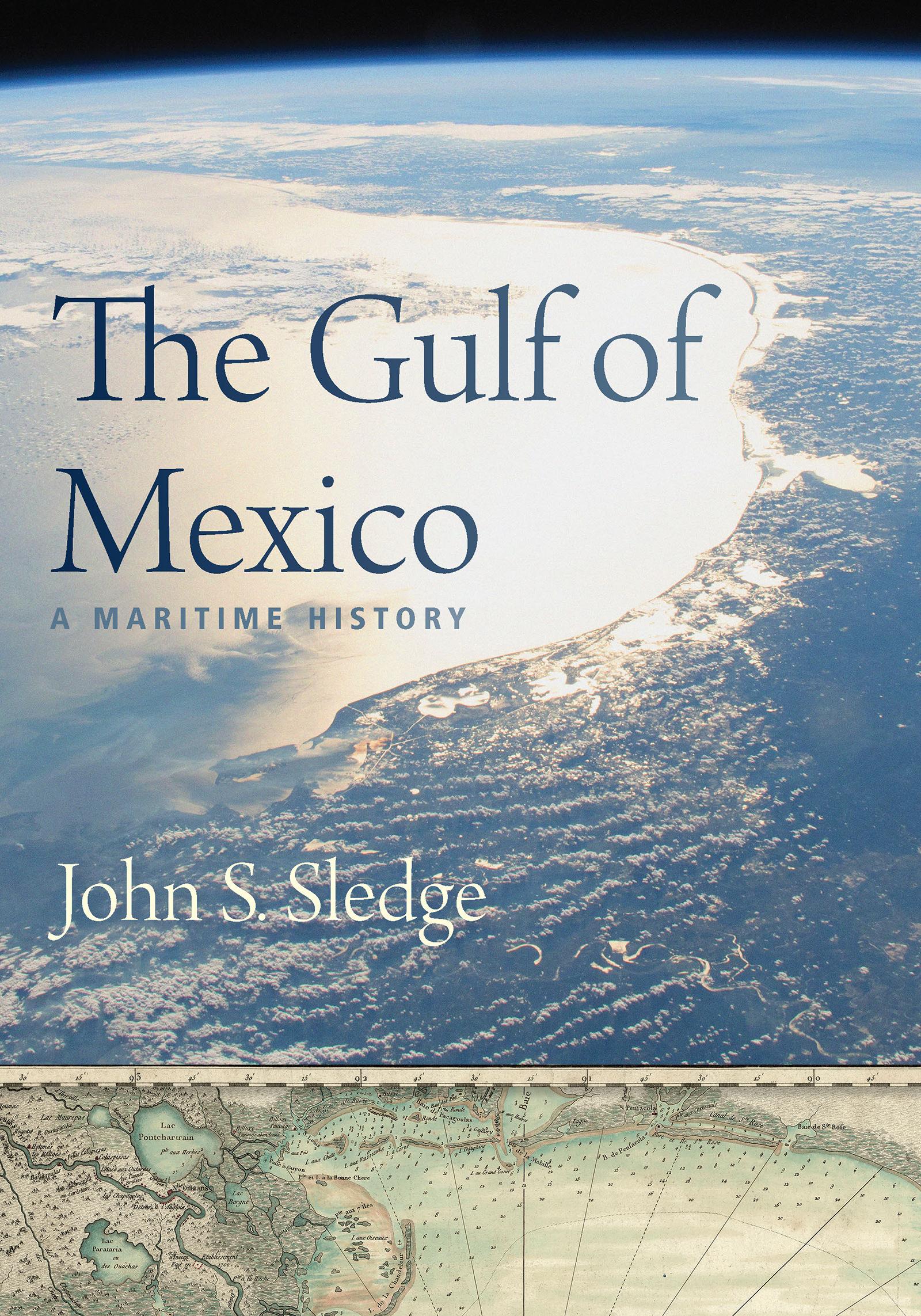
The Gulf of Mexico presents a compelling, salt-streaked narrative of the earth's tenth largest body of water. In this beautifully written and illustrated volume, John S. Sledge explores the people, ships, and cities that have made the Gulf's human history and culture so rich. Many famous figures who sailed the Gulf's viridian waters are highlighted, including Ponce de León, Robert Cavelier de La Salle, Francis Drake, Elizabeth Agassiz, Ernest Hemingway, and Charles Dwight Sigsbee at the helm of the doomed Maine. Sledge also introduces a fascinating array of people connected to maritime life in the Gulf, among them Maya priests, French pirates, African American stevedores, and Greek sponge divers.
Gulf events of global historical importance are detailed, such as the only defeat of armed and armored steamships by wooden sailing vessels, the first accurate deep-sea survey and bathymetric map of any ocean basin, the development of shipping containers by a former truck driver frustrated with antiquated loading practices, and the worst environmental disaster in American annals.
Occasionally shifting focus ashore, Sledge explains how people representing a gumbo of ethnicities built some of the world's most exotic cities—Havana, way station for conquistadores and treasure-filled galleons; New Orleans, the Big Easy, famous for its beautiful French Quarter, Mardi Gras, and relaxed morals; and oft-besieged Veracruz, Mexico's oldest city, founded in 1519 by Hernán Cortés. Throughout history the residents of these cities and their neighbors along the littoral have struggled with challenges both natural and human-induced—devastating hurricanes, frightening epidemics, catastrophic oil spills, and conflicts ranging from dockside brawls to pirate raids, foreign invasion, civil war, and revolution. In the modern era the Gulf has become critical to energy production, fisheries, tourism, and international trade, even as it is threatened by pollution and climate change. The Gulf of Mexico: A Maritime History is a work of verve and sweep that illuminates both the risks of life on the water and the riches that come from its bounty.
Before Memmo my notes were scattered across PDFs. Now a workspace pulls everything into one place — I see exactly what's still left to study.
Memmo's summaries are gold before exams. I don't have to re-read 800 pages two weeks before — just the important parts.
The AI chat has saved me the night before an exam more than once. I just keep asking until I get it — no waiting on a study group to reply.
The quizzes hit exactly what I need to know. Memmo tracks what I get stuck on — so I only practice what's worth it.
Flashcards with spaced repetition are magic. Memmo knows when I'm about to forget something and brings it back.
The AI podcasts are my favorite. I listen on my way to school and get a recap without sitting at a computer.

Handbok i kvalitativa metoder
281 kr

Hållbar utveckling: en introduktion för ingenjörer och andra problemlösare
334 kr

Brymans Samhällsvetenskapliga metoder
390 kr

Projektledning
491 kr

Den orättvisa hälsan: om socioekonomiska skillnader i hälsa och livslängd
326 kr

Vetenskapsteori för nybörjare
196 kr

Organizational Leadership
429 kr

På väg mot läraryrket
172 kr

Det sociala livet i skolan: Socialpsykologiska perspektiv
253 kr

Betygsättningens didaktik
151 kr

Personality
402 kr

Studying Leadership
404 kr

Managing Innovation
477 kr

Introduktion till samhällsvetenskaplig metod
347 kr

The Psychology of Sex and Gender
698 kr

Evidens och kunskap för socialt arbete
207 kr

Introduction to Leadership
605 kr