
Before Memmo my notes were scattered across PDFs. Now a workspace pulls everything into one place — I see exactly what's still left to study.
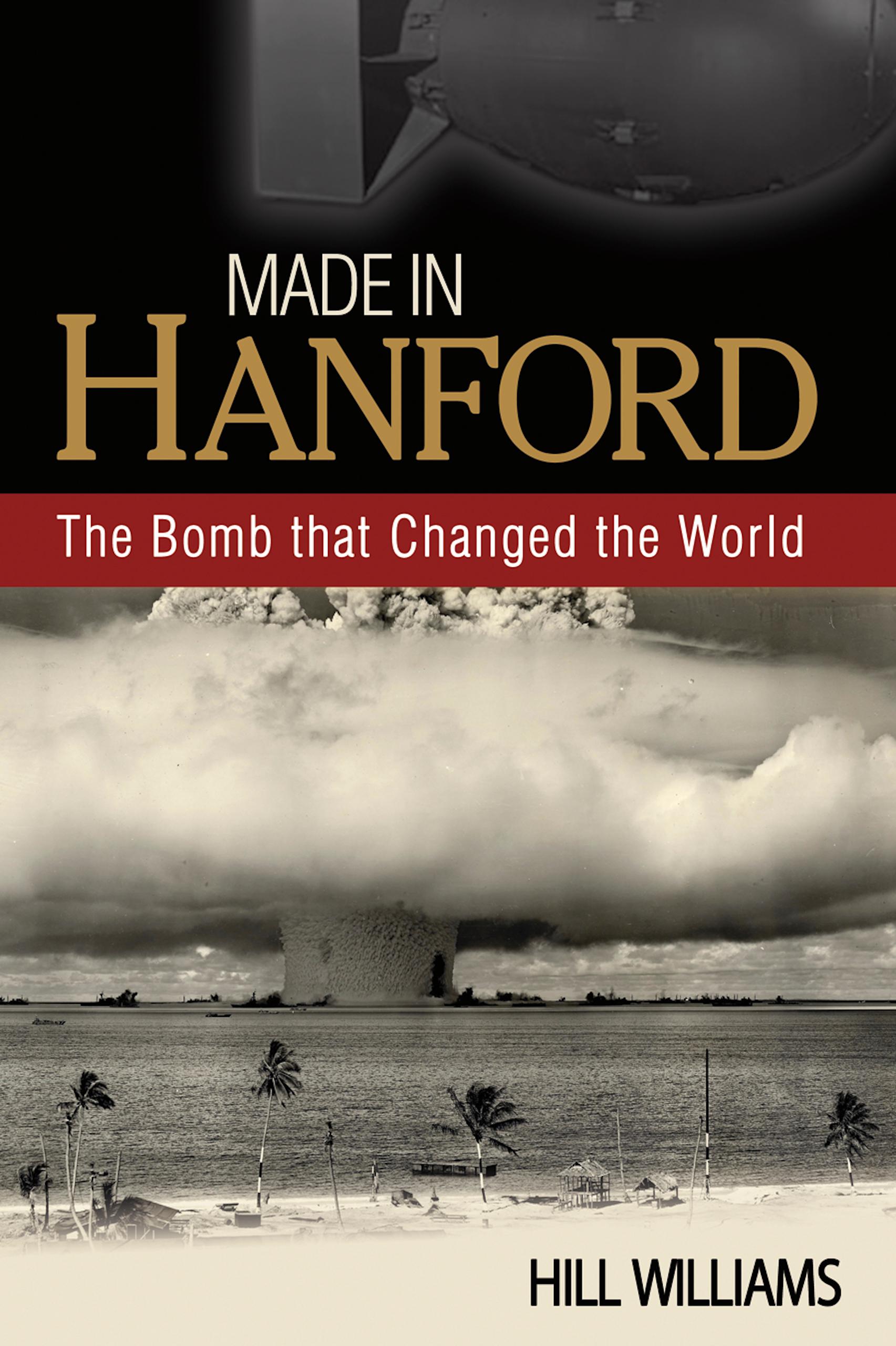
On the eve of World War II, news of an astonishing breakthrough filtered out of Germany. Scientists there had split uranium atoms. Researchers in the United States scrambled to verify results and further investigate this new science. Ominously, they soon recognized its potential to fuel the ultimate weapon--one able to release the energy of an uncontrolled chain reaction. By 1941, experiments led to the identification of plutonium, but laboratory work generated the new element in amounts far too small to be useful. Fearing the Nazis were on the verge of harnessing nuclear power, President Franklin D. Roosevelt gambled on an ambitious project to research and manufacture uranium and plutonium for military use.
As research continued, engineers began to construct massive buildings in an isolated eastern Washington farming community. Within two years, Hanford became the world’s first plutonium factory. The incredibly complex operation was accomplished with a speed and secrecy unheard of today; few involved knew what they were building. But on August 9, 1945, when the “Fat Man” fell on Nagasaki, the workers understood their part in changing the world.
Hanford’s role did not end there. The facility produced plutonium throughout the Cold War. Some was used in tests conducted halfway around the world. Nuclear bombs were dropped on the Bikini and Enewetak Atolls, profoundly impacting the Marshall Islands people and forever altering their way of life.
Through clear scientific explanations and personal reminiscences, Hill Williams traces Hanford’s role in the amazing and tragic story of the plutonium bomb.
Before Memmo my notes were scattered across PDFs. Now a workspace pulls everything into one place — I see exactly what's still left to study.
Memmo's summaries are gold before exams. I don't have to re-read 800 pages two weeks before — just the important parts.
The AI chat has saved me the night before an exam more than once. I just keep asking until I get it — no waiting on a study group to reply.
The quizzes hit exactly what I need to know. Memmo tracks what I get stuck on — so I only practice what's worth it.
Flashcards with spaced repetition are magic. Memmo knows when I'm about to forget something and brings it back.
The AI podcasts are my favorite. I listen on my way to school and get a recap without sitting at a computer.

Handbok i kvalitativa metoder
281 kr

Hållbar utveckling: en introduktion för ingenjörer och andra problemlösare
334 kr

Brymans Samhällsvetenskapliga metoder
390 kr

Projektledning
491 kr

Den orättvisa hälsan: om socioekonomiska skillnader i hälsa och livslängd
326 kr

Vetenskapsteori för nybörjare
196 kr

Organizational Leadership
429 kr

På väg mot läraryrket
172 kr

Det sociala livet i skolan: Socialpsykologiska perspektiv
253 kr

Betygsättningens didaktik
151 kr

Personality
402 kr

Studying Leadership
404 kr

Managing Innovation
477 kr

Introduktion till samhällsvetenskaplig metod
347 kr

The Psychology of Sex and Gender
698 kr

Evidens och kunskap för socialt arbete
207 kr

Introduction to Leadership
605 kr