
Before Memmo my notes were scattered across PDFs. Now a workspace pulls everything into one place — I see exactly what's still left to study.
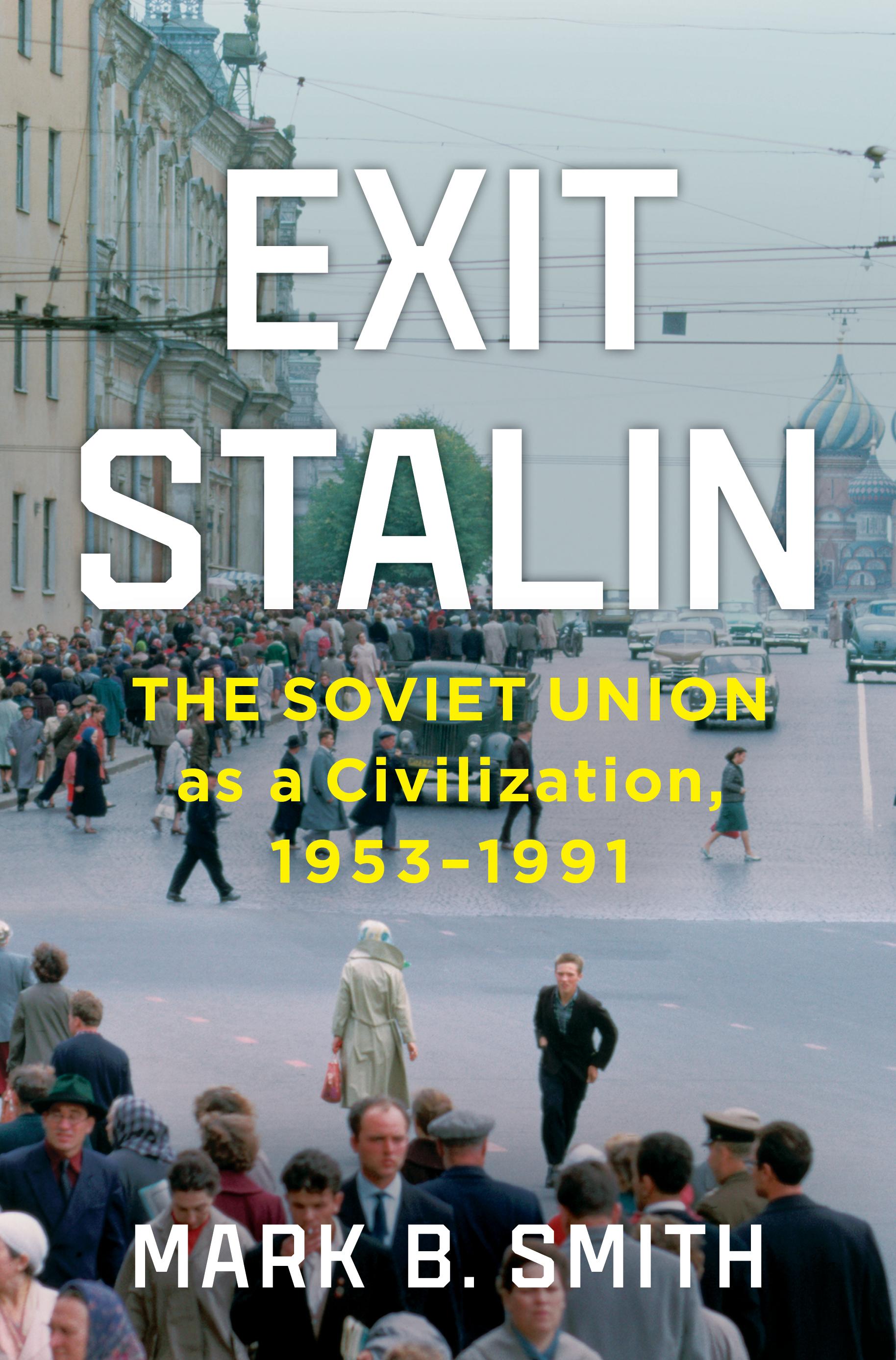
A "Best Non-Fiction to Read This Year" Selection from The New Statesman
A magisterial, revisionist narrative history of the Soviet Union in its post-Stalin heyday, bringing a forgotten society to vivid life and offering a new explanation for how it suddenly collapsed.
To those of us in the West, the Soviet Union is synonymous with Stalinism. The common view of the USSR is of a brutal regime that squelched dissent and oversaw a drab, terrified society. Yet as Cambridge historian Mark B. Smith demonstrates in Exit Stalin, after the death of the murderous Joseph Stalin in 1953, the Soviet Union was at a crossroads. Would it break from the dictator’s reign or continue his campaign of violence and fear?
The answer was both. The USSR remained harsh and authoritarian, yet it also earnestly sought to fulfill the Russian Revolution’s promise of an egalitarian, progressive future. Smith shows how vacation resorts, Pioneer camps, and new opportunities for private life coexisted with corruption scandals, KGB surveillance, and censorship. Re-creating the everyday rhythms of the country, he takes us into the Soviet Union’s culture, including TV shows and films that were little-known in the West. Ordinary citizens navigated the contradictions of existence under Khrushchev and his successors, building lives within a system they often accepted, believed in, or could not imagine abandoning. The result was the emergence of a distinctive and functioning civilization, a far cry from the vicious dictatorship of the West’s imagination.
A brilliantly original narrative of ordinary life in the late Soviet Union, Exit Stalin also presents a new account of its end, showing how a series of unexpected decisions unraveled the entire project. Ultimately, Smith reveals that the shortages, coercion, and incompetence that underlaid the USSR—and that by the late 1980s would doom it—have to be understood alongside the acceptance it always had from most of its citizens. And this reality, in turn, is crucial for understanding Russia and the rest of the former Soviet Union in the twenty-first century.
Before Memmo my notes were scattered across PDFs. Now a workspace pulls everything into one place — I see exactly what's still left to study.
Memmo's summaries are gold before exams. I don't have to re-read 800 pages two weeks before — just the important parts.
The AI chat has saved me the night before an exam more than once. I just keep asking until I get it — no waiting on a study group to reply.
The quizzes hit exactly what I need to know. Memmo tracks what I get stuck on — so I only practice what's worth it.
Flashcards with spaced repetition are magic. Memmo knows when I'm about to forget something and brings it back.
The AI podcasts are my favorite. I listen on my way to school and get a recap without sitting at a computer.

Handbok i kvalitativa metoder
281 kr

Hållbar utveckling: en introduktion för ingenjörer och andra problemlösare
334 kr

Brymans Samhällsvetenskapliga metoder
390 kr

Projektledning
491 kr

Den orättvisa hälsan: om socioekonomiska skillnader i hälsa och livslängd
326 kr

Organizational Leadership
429 kr

Vetenskapsteori för nybörjare
196 kr

På väg mot läraryrket
172 kr

Det sociala livet i skolan: Socialpsykologiska perspektiv
253 kr

Betygsättningens didaktik
151 kr

Personality
402 kr

Studying Leadership
404 kr

Managing Innovation
477 kr

Introduktion till samhällsvetenskaplig metod
347 kr

The Psychology of Sex and Gender
698 kr

Evidens och kunskap för socialt arbete
207 kr

Introduction to Leadership
605 kr