
Before Memmo my notes were scattered across PDFs. Now a workspace pulls everything into one place — I see exactly what's still left to study.
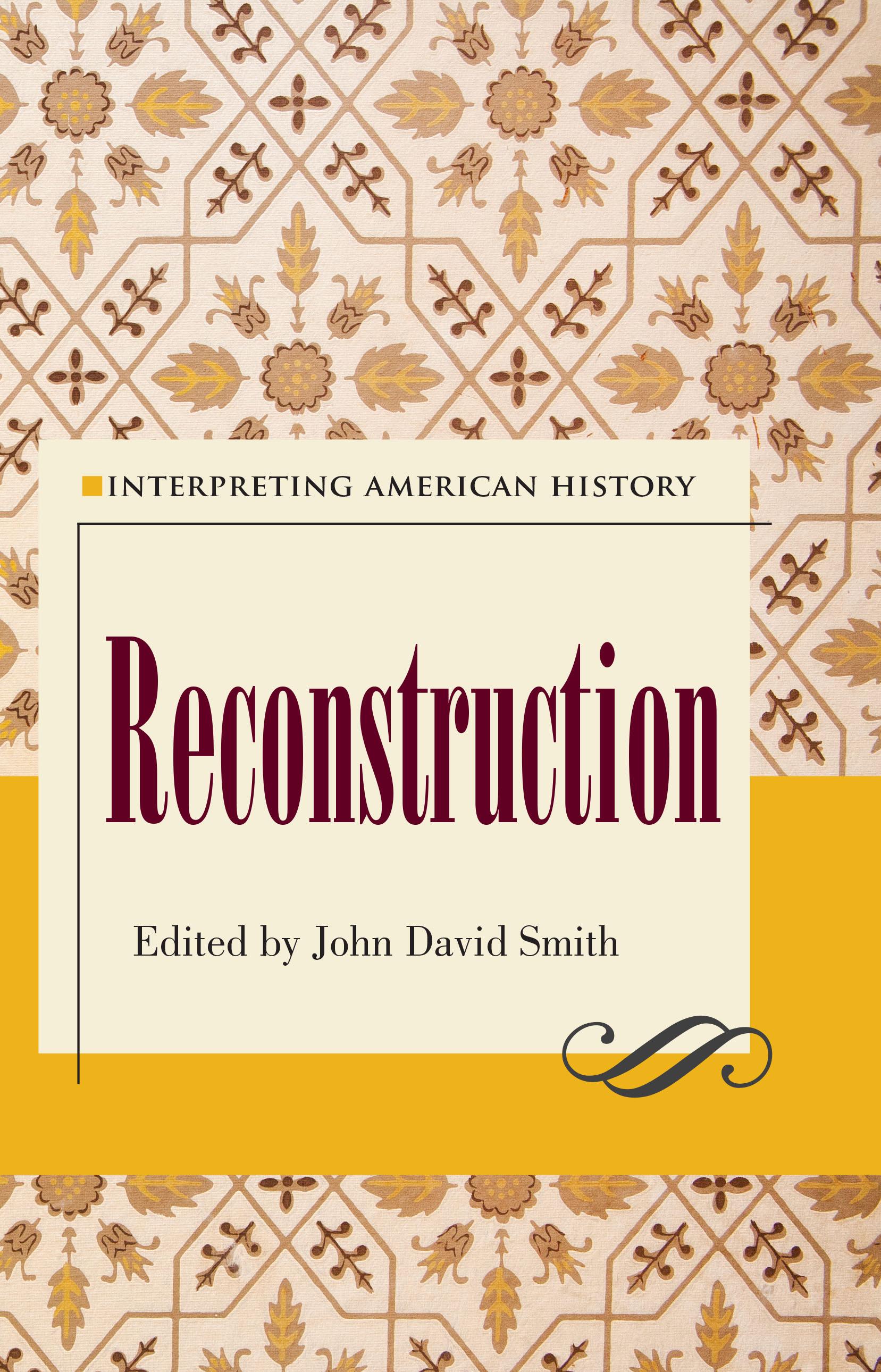
A survey and interpretive study of one of the defining issues in America’s past
Americans have vigorously debated and interpreted the role of slavery in American life for as long as enslaved people and their descendants have lived in North America. Contemporaries and later writers and scholars up to the present day have explored the meaning of slavery as a system of labor, an ideological paradox in a “free” political and social order, a violent mode of racial exploitation, and a global system of human commodification and trafficking.
To fully understand the various ways in which slavery has been depicted and described is a difficult task. Like any other important historical issue, this requires a thorough grasp of the underlying history, methodological developments over time, and the contemporary politics and culture of historians’ own times. And the case of slavery is further complicated, of course, by changes in the legal and political status of African Americans in the 20th and 21st centuries.
Slavery: Interpreting American History, like other volumes in the Interpreting American History series, surveys interpretations of important historical eras and events, examining both the intellectual shifts that have taken place and various catalysts that drove those shifts. While the depth of Americans’ historiographical engagement with slavery is not surprising given the turbulent history of race in America, the range and sheer volume of writing on the subject, spanning more than two centuries, can be overwhelming. Editors Aaron Astor and Thomas Buchanan, together with a team of expert contributors, highlight here the key debates and conceptual shifts that have defined the field. The volume will be an especially helpful guide for advanced undergraduate and graduate students, professional historians new to the field, and other readers interested in the study of American slavery.
Before Memmo my notes were scattered across PDFs. Now a workspace pulls everything into one place — I see exactly what's still left to study.
Memmo's summaries are gold before exams. I don't have to re-read 800 pages two weeks before — just the important parts.
The AI chat has saved me the night before an exam more than once. I just keep asking until I get it — no waiting on a study group to reply.
The quizzes hit exactly what I need to know. Memmo tracks what I get stuck on — so I only practice what's worth it.
Flashcards with spaced repetition are magic. Memmo knows when I'm about to forget something and brings it back.
The AI podcasts are my favorite. I listen on my way to school and get a recap without sitting at a computer.

Handbok i kvalitativa metoder
281 kr

Hållbar utveckling: en introduktion för ingenjörer och andra problemlösare
334 kr

Brymans Samhällsvetenskapliga metoder
390 kr

Projektledning
491 kr

Den orättvisa hälsan: om socioekonomiska skillnader i hälsa och livslängd
326 kr

Organizational Leadership
429 kr

Vetenskapsteori för nybörjare
196 kr

På väg mot läraryrket
172 kr

Det sociala livet i skolan: Socialpsykologiska perspektiv
253 kr

Betygsättningens didaktik
151 kr

Personality
402 kr

Studying Leadership
404 kr

Managing Innovation
477 kr

Introduktion till samhällsvetenskaplig metod
347 kr

The Psychology of Sex and Gender
698 kr

Evidens och kunskap för socialt arbete
207 kr

Introduction to Leadership
605 kr