
Before Memmo my notes were scattered across PDFs. Now a workspace pulls everything into one place — I see exactly what's still left to study.
A devastating loss of life and a community’s response
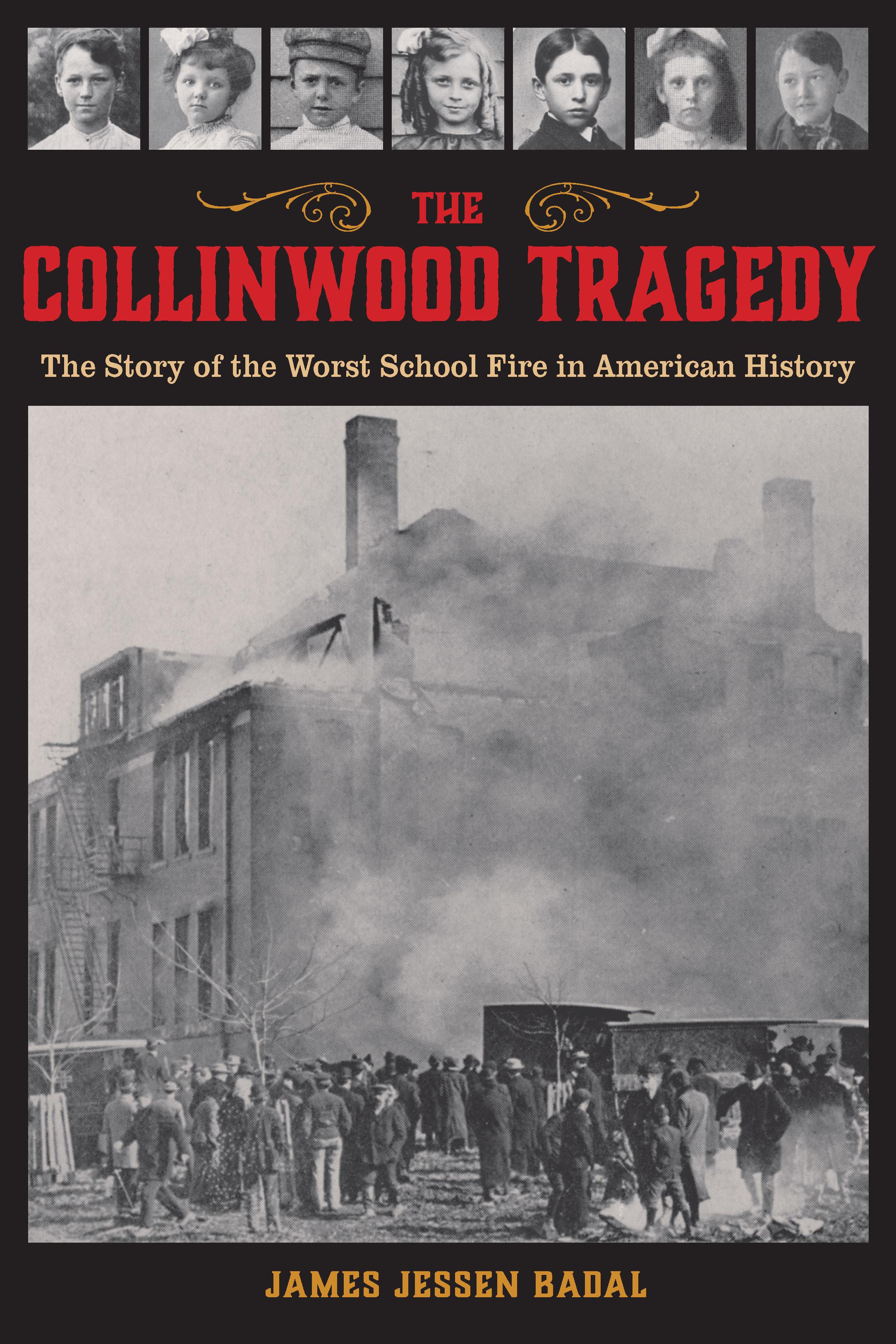
March 4, 1908, was an ordinary morning in Collinwood, Ohio, a village about ten miles outside of Cleveland. Children at Lakeview Elementary School were at work on their lessons when fifth-grader Emma Neibert noticed wisps of smoke, a discovery that led to a panicked stampede inside the school—the chaos of nine teachers trying to control and then save pupils in overcrowded classrooms. Outside, desperate parents and would-be rescuers fought to save as many children as possible, while Collinwood’s inadequate volunteer fire department—joined by members of the Cleveland fire department—fought a losing battle with the rapidly spreading blaze.
While some inside jumped from the building to safety, most were trapped. Ultimately, 172 children, two teachers, and one rescue worker were killed, and the Collinwood community was irrevocably changed.
The fire’s staggering death toll shocked the entire country and resulted in impassioned official inquiries about the fire’s cause, the building’s structure, and overall safety considerations. Regionally, and eventually nationwide, changes were implemented in school structures and construction materials.
The Collinwood Tragedy: The Story of the Worst School Fire in American History describes not only the events of that fateful day but also their lingering effects. James Jessen Badal’s extensive research reveals how the citizens of Collinwood were desperate to find someone to blame for the tragedy. Rumor and suspicion splintered the grieving community. And yet they also rose to the challenge of healing: officials reached out to immigrant families unsure of their rights; city charities, churches, and relief agencies responded immediately with medical help, comfort for the bereaved, and financial support; and fundraising efforts to assist families totaled more than $50,000—more than $1 million in today’s terms.
Before Memmo my notes were scattered across PDFs. Now a workspace pulls everything into one place — I see exactly what's still left to study.
Memmo's summaries are gold before exams. I don't have to re-read 800 pages two weeks before — just the important parts.
The AI chat has saved me the night before an exam more than once. I just keep asking until I get it — no waiting on a study group to reply.
The quizzes hit exactly what I need to know. Memmo tracks what I get stuck on — so I only practice what's worth it.
Flashcards with spaced repetition are magic. Memmo knows when I'm about to forget something and brings it back.
The AI podcasts are my favorite. I listen on my way to school and get a recap without sitting at a computer.

Handbok i kvalitativa metoder
281 kr

Hållbar utveckling: en introduktion för ingenjörer och andra problemlösare
334 kr

Brymans Samhällsvetenskapliga metoder
390 kr

Projektledning
491 kr

Den orättvisa hälsan: om socioekonomiska skillnader i hälsa och livslängd
326 kr

Vetenskapsteori för nybörjare
196 kr

Organizational Leadership
429 kr

På väg mot läraryrket
172 kr

Det sociala livet i skolan: Socialpsykologiska perspektiv
253 kr

Betygsättningens didaktik
151 kr

Personality
402 kr

Studying Leadership
404 kr

Managing Innovation
477 kr

Introduktion till samhällsvetenskaplig metod
347 kr

The Psychology of Sex and Gender
698 kr

Evidens och kunskap för socialt arbete
207 kr

Introduction to Leadership
605 kr