
Before Memmo my notes were scattered across PDFs. Now a workspace pulls everything into one place — I see exactly what's still left to study.
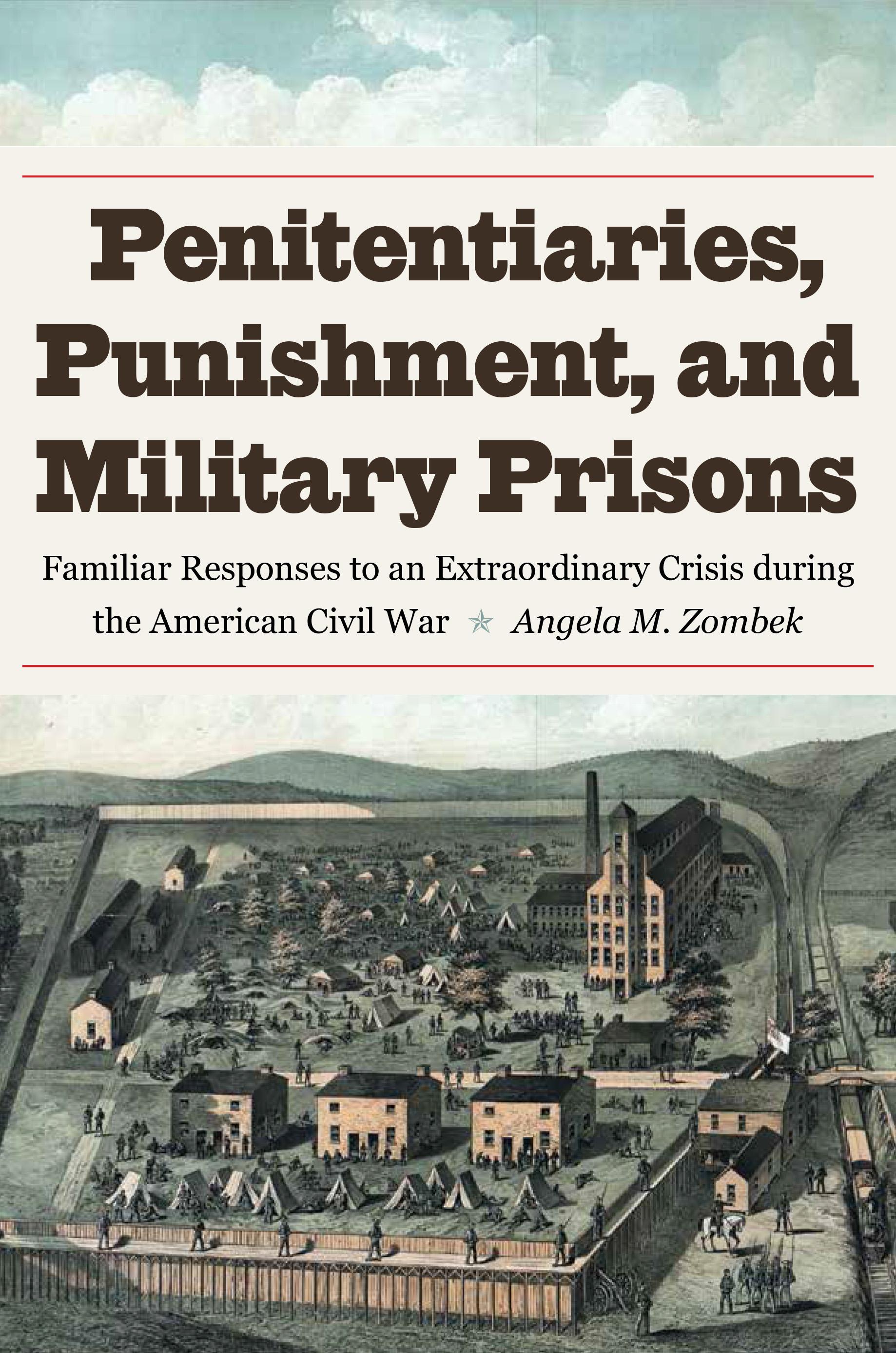
Penitentiaries, Punishment, and Military Prisons confronts the enduring claim that Civil War military prisons represented an apocalyptic and a historical rupture in America’s otherwise linear and progressive carceral history. Instead, it places the war years in the broader context of imprisonment in 19th-century America and contends that officers in charge of military prisons drew on administrative and punitive practices that existed in antebellum and wartime civilian penitentiaries to manage the war’s crisis of imprisonment. Union and Confederate officials outlined rules for military prisons, instituted punishments, implemented prison labor, and organized prisoners of war, both civilian and military, in much the same way as peacetime penitentiary officials had done, leading journalists to refer to many military prisons as “penitentiaries.”
Since imprisonment became directly associated with criminality in the antebellum period, military prison inmates internalized this same criminal stigma. One unknown prisoner expressed this sentiment succinctly when he penned, “I’m doomed a felon’s place to fill,” on the walls of Washington’s Old Capitol Prison. The penitentiary program also influenced the mindset of military prison officials who hoped that the experience of imprisonment would reform enemies into loyal citizens, just as the penitentiary program was supposed to reform criminals into productive citizens.
Angela Zombek examines the military prisons at Camp Chase, Johnson’s Island, the Old Capitol Prison, Castle Thunder, Salisbury, and Andersonville whose prisoners and administrators were profoundly impacted by their respective penitentiaries in Ohio; Washington, D.C.; Virginia; North Carolina; and Georgia. While primarily focusing on the war years, Zombek looks back to the early 1800s to explain the establishment and function of penitentiaries, discussing how military and civil punishments continuously influenced each other throughout the Civil War era.
Before Memmo my notes were scattered across PDFs. Now a workspace pulls everything into one place — I see exactly what's still left to study.
Memmo's summaries are gold before exams. I don't have to re-read 800 pages two weeks before — just the important parts.
The AI chat has saved me the night before an exam more than once. I just keep asking until I get it — no waiting on a study group to reply.
The quizzes hit exactly what I need to know. Memmo tracks what I get stuck on — so I only practice what's worth it.
Flashcards with spaced repetition are magic. Memmo knows when I'm about to forget something and brings it back.
The AI podcasts are my favorite. I listen on my way to school and get a recap without sitting at a computer.

Handbok i kvalitativa metoder
281 kr

Hållbar utveckling: en introduktion för ingenjörer och andra problemlösare
334 kr

Brymans Samhällsvetenskapliga metoder
390 kr

Projektledning
491 kr

Den orättvisa hälsan: om socioekonomiska skillnader i hälsa och livslängd
326 kr

Vetenskapsteori för nybörjare
196 kr

Organizational Leadership
429 kr

På väg mot läraryrket
172 kr

Det sociala livet i skolan: Socialpsykologiska perspektiv
253 kr

Betygsättningens didaktik
151 kr

Personality
402 kr

Studying Leadership
404 kr

Managing Innovation
477 kr

Introduktion till samhällsvetenskaplig metod
347 kr

The Psychology of Sex and Gender
698 kr

Evidens och kunskap för socialt arbete
207 kr

Introduction to Leadership
605 kr