
Before Memmo my notes were scattered across PDFs. Now a workspace pulls everything into one place — I see exactly what's still left to study.
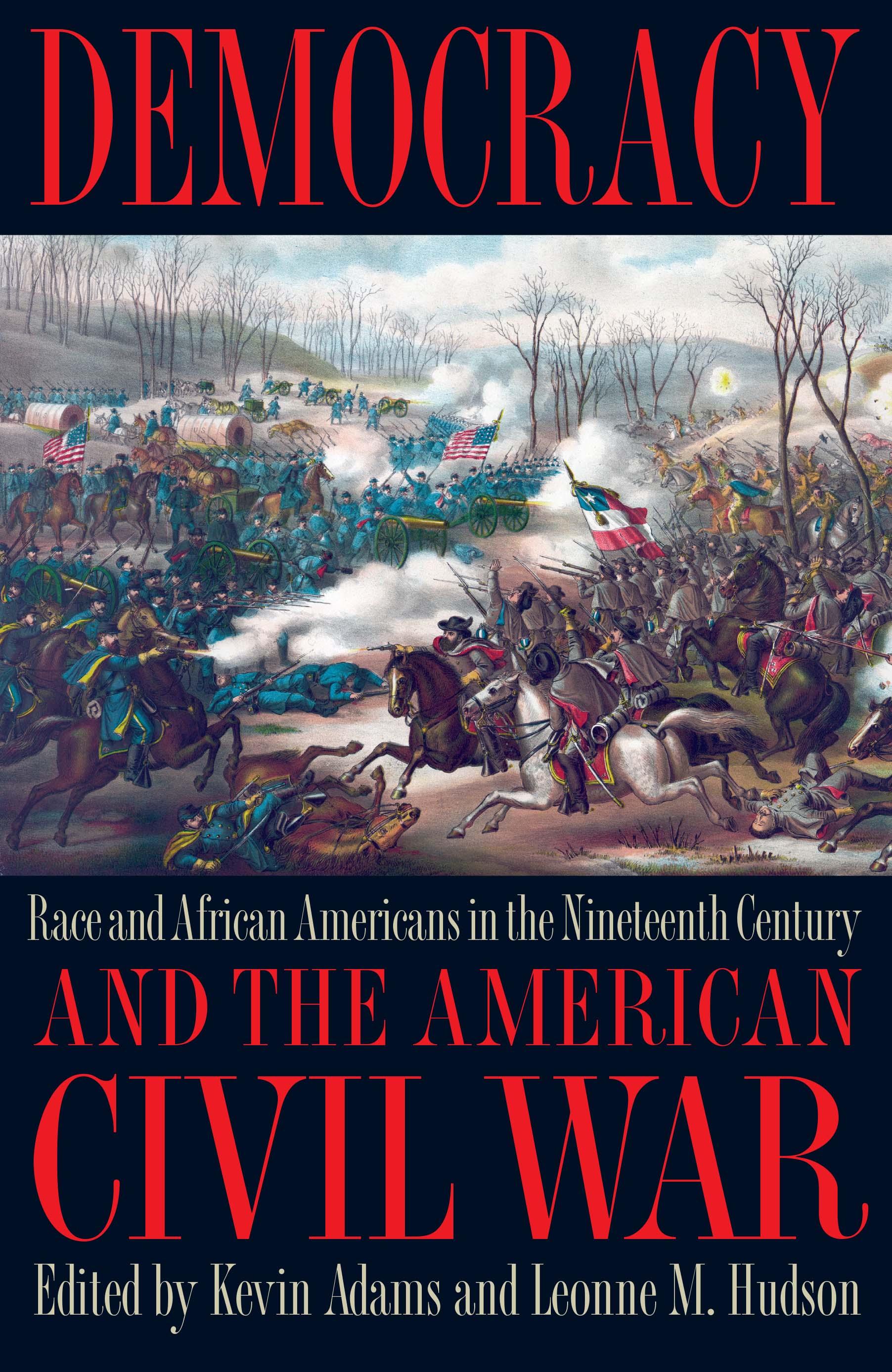
In 1865, after four tumultuous years of fighting, Americans welcomed the opportunity to return to a life of normalcy. President Abraham Lincoln issued his emancipation decree in January 1863 and had set the stage for what he hoped would be a smooth transition from war to peace with the announcement of his reconstruction program in December 1863 and with his call of “malice toward none and charity for all” in his Second Inaugural Address in March 1865. Lincoln’s dream of completing the process of reconstructing the nation was cut short just one month later by the hand of an assassin.
The essays in this volume—by Adams and Hudson along with Stanley Harrold, John David Smith, Mitchell Snay, and Fay Yarbrough—represent an exemplary collection on the importance of democracy and race during and after America’s most devastating conflict. Ranging from a consideration of antebellum abolitionists to the racial policies adopted by Native American tribes that had allied with the Confederacy to the ambiguous legacies of Reconstruction, these chapters are thoroughly researched, persuasively argued, and beautifully crafted. Democracy and the American Civil War is a compelling examination of black Americans and their quest for citizenship rights in the face of violence and ostracism.
As volume coeditor Leonne Hudson points out in his introduction, Lincoln’s actions were significant steps on the road toward the fulfillment of the democratic tenets contained in the foundational documents of the Declaration of Independence and the Constitution. By the end of the Civil War, President Lincoln had come to realize that individual freedom was an inalienable right. Furthermore, he believed that in a democratic nation all men were not only entitled to freedom but to equality as well. Although African Americans had played an unforgettable role in helping to preserve the Union, they found their path to full democracy littered with political and legal obstacles that would bedevil them for decades. This collection enriches our understanding of democracy, race, and the Civil War, and it reminds us that the historical importance of democracy and the complexity of race are topics with which we should continue to engage.
Before Memmo my notes were scattered across PDFs. Now a workspace pulls everything into one place — I see exactly what's still left to study.
Memmo's summaries are gold before exams. I don't have to re-read 800 pages two weeks before — just the important parts.
The AI chat has saved me the night before an exam more than once. I just keep asking until I get it — no waiting on a study group to reply.
The quizzes hit exactly what I need to know. Memmo tracks what I get stuck on — so I only practice what's worth it.
Flashcards with spaced repetition are magic. Memmo knows when I'm about to forget something and brings it back.
The AI podcasts are my favorite. I listen on my way to school and get a recap without sitting at a computer.

Handbok i kvalitativa metoder
281 kr

Hållbar utveckling: en introduktion för ingenjörer och andra problemlösare
334 kr

Brymans Samhällsvetenskapliga metoder
390 kr

Projektledning
491 kr

Den orättvisa hälsan: om socioekonomiska skillnader i hälsa och livslängd
326 kr

Vetenskapsteori för nybörjare
196 kr

Organizational Leadership
429 kr

På väg mot läraryrket
172 kr

Det sociala livet i skolan: Socialpsykologiska perspektiv
253 kr

Betygsättningens didaktik
151 kr

Personality
402 kr

Studying Leadership
404 kr

Managing Innovation
477 kr

Introduktion till samhällsvetenskaplig metod
347 kr

The Psychology of Sex and Gender
698 kr

Evidens och kunskap för socialt arbete
207 kr

Introduction to Leadership
605 kr