
Before Memmo my notes were scattered across PDFs. Now a workspace pulls everything into one place — I see exactly what's still left to study.
Washington's Farewell Address and the development of the early republic
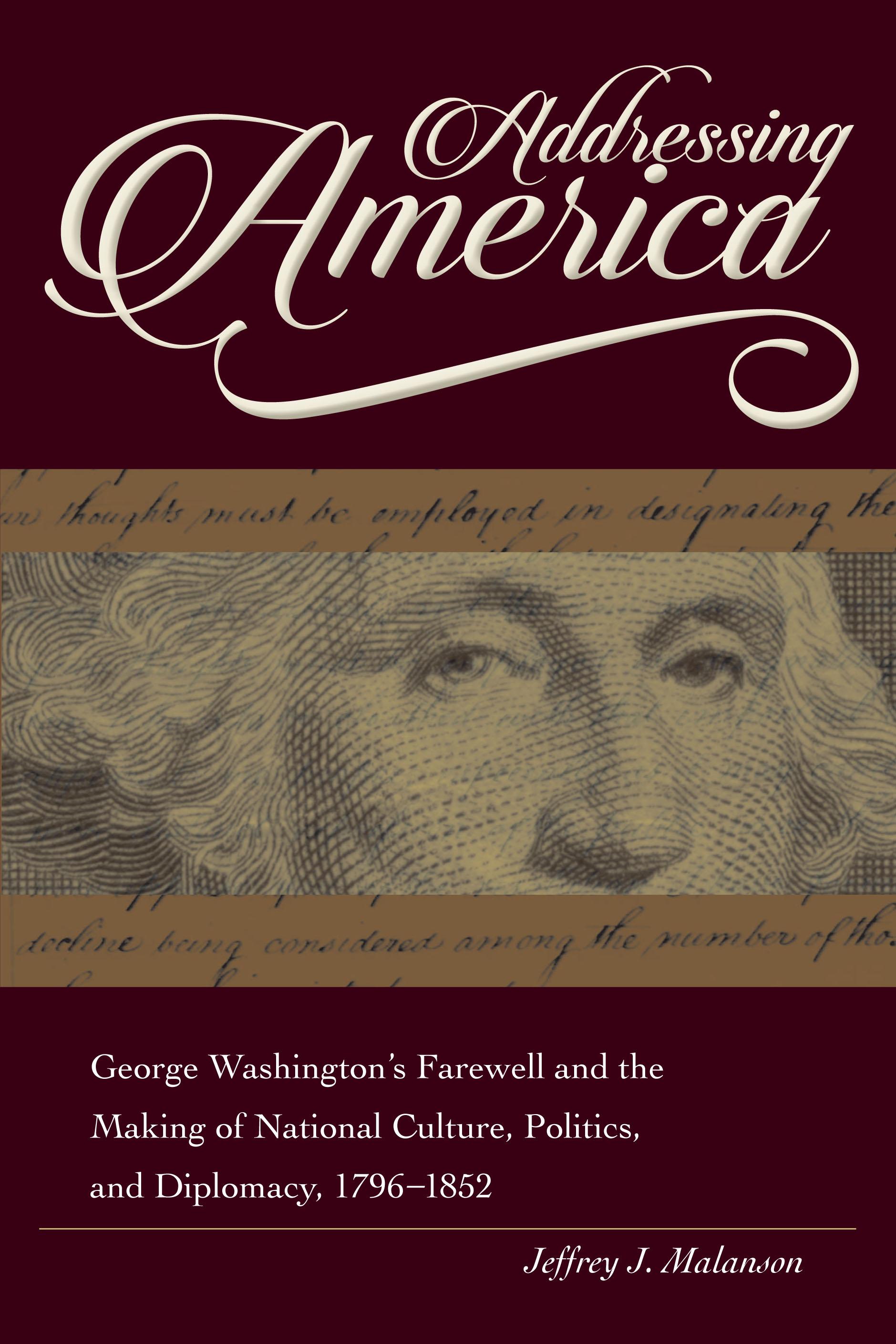
In his presidential Farewell Address of 1796, George Washington presented a series of maxims to guide the construction of a wise foreign policy. He believed, as did generations of his adherents, that if the United States stayed true to the principles he discussed, the country would eventually attain national greatness and international respectability. These principles quickly became engrained in the DNA of what it meant to be an American in the first half of the nineteenth century, shaping the formation of U.S. foreign policy, politics, and political culture. The Declaration of Independence affirmed American ideals, the Constitution established American government, and the Farewell Address enabled Americans to understand their country and its place in the world. While the Declaration and Constitution have persisted as foundational documents, our appreciation for the Farewell Address has faded with time.
By focusing on the enduring influence of the Farewell Address on nineteenth-century Americans, and on their abiding devotion to Washington, author Jeffrey Malanson brings the Address back into the spotlight for twenty-first-century readers. When citizens gathered in town halls, city commons, and local churches to commemorate Washington, engagement with the Farewell Address was a cornerstone of their celebrations. This annual rededication to Washington's principles made the Farewell Address both a framework for the attainment of national happiness and prosperity and a blueprint for national security, and it resulted in its position as the central text through which citizens of the early republic came to understand the connections between the nation's domestic and foreign ambitions.
Through its focus on the diplomatic, political, and cultural impacts of Washington's Farewell Address, Addressing America reasserts the fundamental importance of this critical document to the development of the United States in the first half of the nineteenth century.
Before Memmo my notes were scattered across PDFs. Now a workspace pulls everything into one place — I see exactly what's still left to study.
Memmo's summaries are gold before exams. I don't have to re-read 800 pages two weeks before — just the important parts.
The AI chat has saved me the night before an exam more than once. I just keep asking until I get it — no waiting on a study group to reply.
The quizzes hit exactly what I need to know. Memmo tracks what I get stuck on — so I only practice what's worth it.
Flashcards with spaced repetition are magic. Memmo knows when I'm about to forget something and brings it back.
The AI podcasts are my favorite. I listen on my way to school and get a recap without sitting at a computer.

Handbok i kvalitativa metoder
281 kr

Hållbar utveckling: en introduktion för ingenjörer och andra problemlösare
334 kr

Brymans Samhällsvetenskapliga metoder
390 kr

Projektledning
491 kr

Den orättvisa hälsan: om socioekonomiska skillnader i hälsa och livslängd
326 kr

Organizational Leadership
429 kr

Vetenskapsteori för nybörjare
196 kr

På väg mot läraryrket
172 kr

Det sociala livet i skolan: Socialpsykologiska perspektiv
253 kr

Betygsättningens didaktik
151 kr

Personality
402 kr

Studying Leadership
404 kr

Managing Innovation
477 kr

Introduktion till samhällsvetenskaplig metod
347 kr

The Psychology of Sex and Gender
698 kr

Evidens och kunskap för socialt arbete
207 kr

Introduction to Leadership
605 kr