
Before Memmo my notes were scattered across PDFs. Now a workspace pulls everything into one place — I see exactly what's still left to study.
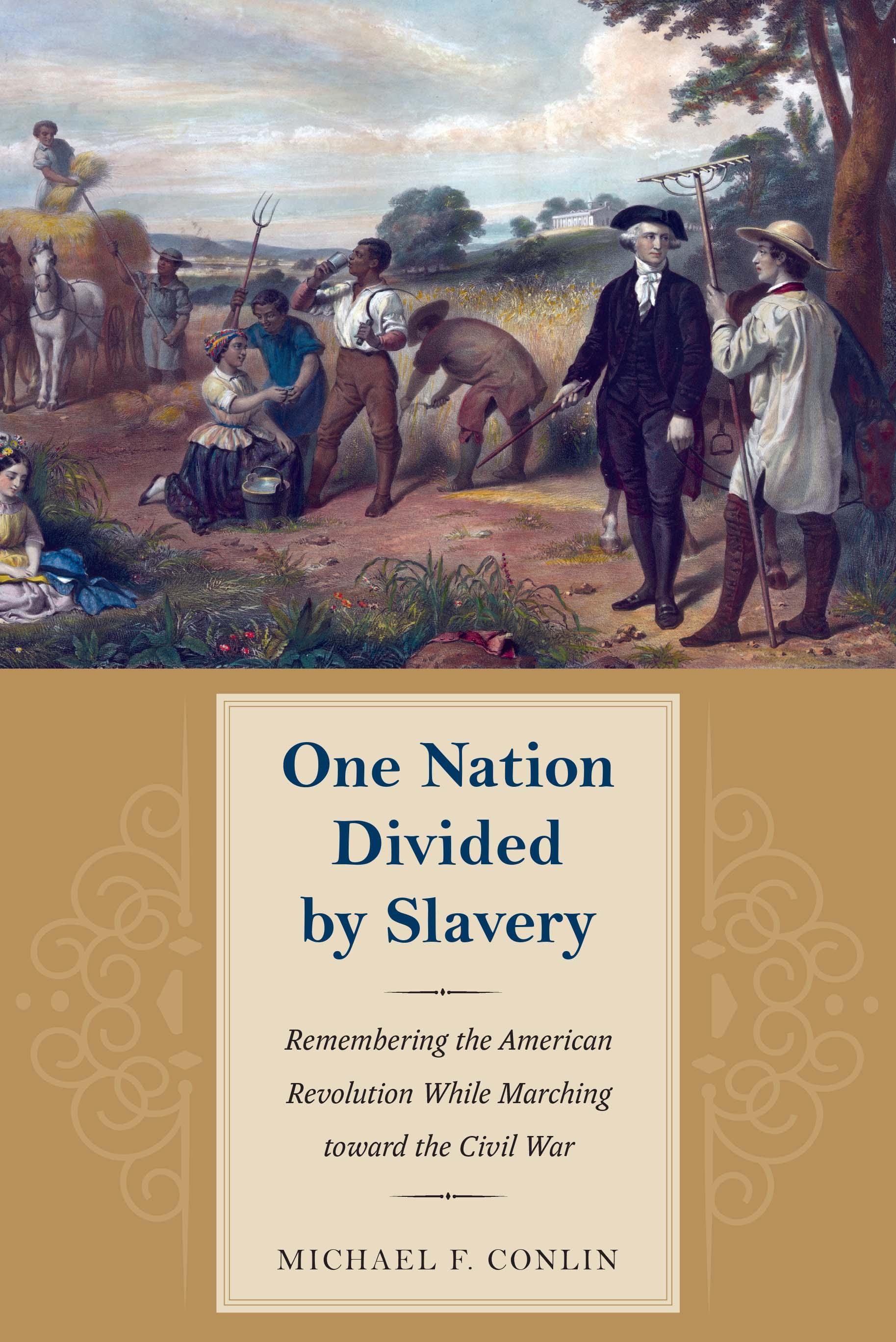
In the two decades before the Civil War, free Americans engaged in “history wars” every bit as ferocious as those waged today over the proposed National History Standards or the commemoration at the Smithsonian Institution of the atomic bombing of Hiroshima. In One Nation Divided by Slavery, author Michael F. Conlin investigates the different ways antebellum Americans celebrated civic holidays, read the Declaration of Independence, and commemorated Revolutionary War battles, revealing much about their contrasting views of American nationalism.
While antebellum Americans agreed on many elements of national identity—in particular that their republic was the special abode of liberty on earth—they disagreed on the role of slavery. The historic truths that many of the founders were slaveholders who had doubts about the morality of slavery, and that all thirteen original states practiced slavery to some extent in 1776, offered plenty of ambiguity for Americans to “remember” selectively. Fire-Eaters defended Jefferson, Washington, and other leading patriots as paternalistic slaveholders, if not “positive good” apologists for the institution, who founded a slaveholding republic. In contrast, abolitionists cited the same slaveholders as opponents of bondage, who took steps to end slavery and establish a free republic. Moderates in the North and the South took solace in the fact that the North had managed to end slavery in its own way through gradual emancipation while allowing the South to continue to practice slavery. They believed that the founders had established a nation that balanced free and slave labor.
Because the American Revolution and the American Civil War were pivotal and crucial elements in shaping the United States, the intertwined themes in One Nation Divided By Slavery provide a new lens through which to view American history and national identity.
Before Memmo my notes were scattered across PDFs. Now a workspace pulls everything into one place — I see exactly what's still left to study.
Memmo's summaries are gold before exams. I don't have to re-read 800 pages two weeks before — just the important parts.
The AI chat has saved me the night before an exam more than once. I just keep asking until I get it — no waiting on a study group to reply.
The quizzes hit exactly what I need to know. Memmo tracks what I get stuck on — so I only practice what's worth it.
Flashcards with spaced repetition are magic. Memmo knows when I'm about to forget something and brings it back.
The AI podcasts are my favorite. I listen on my way to school and get a recap without sitting at a computer.

Handbok i kvalitativa metoder
281 kr

Hållbar utveckling: en introduktion för ingenjörer och andra problemlösare
334 kr

Brymans Samhällsvetenskapliga metoder
390 kr

Projektledning
491 kr

Den orättvisa hälsan: om socioekonomiska skillnader i hälsa och livslängd
326 kr

Organizational Leadership
429 kr

Vetenskapsteori för nybörjare
196 kr

På väg mot läraryrket
172 kr

Det sociala livet i skolan: Socialpsykologiska perspektiv
253 kr

Betygsättningens didaktik
151 kr

Personality
402 kr

Studying Leadership
404 kr

Managing Innovation
477 kr

Introduktion till samhällsvetenskaplig metod
347 kr

The Psychology of Sex and Gender
698 kr

Evidens och kunskap för socialt arbete
207 kr

Introduction to Leadership
605 kr