
Before Memmo my notes were scattered across PDFs. Now a workspace pulls everything into one place — I see exactly what's still left to study.
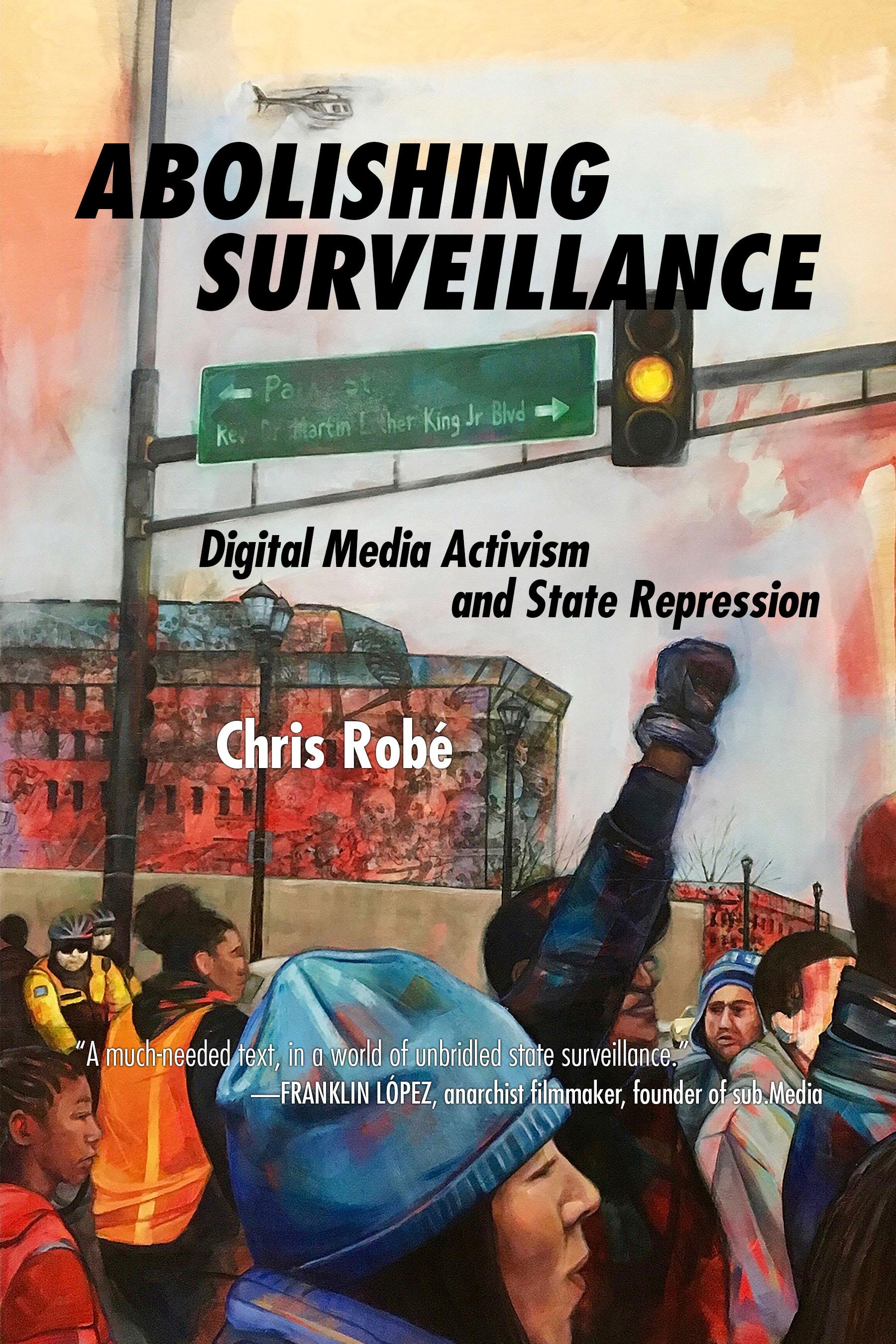
The Department of Justice sought information on all who visited the DisruptJ20.org website for Donald Trump's inauguration. Undercover agents infiltrate BlackLivesMatter protests. Police routinely command bystanders to stop filming them by falsely claiming it is a crime. Agricultural states like Iowa, Idaho, Utah, and Wyoming enact laws that criminalize the filming of factory farm cruelty while allowing other-the-human animal suffering to continue unabated. Dissent and poverty are increasingly criminalized by the state as precarity grows.
Abolishing Surveillance offers the first in-depth study of how various communities and activist organizations are resisting such efforts by integrating digital media activism into their actions against state surveillance and repression and for a better world. The book focuses on a wide array of movements within the United States such as Latinx copwatching groups in New York City, Muslim and Arab American communities in Minneapolis, undercover animal rights activists, and counter-summit protesters to explore the ways in which government surveillance and repression impacts them and, more importantly, their different but related online and offline tactics and strategies employed for self-determination and liberation. Digital media production becomes a core element in such organizing as cell phones and other forms of handheld technology become more ubiquitous. Yet such uses of technology can only be successfully employed when built upon strong grassroots organizing that has always been essential for social movements to take root. Neither idealizing nor disparaging the digital media activism explored within its pages, Abolishing Surveillance analyzes the successes and failures that accompany each case study. The book explores the historically shifting terrain since the 1980s to the present of how historically disenfranchised communities, activist organizations, and repressive state institutions battle over the uses of digital technology and media-making practices as civil liberties, community autonomy, and the very lives of people and other-than-human animals hang in the balance.
Before Memmo my notes were scattered across PDFs. Now a workspace pulls everything into one place — I see exactly what's still left to study.
Memmo's summaries are gold before exams. I don't have to re-read 800 pages two weeks before — just the important parts.
The AI chat has saved me the night before an exam more than once. I just keep asking until I get it — no waiting on a study group to reply.
The quizzes hit exactly what I need to know. Memmo tracks what I get stuck on — so I only practice what's worth it.
Flashcards with spaced repetition are magic. Memmo knows when I'm about to forget something and brings it back.
The AI podcasts are my favorite. I listen on my way to school and get a recap without sitting at a computer.

Handbok i kvalitativa metoder
281 kr

Hållbar utveckling: en introduktion för ingenjörer och andra problemlösare
334 kr

Brymans Samhällsvetenskapliga metoder
390 kr

Projektledning
491 kr

Den orättvisa hälsan: om socioekonomiska skillnader i hälsa och livslängd
326 kr

Organizational Leadership
429 kr

Vetenskapsteori för nybörjare
196 kr

På väg mot läraryrket
172 kr

Det sociala livet i skolan: Socialpsykologiska perspektiv
253 kr

Betygsättningens didaktik
151 kr

Personality
402 kr

Studying Leadership
404 kr

Managing Innovation
477 kr

Introduktion till samhällsvetenskaplig metod
347 kr

The Psychology of Sex and Gender
698 kr

Evidens och kunskap för socialt arbete
207 kr

Introduction to Leadership
605 kr