
Before Memmo my notes were scattered across PDFs. Now a workspace pulls everything into one place — I see exactly what's still left to study.
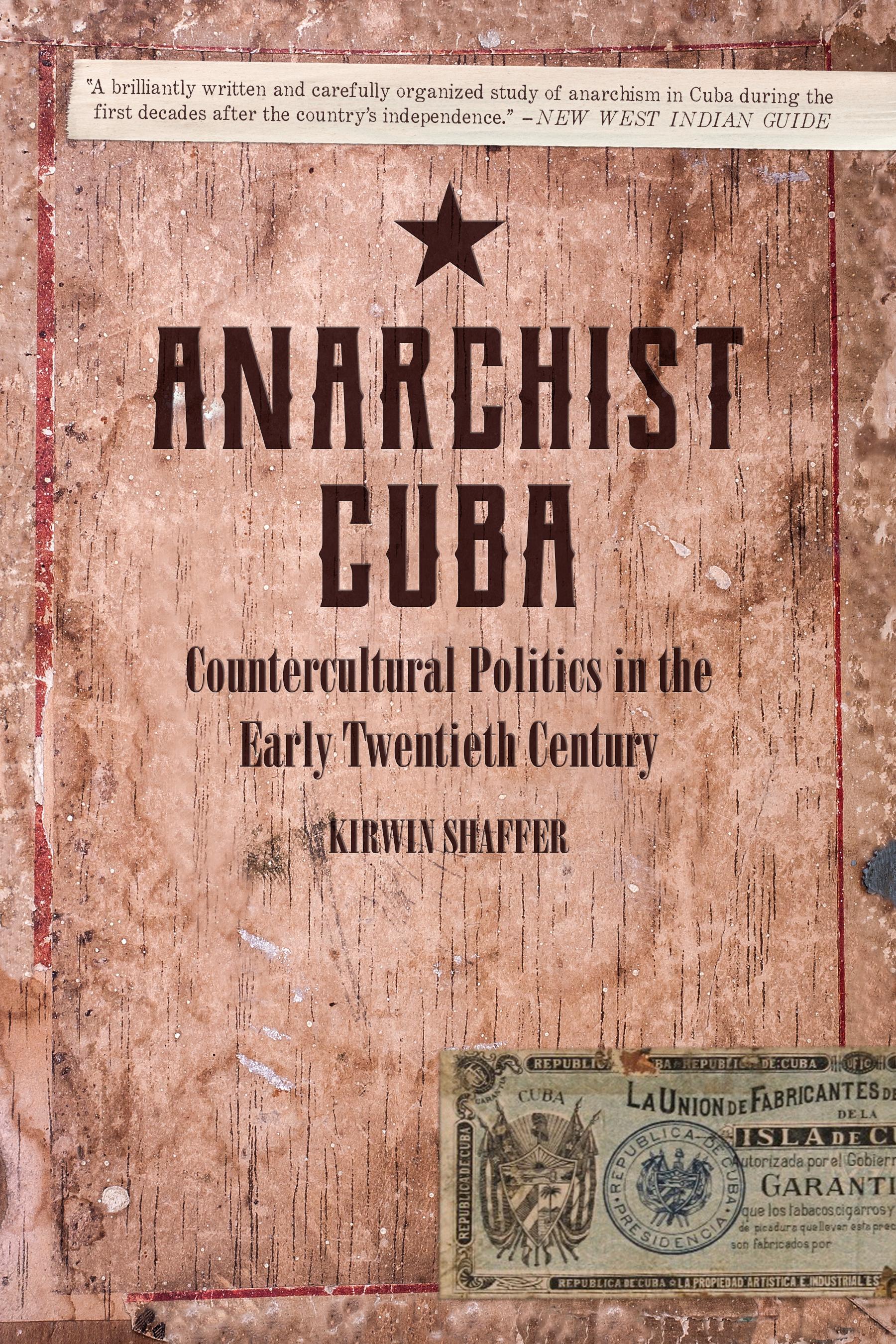
This is the first critical, in-depth study of the anarchist movement in Cuba in the three decades after the republic’s independence from Spain in 1898. Kirwin Shaffer shows that anarchists played a significant—until now little-known—role among Cuban leftists in shaping issues of health, education, immigration, the environment, and working-class internationalism. They also criticized the state of racial politics, cultural practices, and the conditions of children and women on the island.
In the chaotic new country, members of the anarchist movement reinterpreted the War for Independence and the revolutionary ideas of patriot José Martí, embarking on a nationwide debate with the larger Cuban establishment about what it meant to be “Cuban.” To counter the dominant culture, the anarchists created their own initiatives—schools, health institutes, vegetarian restaurants, theater and fiction writing groups, and occasional calls for nudism—and as a result they challenged both the existing elite and the occupying U.S. military forces.
Shaffer also focuses on what anarchists did to prepare the masses for a social revolution. While many of the Cuban anarchists' ideals flowed from Europe, their programs, criticisms, and literature reflected the specifics of Cuban reality and appealed to Cuba’s popular classes. Using theories of working-class internationalism, countercultures, popular culture, and social movements, Shaffer analyzes archival records, pamphlets, newspapers, and novels, showing how the anarchist movement in republican Cuba helped shape the country’s early leftist revolutionary agenda.
Shaffer’s portrait of the conflict between anarchists and their enemies illuminates the multiple forces that pervaded life on the island in the twentieth century, until the rise of the Gerardo Machado dictatorship in the 1920s. This important book places anarchism in its rightful historical role as a vital current within Cuban radical political culture.
Before Memmo my notes were scattered across PDFs. Now a workspace pulls everything into one place — I see exactly what's still left to study.
Memmo's summaries are gold before exams. I don't have to re-read 800 pages two weeks before — just the important parts.
The AI chat has saved me the night before an exam more than once. I just keep asking until I get it — no waiting on a study group to reply.
The quizzes hit exactly what I need to know. Memmo tracks what I get stuck on — so I only practice what's worth it.
Flashcards with spaced repetition are magic. Memmo knows when I'm about to forget something and brings it back.
The AI podcasts are my favorite. I listen on my way to school and get a recap without sitting at a computer.

Handbok i kvalitativa metoder
281 kr

Hållbar utveckling: en introduktion för ingenjörer och andra problemlösare
334 kr

Brymans Samhällsvetenskapliga metoder
390 kr

Projektledning
491 kr

Den orättvisa hälsan: om socioekonomiska skillnader i hälsa och livslängd
326 kr

Organizational Leadership
429 kr

Vetenskapsteori för nybörjare
196 kr

På väg mot läraryrket
172 kr

Det sociala livet i skolan: Socialpsykologiska perspektiv
253 kr

Betygsättningens didaktik
151 kr

Personality
402 kr

Studying Leadership
404 kr

Managing Innovation
477 kr

Introduktion till samhällsvetenskaplig metod
347 kr

The Psychology of Sex and Gender
698 kr

Evidens och kunskap för socialt arbete
207 kr

Introduction to Leadership
605 kr