
Before Memmo my notes were scattered across PDFs. Now a workspace pulls everything into one place — I see exactly what's still left to study.
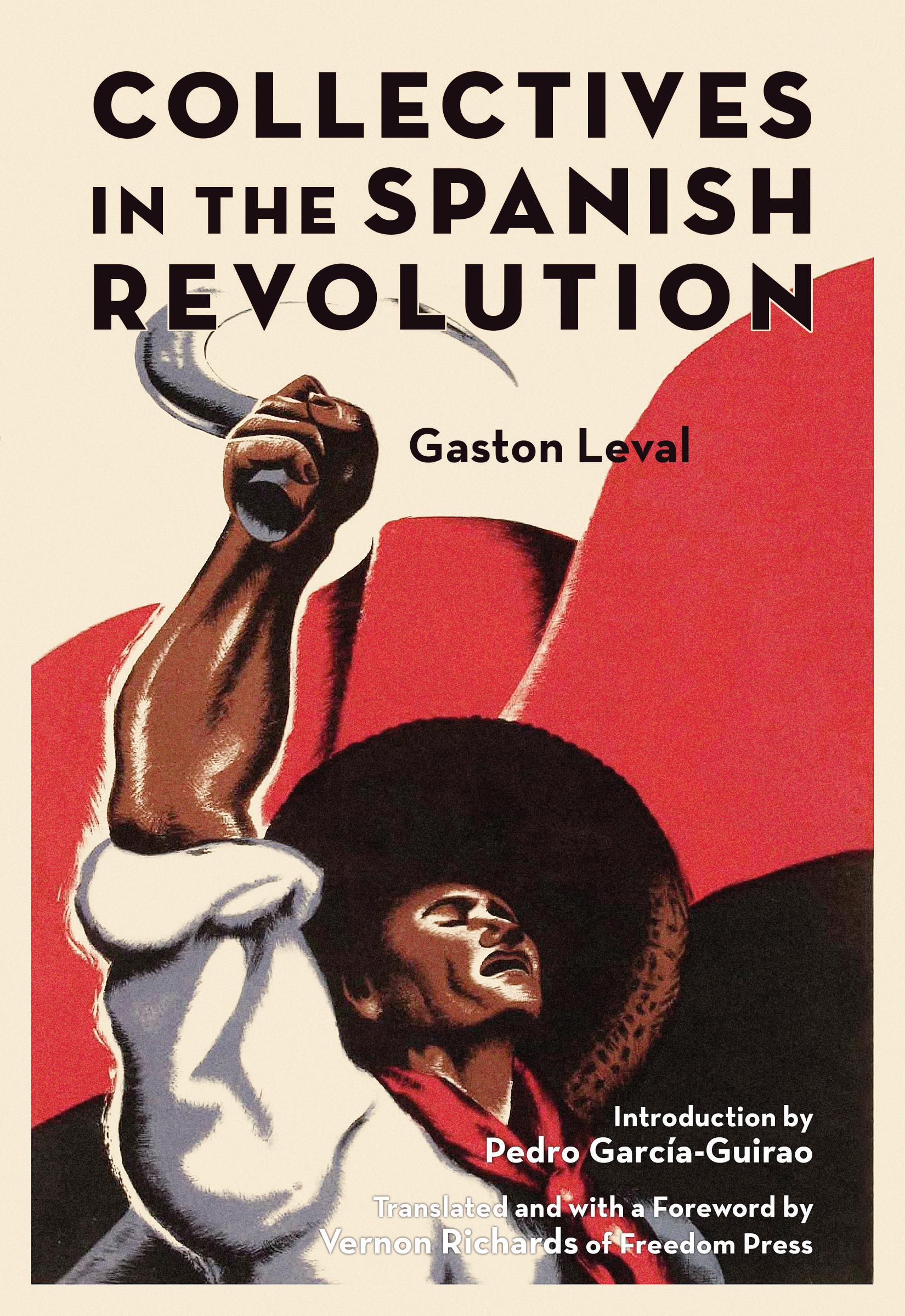
Revolutionary Spain came about with an explosion of social change so advanced and sweeping that it remains widely studied as one of the foremost experiments in worker self-management in history. At the heart of this vast foray into toppling entrenched forms of domination and centralised control was the flourishing of an array of worker-run collectives in industry, agriculture, public services, and beyond.
Collectives in the Spanish Revolution is a unique account of this transformative process—a work combining impeccable research and analysis with lucid reportage. Its author, Gaston Leval, was not only a participant in the Revolution and a dedicated anarcho-syndicalist but an especially knowledgeable eyewitness to the many industrial and agrarian collectives. In documenting the collectives’ organisation and how they improved working conditions and increased output, Leval also gave voice to the workers who made them, recording their stories and experiences. At the same time, Leval did not shy away from exploring some of the collectives’ failings, often ignored in other accounts of the period, opening space for readers today to critically draw lessons from the Spanish experience with self-managed collectives.
The book opens with an insightful examination of pre-revolutionary economic conditions in Spain that gave rise to the worker and peasant initiatives Leval documents and analyses in the bulk of his study. He begins by surveying agrarian collectives in Aragón, Levante, and Castile. Leval then guides the reader through an incredible variety of urban examples of self-organisation, from factories and workshops to medicine, social services, Barcelona’s tramway system, and beyond. He concludes with a brief but perceptive consideration of the broader political context in which workers carried out such a far-reaching revolution in social organisation—and a rumination on who and what was responsible for its defeat.
This classic translation of the French original by Vernon Richards is presented in this edition for the first time with an index. A new introduction by Pedro García-Guirao and a preface by Stuart Christie offer a précis of Leval’s life and methods, placing his landmark study in the context of more recent writing on the Spanish collectives—eloquently positing that Leval’s account of collectivism and his assessments of their achievements and failings still have a great deal to teach us today.
Before Memmo my notes were scattered across PDFs. Now a workspace pulls everything into one place — I see exactly what's still left to study.
Memmo's summaries are gold before exams. I don't have to re-read 800 pages two weeks before — just the important parts.
The AI chat has saved me the night before an exam more than once. I just keep asking until I get it — no waiting on a study group to reply.
The quizzes hit exactly what I need to know. Memmo tracks what I get stuck on — so I only practice what's worth it.
Flashcards with spaced repetition are magic. Memmo knows when I'm about to forget something and brings it back.
The AI podcasts are my favorite. I listen on my way to school and get a recap without sitting at a computer.

Handbok i kvalitativa metoder
281 kr

Hållbar utveckling: en introduktion för ingenjörer och andra problemlösare
334 kr

Brymans Samhällsvetenskapliga metoder
390 kr

Projektledning
491 kr

Den orättvisa hälsan: om socioekonomiska skillnader i hälsa och livslängd
326 kr

Vetenskapsteori för nybörjare
196 kr

Organizational Leadership
429 kr

På väg mot läraryrket
172 kr

Det sociala livet i skolan: Socialpsykologiska perspektiv
253 kr

Betygsättningens didaktik
151 kr

Personality
402 kr

Studying Leadership
404 kr

Managing Innovation
477 kr

Introduktion till samhällsvetenskaplig metod
347 kr

The Psychology of Sex and Gender
698 kr

Evidens och kunskap för socialt arbete
207 kr

Introduction to Leadership
605 kr