
Before Memmo my notes were scattered across PDFs. Now a workspace pulls everything into one place — I see exactly what's still left to study.
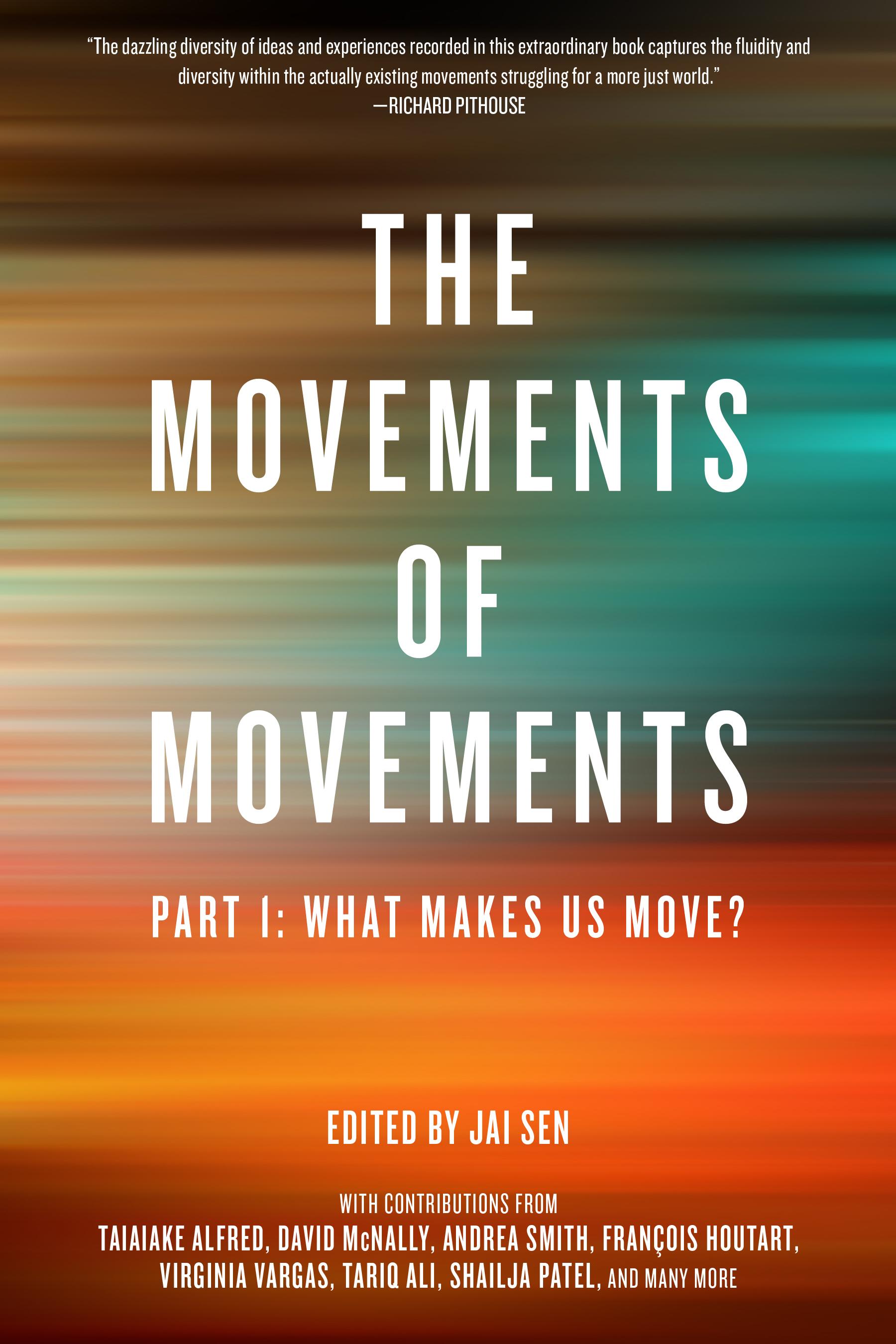
Our world today is not only a world in crisis but also a world in profound movement, with increasingly large numbers of people joining or forming movements: local, national, transnational, and global. The dazzling diversity of ideas and experiences recorded in this collection capture something of the fluidity within campaigns for a more equitable planet. This book, taking internationalism seriously without tired dogmas, provides a bracing window into some of the central ideas to have emerged from within grassroots struggles from 2006 to 2010. The essays here cross borders to look at the politics of caste, class, gender, religion, and indigeneity, and move from the local to the global.
What Makes Us Move?, the first of two volumes, provides a background and foundation for understanding the extraordinary range of uprisings around the world: Tahrir Square in Egypt, Occupy in North America, the indignados in Spain, Gezi Park in Turkey, and many others. It draws on the rich reflection that took place following the huge wave of creative direct actions that had preceded it, from the 1990s through to the early 2000s, including the Zapatistas in Mexico, the Battle of Seattle in the United States, and the accompanying formations such as Peoples’ Global Action and the World Social Forum.
Edited by Jai Sen, who has long occupied a central position in an international network of intellectuals and activists, this book will be useful to all who work for egalitarian social change—be they in universities, parties, trade unions, social movements, or religious organisations.
Contributors include Taiaiake Alfred, Tariq Ali, Daniel Bensaid, Hee-Yeon Cho, Ashok Choudhary, Lee Cormie, Jeff Corntassel, Laurence Cox, Guillermo Delgado-P, Andre Drainville, David Featherstone, Christopher Gunderson, Emilie Hayes, Francois Houtart, Fouad Kalouche, Alex Khasnabish, Xochitl Leyva Solano, Roma Malik, David McNally, Roel Meijer, Eric Mielants, Peter North, Shailja Patel, Emir Sader, Andrea Smith, Anand Teltumbde, James Toth, Virginia Vargas, and Peter Waterman.
Before Memmo my notes were scattered across PDFs. Now a workspace pulls everything into one place — I see exactly what's still left to study.
Memmo's summaries are gold before exams. I don't have to re-read 800 pages two weeks before — just the important parts.
The AI chat has saved me the night before an exam more than once. I just keep asking until I get it — no waiting on a study group to reply.
The quizzes hit exactly what I need to know. Memmo tracks what I get stuck on — so I only practice what's worth it.
Flashcards with spaced repetition are magic. Memmo knows when I'm about to forget something and brings it back.
The AI podcasts are my favorite. I listen on my way to school and get a recap without sitting at a computer.

Handbok i kvalitativa metoder
281 kr

Hållbar utveckling: en introduktion för ingenjörer och andra problemlösare
334 kr

Brymans Samhällsvetenskapliga metoder
390 kr

Projektledning
491 kr

Den orättvisa hälsan: om socioekonomiska skillnader i hälsa och livslängd
326 kr

Vetenskapsteori för nybörjare
196 kr

Organizational Leadership
429 kr

På väg mot läraryrket
172 kr

Det sociala livet i skolan: Socialpsykologiska perspektiv
253 kr

Betygsättningens didaktik
151 kr

Personality
402 kr

Studying Leadership
404 kr

Managing Innovation
477 kr

Introduktion till samhällsvetenskaplig metod
347 kr

The Psychology of Sex and Gender
698 kr

Evidens och kunskap för socialt arbete
207 kr

Introduction to Leadership
605 kr