
Before Memmo my notes were scattered across PDFs. Now a workspace pulls everything into one place — I see exactly what's still left to study.
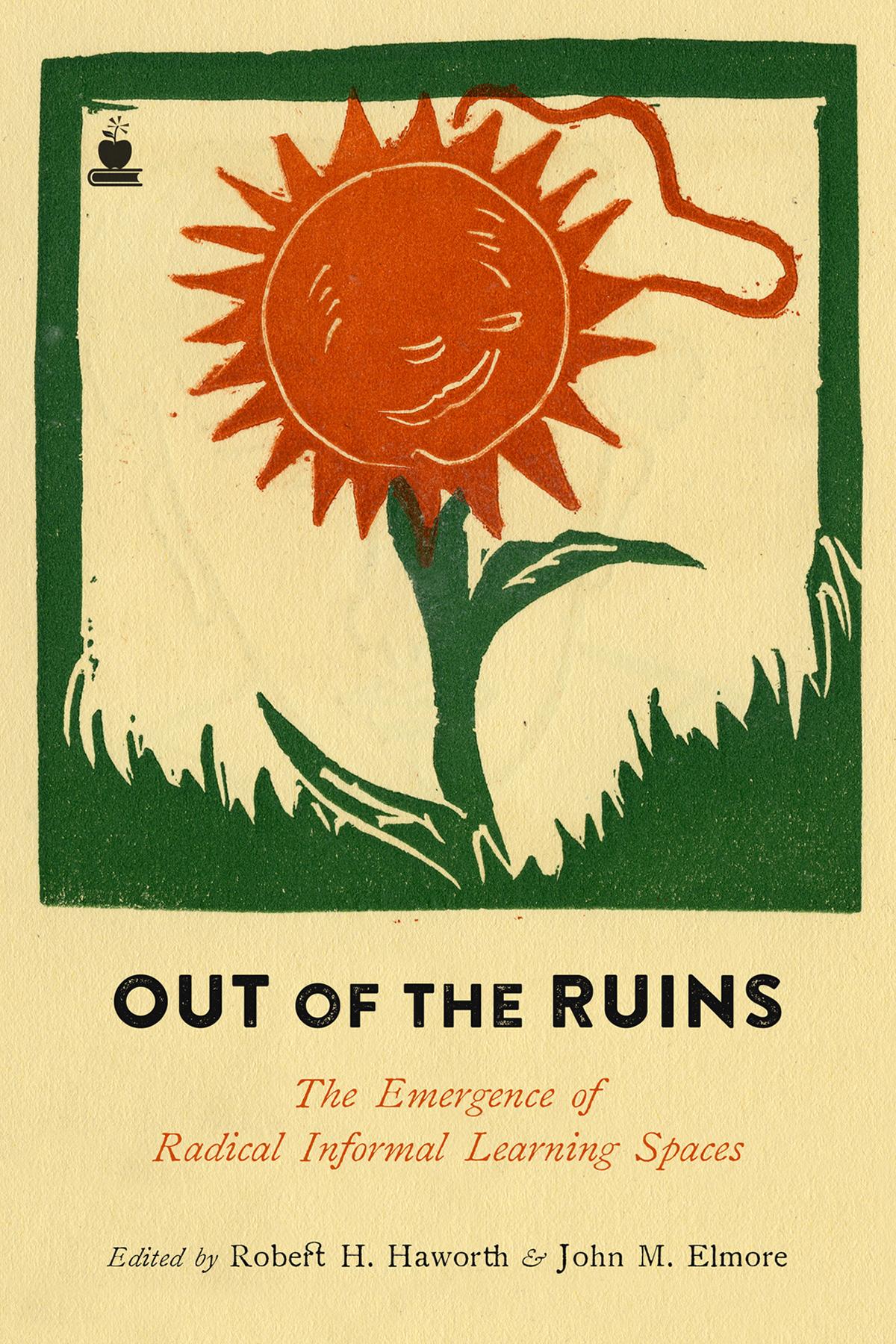
Contemporary educational practices and policies across the world are heeding the calls of Wall Street for more corporate control, privatization, and standardized accountability. There are definite shifts and movements towards more capitalist interventions of efficiency and an adherence to market fundamentalist values within the sphere of public education. In many cases, educational policies are created to uphold and serve particular social, political, and economic ends. Schools, in a sense, have been tools to reproduce hierarchical, authoritarian, and hyper-individualistic models of social order. From the industrial era to our recent expansion of the knowledge economy, education has been at the forefront of manufacturing and exploiting particular populations within our society.
The important news is that emancipatory educational practices are emerging. Many are emanating outside the constraints of our dominant institutions and are influenced by more participatory and collective actions. In many cases, these alternatives have been undervalued or even excluded within the educational research. From an international perspective, some of these radical informal learning spaces are seen as a threat by many failed states and corporate entities.
Out of the Ruins sets out to explore and discuss the emergence of alternative learning spaces that directly challenge the pairing of public education with particular dominant capitalist and statist structures. The authors construct philosophical, political, economic and social arguments that focus on radical informal learning as a way to contest efforts to commodify and privatize our everyday educational experiences. The major themes include the politics of learning in our formal settings, constructing new theories on our informal practices, collective examples of how radical informal learning practices and experiences operate, and how individuals and collectives struggle to share these narratives within and outside of institutions.
Contributors include David Gabbard, Rhiannon Firth, Andrew Robinson, Farhang Rouhani, Petar Jandrić, Ana Kuzmanić, Sarah Amsler, Dana Williams, Andre Pusey, Jeff Shantz, Sandra Jeppesen, Joanna Adamiak, Erin Dyke, Eli Meyerhoff, David I. Backer, Matthew Bissen, Jacques Laroche, Aleksandra Perisic, and Jason Wozniak.
Before Memmo my notes were scattered across PDFs. Now a workspace pulls everything into one place — I see exactly what's still left to study.
Memmo's summaries are gold before exams. I don't have to re-read 800 pages two weeks before — just the important parts.
The AI chat has saved me the night before an exam more than once. I just keep asking until I get it — no waiting on a study group to reply.
The quizzes hit exactly what I need to know. Memmo tracks what I get stuck on — so I only practice what's worth it.
Flashcards with spaced repetition are magic. Memmo knows when I'm about to forget something and brings it back.
The AI podcasts are my favorite. I listen on my way to school and get a recap without sitting at a computer.

Handbok i kvalitativa metoder
281 kr

Hållbar utveckling: en introduktion för ingenjörer och andra problemlösare
334 kr

Brymans Samhällsvetenskapliga metoder
390 kr

Projektledning
491 kr

Den orättvisa hälsan: om socioekonomiska skillnader i hälsa och livslängd
326 kr

Vetenskapsteori för nybörjare
196 kr

Organizational Leadership
429 kr

På väg mot läraryrket
172 kr

Det sociala livet i skolan: Socialpsykologiska perspektiv
253 kr

Betygsättningens didaktik
151 kr

Personality
402 kr

Studying Leadership
404 kr

Managing Innovation
477 kr

Introduktion till samhällsvetenskaplig metod
347 kr

The Psychology of Sex and Gender
698 kr

Evidens och kunskap för socialt arbete
207 kr

Introduction to Leadership
605 kr