
Before Memmo my notes were scattered across PDFs. Now a workspace pulls everything into one place — I see exactly what's still left to study.
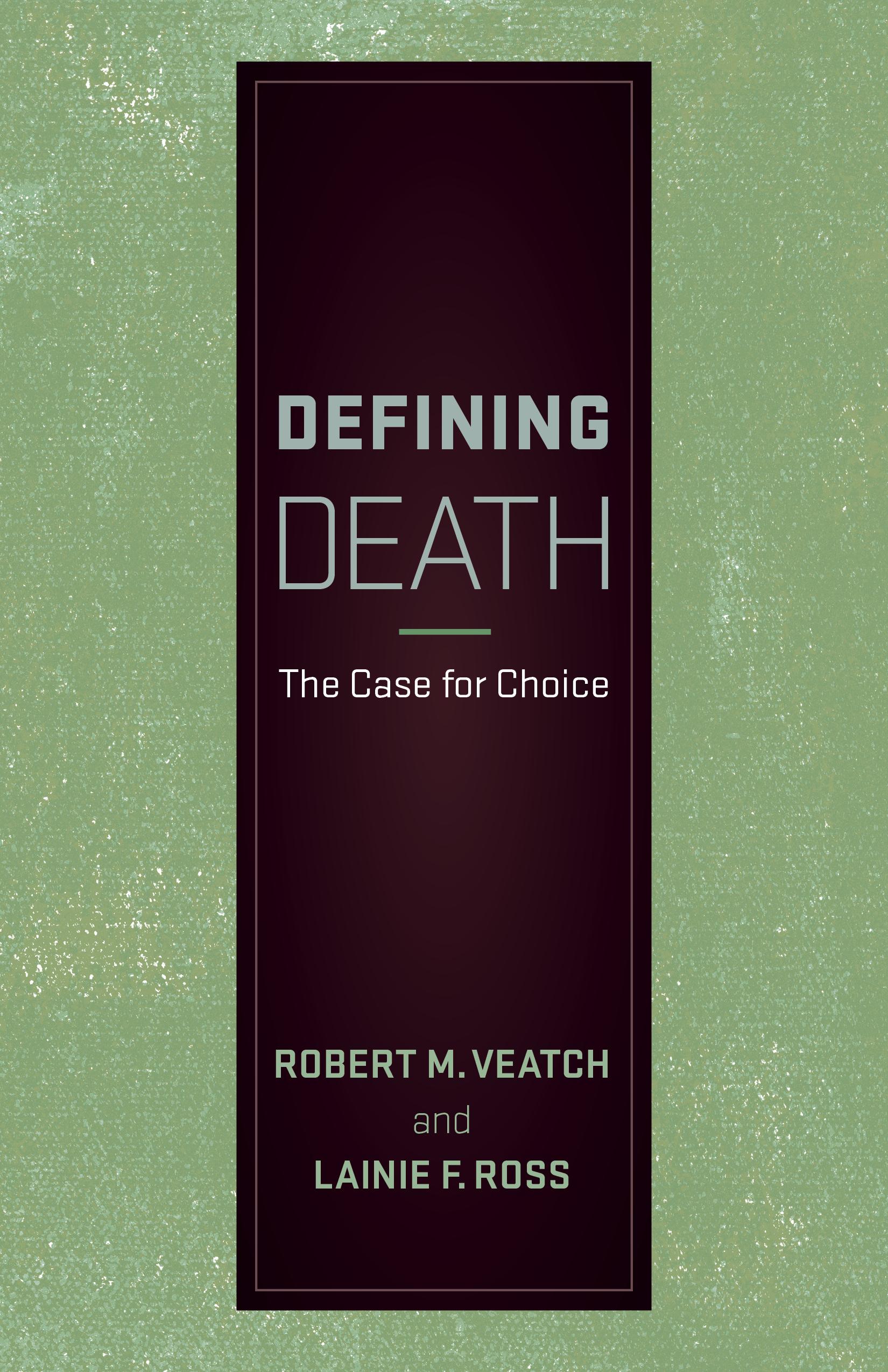
New technologies and medical treatments have complicated questions such as how to determine the moment when someone has died. The result is a failure to establish consensus on the definition of death and the criteria by which the moment of death is determined. This creates confusion and disagreement not only among medical, legal, and insurance professionals but also within families faced with difficult decisions concerning their loved ones.
Distinguished bioethicists Robert M. Veatch and Lainie F. Ross argue that the definition of death is not a scientific question but a social one rooted in religious, philosophical, and social beliefs. Drawing on history and recent court cases, the authors detail three potential definitions of death — the whole-brain concept; the circulatory, or somatic, concept; and the higher-brain concept. Because no one definition of death commands majority support, it creates a major public policy problem. The authors cede that society needs a default definition to proceed in certain cases, like those involving organ transplantation. But they also argue the decision-making process must give individuals the space to choose among plausible definitions of death according to personal beliefs.
Taken in part from the authors' latest edition of their groundbreaking work on transplantation ethics, Defining Death is an indispensable guide for professionals in medicine, law, insurance, public policy, theology, and philosophy as well as lay people trying to decide when they want to be treated as dead.
Before Memmo my notes were scattered across PDFs. Now a workspace pulls everything into one place — I see exactly what's still left to study.
Memmo's summaries are gold before exams. I don't have to re-read 800 pages two weeks before — just the important parts.
The AI chat has saved me the night before an exam more than once. I just keep asking until I get it — no waiting on a study group to reply.
The quizzes hit exactly what I need to know. Memmo tracks what I get stuck on — so I only practice what's worth it.
Flashcards with spaced repetition are magic. Memmo knows when I'm about to forget something and brings it back.
The AI podcasts are my favorite. I listen on my way to school and get a recap without sitting at a computer.

Handbok i kvalitativa metoder
281 kr

Hållbar utveckling: en introduktion för ingenjörer och andra problemlösare
334 kr

Brymans Samhällsvetenskapliga metoder
390 kr

Projektledning
491 kr

Den orättvisa hälsan: om socioekonomiska skillnader i hälsa och livslängd
326 kr

Organizational Leadership
429 kr

Vetenskapsteori för nybörjare
196 kr

På väg mot läraryrket
172 kr

Det sociala livet i skolan: Socialpsykologiska perspektiv
253 kr

Betygsättningens didaktik
151 kr

Personality
402 kr

Studying Leadership
404 kr

Managing Innovation
477 kr

Introduktion till samhällsvetenskaplig metod
347 kr

The Psychology of Sex and Gender
698 kr

Evidens och kunskap för socialt arbete
207 kr

Introduction to Leadership
605 kr