
Before Memmo my notes were scattered across PDFs. Now a workspace pulls everything into one place — I see exactly what's still left to study.
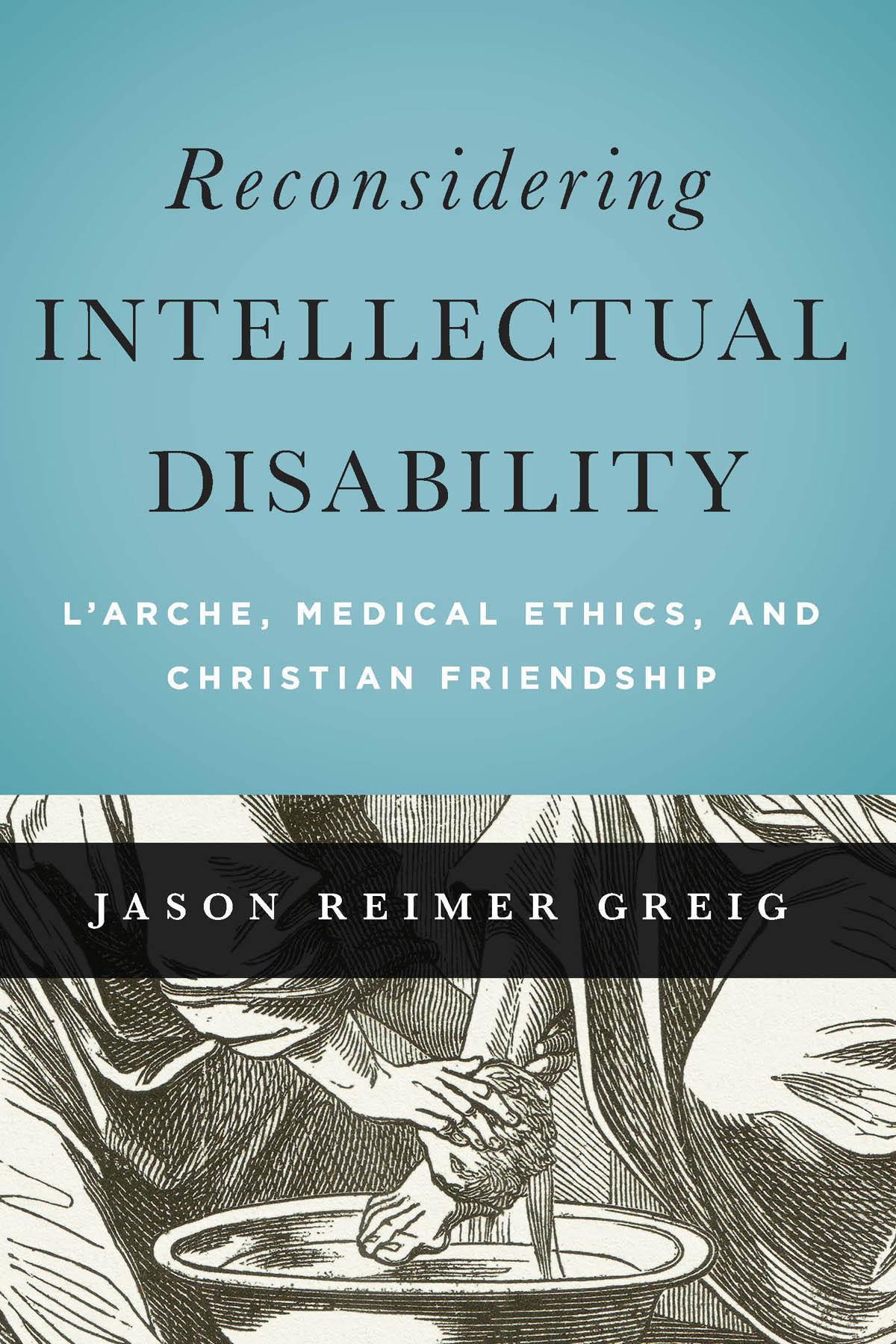
Drawing on the controversial case of “Ashley X,” a girl with severe developmental disabilities who received interventionist medical treatment to limit her growth and keep her body forever small—a procedure now known as the “Ashley Treatment”—Reconsidering Intellectual Disability explores important questions at the intersection of disability theory, Christian moral theology, and bioethics.
What are the biomedical boundaries of acceptable treatment for those not able to give informed consent? Who gets to decide when a patient cannot communicate their desires and needs? Should we accept the dominance of a form of medicine that identifies those with intellectual impairments as pathological objects in need of the normalizing bodily manipulations of technological medicine?
In a critical exploration of contemporary disability theory, Jason Reimer Greig contends that L'Arche, a federation of faith communities made up of people with and without intellectual disabilities, provides an alternative response to the predominant bioethical worldview that sees disability as a problem to be solved. Reconsidering Intellectual Disability shows how a focus on Christian theological tradition’s moral thinking and practice of friendship with God offers a way to free not only people with intellectual disabilities but all people from the objectifying gaze of modern medicine. L'Arche draws inspiration from Jesus's solidarity with the "least of these" and a commitment to Christian friendship that sees people with profound cognitive disabilities not as anomalous objects of pity but as fellow friends of God. This vital act of social recognition opens the way to understanding the disabled not as objects to be fixed but as teachers whose lives can transform others and open a new way of being human.
Before Memmo my notes were scattered across PDFs. Now a workspace pulls everything into one place — I see exactly what's still left to study.
Memmo's summaries are gold before exams. I don't have to re-read 800 pages two weeks before — just the important parts.
The AI chat has saved me the night before an exam more than once. I just keep asking until I get it — no waiting on a study group to reply.
The quizzes hit exactly what I need to know. Memmo tracks what I get stuck on — so I only practice what's worth it.
Flashcards with spaced repetition are magic. Memmo knows when I'm about to forget something and brings it back.
The AI podcasts are my favorite. I listen on my way to school and get a recap without sitting at a computer.

Handbok i kvalitativa metoder
281 kr

Hållbar utveckling: en introduktion för ingenjörer och andra problemlösare
334 kr

Brymans Samhällsvetenskapliga metoder
390 kr

Projektledning
491 kr

Den orättvisa hälsan: om socioekonomiska skillnader i hälsa och livslängd
326 kr

Organizational Leadership
429 kr

Vetenskapsteori för nybörjare
196 kr

På väg mot läraryrket
172 kr

Det sociala livet i skolan: Socialpsykologiska perspektiv
253 kr

Betygsättningens didaktik
151 kr

Personality
402 kr

Studying Leadership
404 kr

Managing Innovation
477 kr

Introduktion till samhällsvetenskaplig metod
347 kr

The Psychology of Sex and Gender
698 kr

Evidens och kunskap för socialt arbete
207 kr

Introduction to Leadership
605 kr