
Before Memmo my notes were scattered across PDFs. Now a workspace pulls everything into one place — I see exactly what's still left to study.
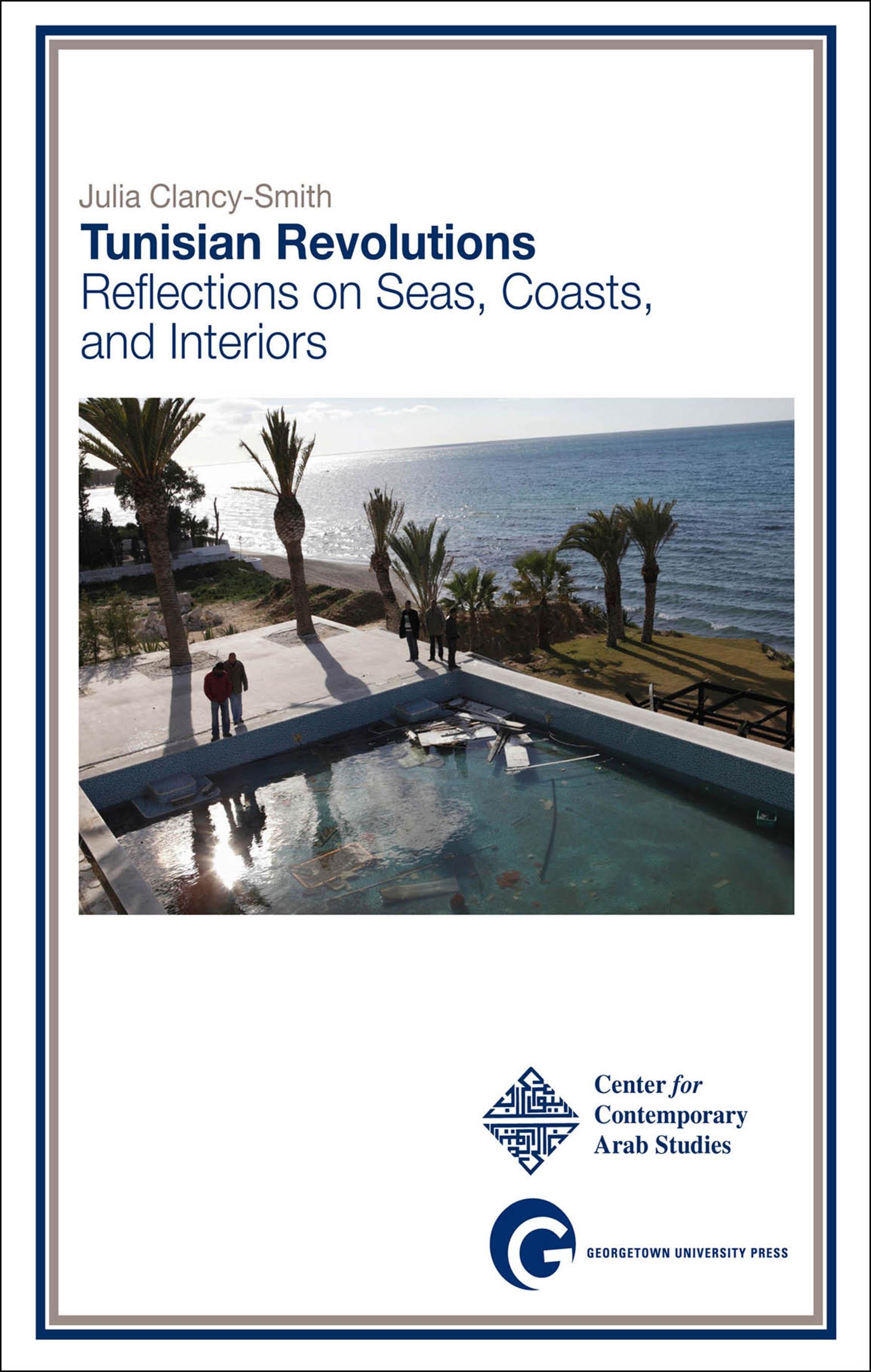
In December 2010 an out-of-work Tunisian street vendor, Mohamed Bouazizi, set himself on fire and precipitated the Arab Spring. Popular interpretations of Bouazizi's self-immolation presented economic and political oppression by the Ben Ali regimes as the root causes of widespread social despair that triggered the Tunisian revolution. Yet as Julia Clancy-Smith points out, Tunisia's long history of organized political activism and protest movements suggests a far more complicated set of processes. Proposing a conceptual framework of "coastalization" vs. "interiorization," Clancy-Smith examines Tunisia's last two centuries and demonstrates how geographical and environmental and social factors also lie behind that country's modern political history. Within this framework Clancy-Smith explores how Tunisia's coast became a Mediterranean playground for transnational elites, a mecca of tourism, while its interior agrarian regions suffered increasing neglect and marginalization. This distinction has had a profound impact on the fate of Tunisia and has manifested itself in divisive debates over politics, the state, and religion as well as women’s socio-legal status that have led to a series of mass civic actions culminating in revolution. Clancy-Smith proposes a fresh historical lens through which to view the relationship between spacial displacements, regionalization, and transnationalism.
Georgetown Shorts—longer than an article, shorter than a book—deliver timely works of peer-reviewed scholarship in a fast-paced, agile environment. They present new ideas and original texts that are easily and widely available to students, scholars, libraries, and general readers.
Before Memmo my notes were scattered across PDFs. Now a workspace pulls everything into one place — I see exactly what's still left to study.
Memmo's summaries are gold before exams. I don't have to re-read 800 pages two weeks before — just the important parts.
The AI chat has saved me the night before an exam more than once. I just keep asking until I get it — no waiting on a study group to reply.
The quizzes hit exactly what I need to know. Memmo tracks what I get stuck on — so I only practice what's worth it.
Flashcards with spaced repetition are magic. Memmo knows when I'm about to forget something and brings it back.
The AI podcasts are my favorite. I listen on my way to school and get a recap without sitting at a computer.

Handbok i kvalitativa metoder
281 kr

Hållbar utveckling: en introduktion för ingenjörer och andra problemlösare
334 kr

Brymans Samhällsvetenskapliga metoder
390 kr

Projektledning
491 kr

Den orättvisa hälsan: om socioekonomiska skillnader i hälsa och livslängd
326 kr

Organizational Leadership
429 kr

Vetenskapsteori för nybörjare
196 kr

På väg mot läraryrket
172 kr

Det sociala livet i skolan: Socialpsykologiska perspektiv
253 kr

Betygsättningens didaktik
151 kr

Personality
402 kr

Studying Leadership
404 kr

Managing Innovation
477 kr

Introduktion till samhällsvetenskaplig metod
347 kr

The Psychology of Sex and Gender
698 kr

Evidens och kunskap för socialt arbete
207 kr

Introduction to Leadership
605 kr