
Before Memmo my notes were scattered across PDFs. Now a workspace pulls everything into one place — I see exactly what's still left to study.
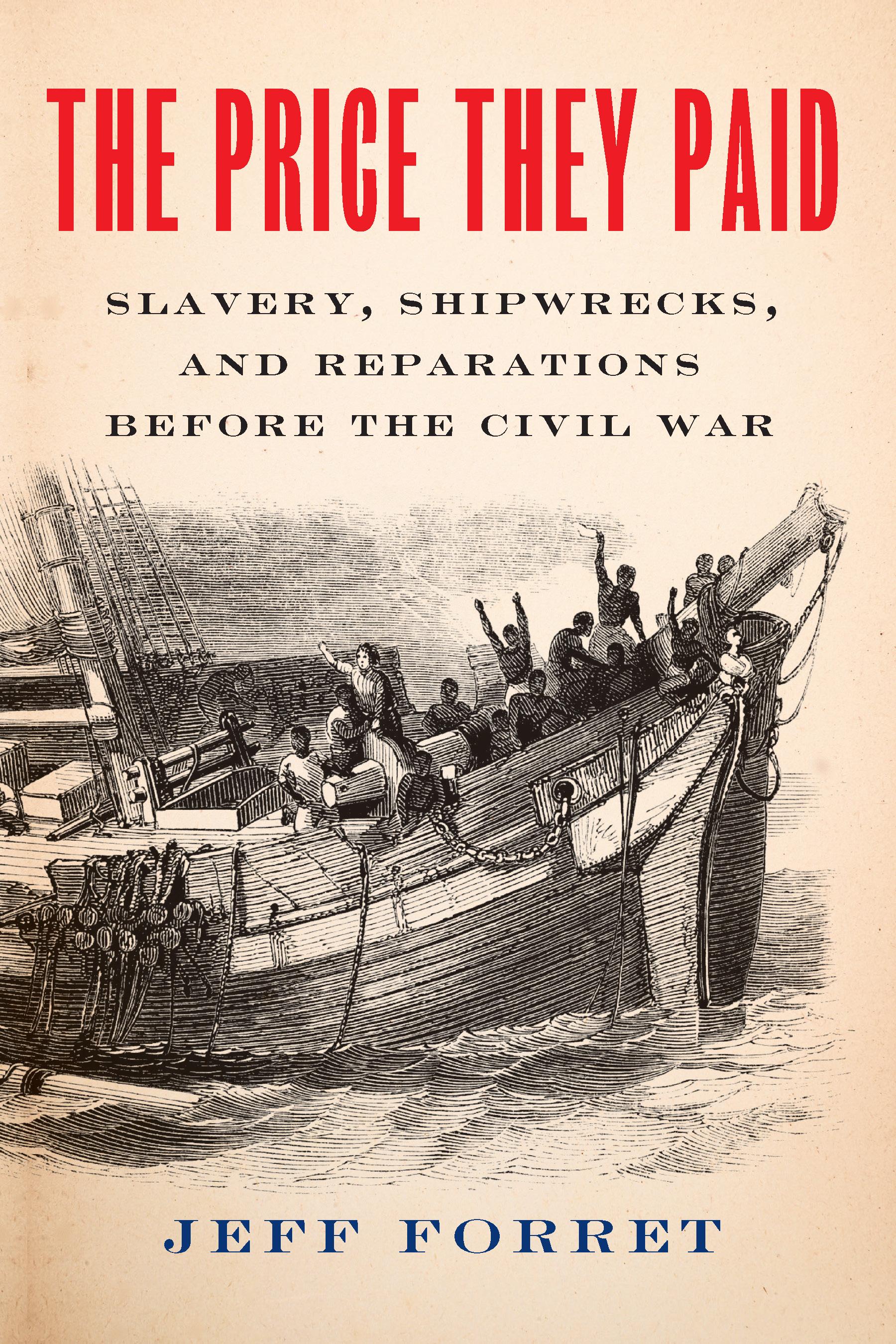
A prizewinning historian uncovers one of the earliest instances of reparations in America—ironically, though perhaps not surprisingly, paid to slaveholders, not former slaves
“A spectacular achievement of historical research. Forret shows for the first time just how far the American government went to secure reparations.”
—Robert Elder‚ author of Calhoun: American Heretic
Winner of the Carr P. Collins Award for Best Book of Nonfiction
Winner, John Lyman Book Award in North American Maritime History
In 1831, the American ship Comet, carrying 165 enslaved men, women, and children, crashed onto a coral reef near the shore of the Bahamas, then part of the British Empire. Shortly afterward, the Vice Admiralty Court in Nassau, over the outraged objections of the ship’s owners, set the rescued captives free. American slave owners and the companies who insured the liberated human cargo would spend years lobbying for reparations from Great Britain, not for the emancipated slaves, of course, but for the masters deprived of their human property.
In a work of profoundly relevant research and storytelling, historian and Frederick Douglass Prize–winner Jeff Forret uncovers how the Comet incident—as well as similar episodes that unfolded over the next decade—resulted in the British Crown making reparations payments to a U.S. government that strenuously represented slaveholder interests. Through a story that has never been fully explored, The Price They Paid shows how, unlike their former owners and insurers, neither the survivors of the Comet and other vessels, nor their descendants, have ever received reparations for the price they paid in their lives, labor, and suffering during slavery.
Any accounting of reparations today requires a fuller understanding of how the debts of slavery have been paid, and to whom. The Price They Paid represents a major step forward in that effort.
Before Memmo my notes were scattered across PDFs. Now a workspace pulls everything into one place — I see exactly what's still left to study.
Memmo's summaries are gold before exams. I don't have to re-read 800 pages two weeks before — just the important parts.
The AI chat has saved me the night before an exam more than once. I just keep asking until I get it — no waiting on a study group to reply.
The quizzes hit exactly what I need to know. Memmo tracks what I get stuck on — so I only practice what's worth it.
Flashcards with spaced repetition are magic. Memmo knows when I'm about to forget something and brings it back.
The AI podcasts are my favorite. I listen on my way to school and get a recap without sitting at a computer.

Handbok i kvalitativa metoder
281 kr

Hållbar utveckling: en introduktion för ingenjörer och andra problemlösare
334 kr

Brymans Samhällsvetenskapliga metoder
390 kr

Projektledning
491 kr

Den orättvisa hälsan: om socioekonomiska skillnader i hälsa och livslängd
326 kr

Organizational Leadership
429 kr

Vetenskapsteori för nybörjare
196 kr

På väg mot läraryrket
172 kr

Det sociala livet i skolan: Socialpsykologiska perspektiv
253 kr

Betygsättningens didaktik
151 kr

Personality
402 kr

Studying Leadership
404 kr

Managing Innovation
477 kr

Introduktion till samhällsvetenskaplig metod
347 kr

The Psychology of Sex and Gender
698 kr

Evidens och kunskap för socialt arbete
207 kr

Introduction to Leadership
605 kr