
Before Memmo my notes were scattered across PDFs. Now a workspace pulls everything into one place — I see exactly what's still left to study.
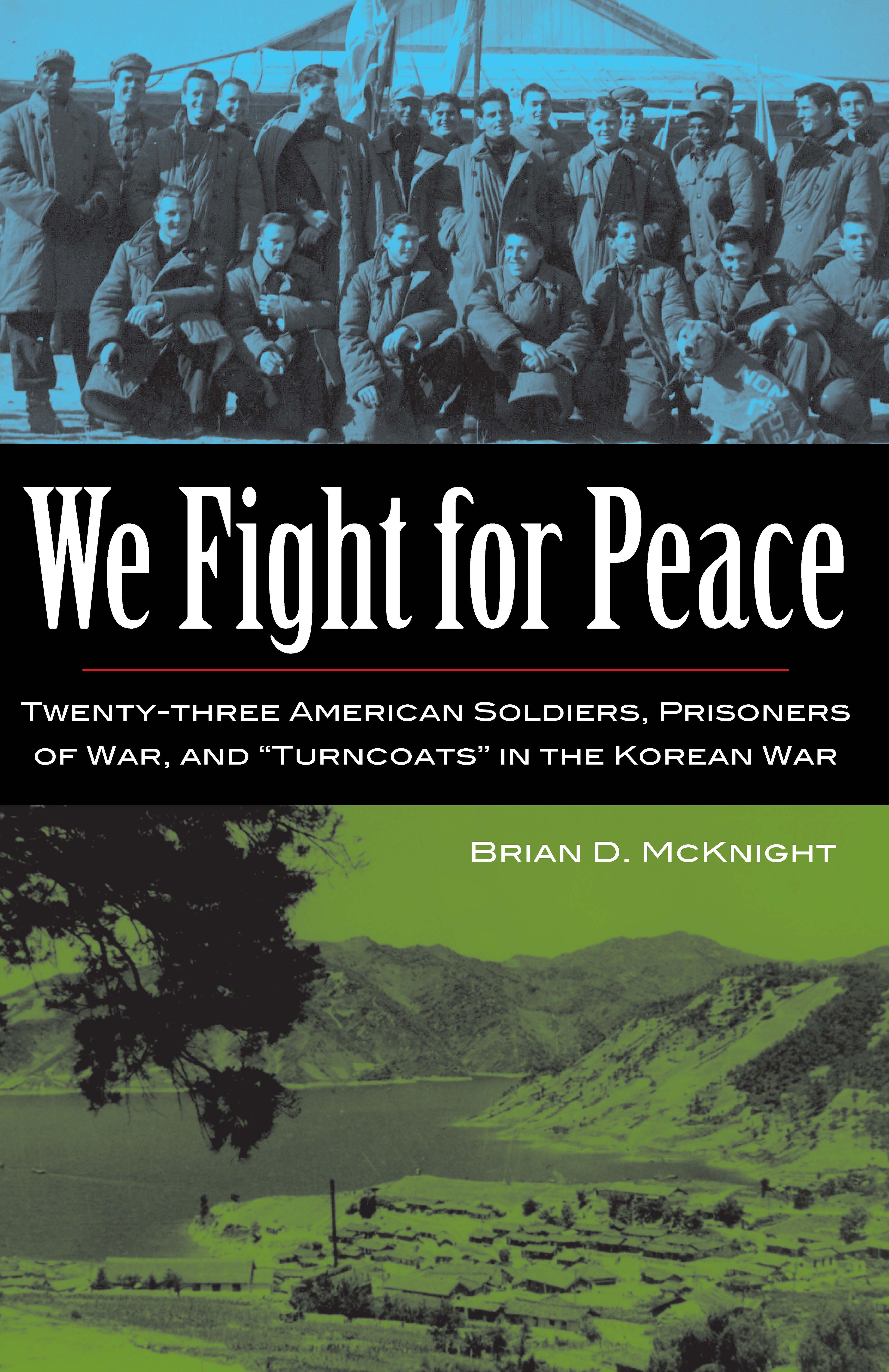
At midnight on January 24, 1954, the last step was taken in the armistice to end the war in Korea. That night, the neutral Indian guards who had overseen the prisoner of war repatriation process abandoned their posts, leaving their charges to make their own decisions. The vast majority of men allowed to choose a new nation were Chinese and North Koreans who elected the path of freedom. There were smaller groups hoping that the communist bloc would give them a better life; among these men were twenty-one American soldiers and prisoners of war. “We Fight for Peace” tells their story.
During the four months prior to the armistice, news had spread throughout the United States and the world that a group of twenty-three Americans was refusing repatriation. In the interim, two of the twenty-three soldiers had escaped. Once back behind American lines, the first voluntary repatriate, Edward Dickenson, was given celebrity treatment with the hope that this positive experience would entice the others to return to the United States. Just one more American POW, Claude Batchelor,chose repatriation.
In the United States, Dickenson, who was being treated at Walter Reed Medical Center, was placed under arrest and charged with a variety of collaboration related crimes. Weeks later, Batchelor was similarly arrested. Over the course of the coming months, Dickenson and Batchelor, against the backdrop of Joseph McCarthy’s Army Hearings, were prosecuted, convicted, and imprisoned. In the ensuing years, Dickenson and Batchelor, both of whom had voluntarily returned to the United States, watched from their jail cells as most of the remaining twenty-one Americans trickled back home, protected by the dishonorable discharges they received. Exhaustively researched and meticulously documented, “We Fight for Peace” is the first comprehensive scholarly work on this controversial event in international history.
Before Memmo my notes were scattered across PDFs. Now a workspace pulls everything into one place — I see exactly what's still left to study.
Memmo's summaries are gold before exams. I don't have to re-read 800 pages two weeks before — just the important parts.
The AI chat has saved me the night before an exam more than once. I just keep asking until I get it — no waiting on a study group to reply.
The quizzes hit exactly what I need to know. Memmo tracks what I get stuck on — so I only practice what's worth it.
Flashcards with spaced repetition are magic. Memmo knows when I'm about to forget something and brings it back.
The AI podcasts are my favorite. I listen on my way to school and get a recap without sitting at a computer.

Handbok i kvalitativa metoder
281 kr

Hållbar utveckling: en introduktion för ingenjörer och andra problemlösare
334 kr

Brymans Samhällsvetenskapliga metoder
390 kr

Projektledning
491 kr

Den orättvisa hälsan: om socioekonomiska skillnader i hälsa och livslängd
326 kr

Organizational Leadership
429 kr

Vetenskapsteori för nybörjare
196 kr

På väg mot läraryrket
172 kr

Det sociala livet i skolan: Socialpsykologiska perspektiv
253 kr

Betygsättningens didaktik
151 kr

Personality
402 kr

Studying Leadership
404 kr

Managing Innovation
477 kr

Introduktion till samhällsvetenskaplig metod
347 kr

The Psychology of Sex and Gender
698 kr

Evidens och kunskap för socialt arbete
207 kr

Introduction to Leadership
605 kr