
Before Memmo my notes were scattered across PDFs. Now a workspace pulls everything into one place — I see exactly what's still left to study.
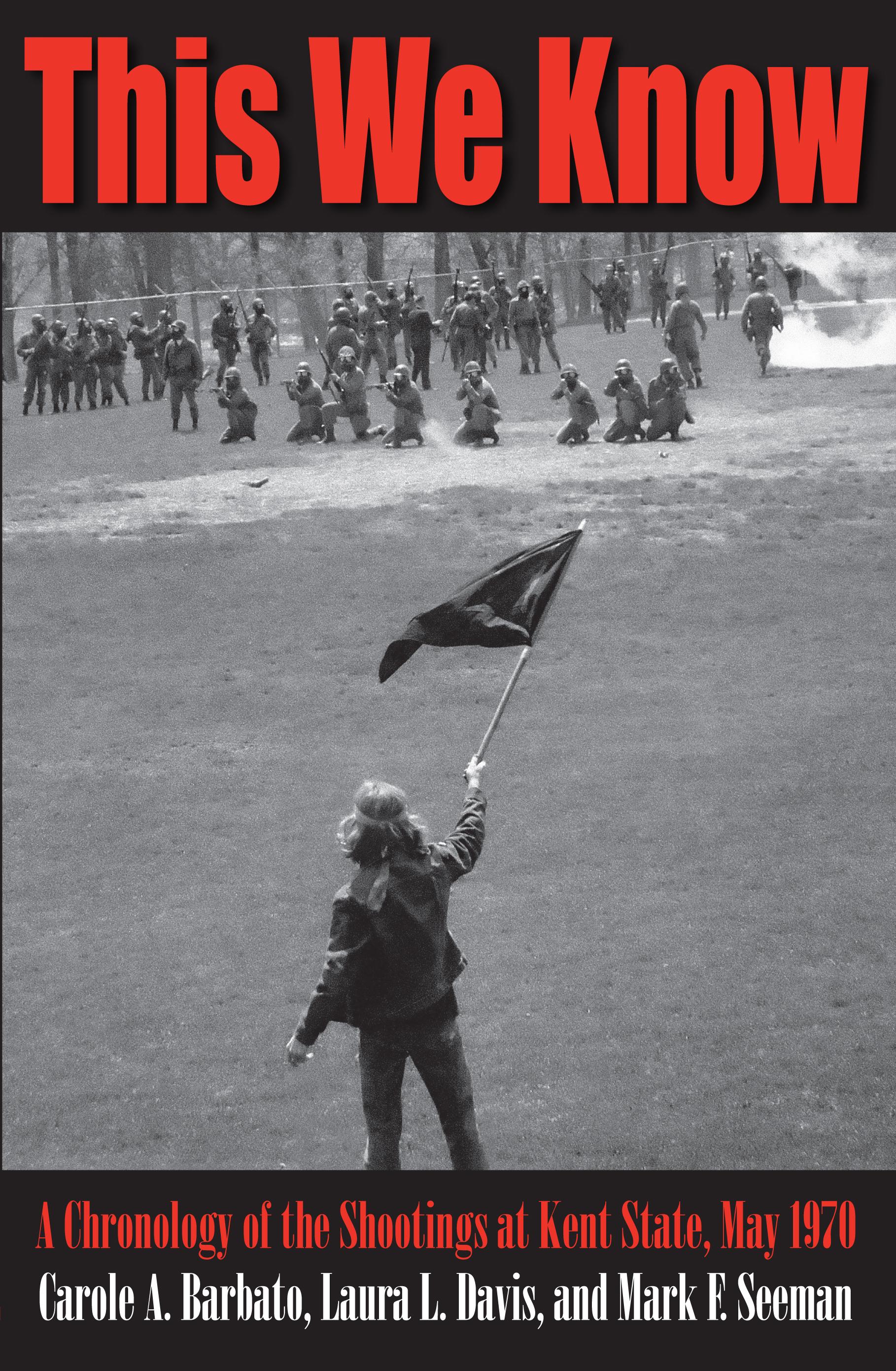
The essays in this volume explore the complex relationships among events, memory, and portrayal of those events and the deepest questions of human experience, all viewed through a range of disciplinary lenses but grouped into three sections, each with its own focus and meaning.
The first group of essays focuses on the events of May 4, 1970, when the Ohio National Guard shot Kent State University students, killing four of them and causing shock waves that continue to resonate among those concerned with peace and violence, silence, and giving voice. Essays in the second group address the part played by corporate and noncorporate media in shaping public memory and raising public consciousness. The final section examines acts of remembrance and reconciliation within local communities and the long history of discrimination within the national community, directly and indirectly proposing ways in which society can move toward social justice.
For four decades, the Kent State University community has worked to preserve the stories of those who were lost on May 4th, both to honor them and to reveal the universal meanings behind the events. The community is negotiating, in a literal sense, the space between memory and history and between social remembering and historical analysis. For many at Kent State and in other communities that have experienced violence, the historical event is a lived event. Acts of scholarship are sometimes acts of remembrance and commemoration at the same time.
This volume emanates from a commemorative act—the University’s tenth Symposium on Democracy, founded in 2000 as a living memorial to the four students who lost their lives and as an enduring dedication to scholarship that seeks to prevent violence and promote democratic values and civil discourse. The work in this collection pursues historical meaning that holds relevance for a particular community and speaks indelibly to the entire human community.
Before Memmo my notes were scattered across PDFs. Now a workspace pulls everything into one place — I see exactly what's still left to study.
Memmo's summaries are gold before exams. I don't have to re-read 800 pages two weeks before — just the important parts.
The AI chat has saved me the night before an exam more than once. I just keep asking until I get it — no waiting on a study group to reply.
The quizzes hit exactly what I need to know. Memmo tracks what I get stuck on — so I only practice what's worth it.
Flashcards with spaced repetition are magic. Memmo knows when I'm about to forget something and brings it back.
The AI podcasts are my favorite. I listen on my way to school and get a recap without sitting at a computer.

Handbok i kvalitativa metoder
281 kr

Hållbar utveckling: en introduktion för ingenjörer och andra problemlösare
334 kr

Brymans Samhällsvetenskapliga metoder
390 kr

Projektledning
491 kr

Den orättvisa hälsan: om socioekonomiska skillnader i hälsa och livslängd
326 kr

Vetenskapsteori för nybörjare
196 kr

Organizational Leadership
429 kr

På väg mot läraryrket
172 kr

Det sociala livet i skolan: Socialpsykologiska perspektiv
253 kr

Betygsättningens didaktik
151 kr

Personality
402 kr

Studying Leadership
404 kr

Managing Innovation
477 kr

Introduktion till samhällsvetenskaplig metod
347 kr

The Psychology of Sex and Gender
698 kr

Evidens och kunskap för socialt arbete
207 kr

Introduction to Leadership
605 kr