
Before Memmo my notes were scattered across PDFs. Now a workspace pulls everything into one place — I see exactly what's still left to study.
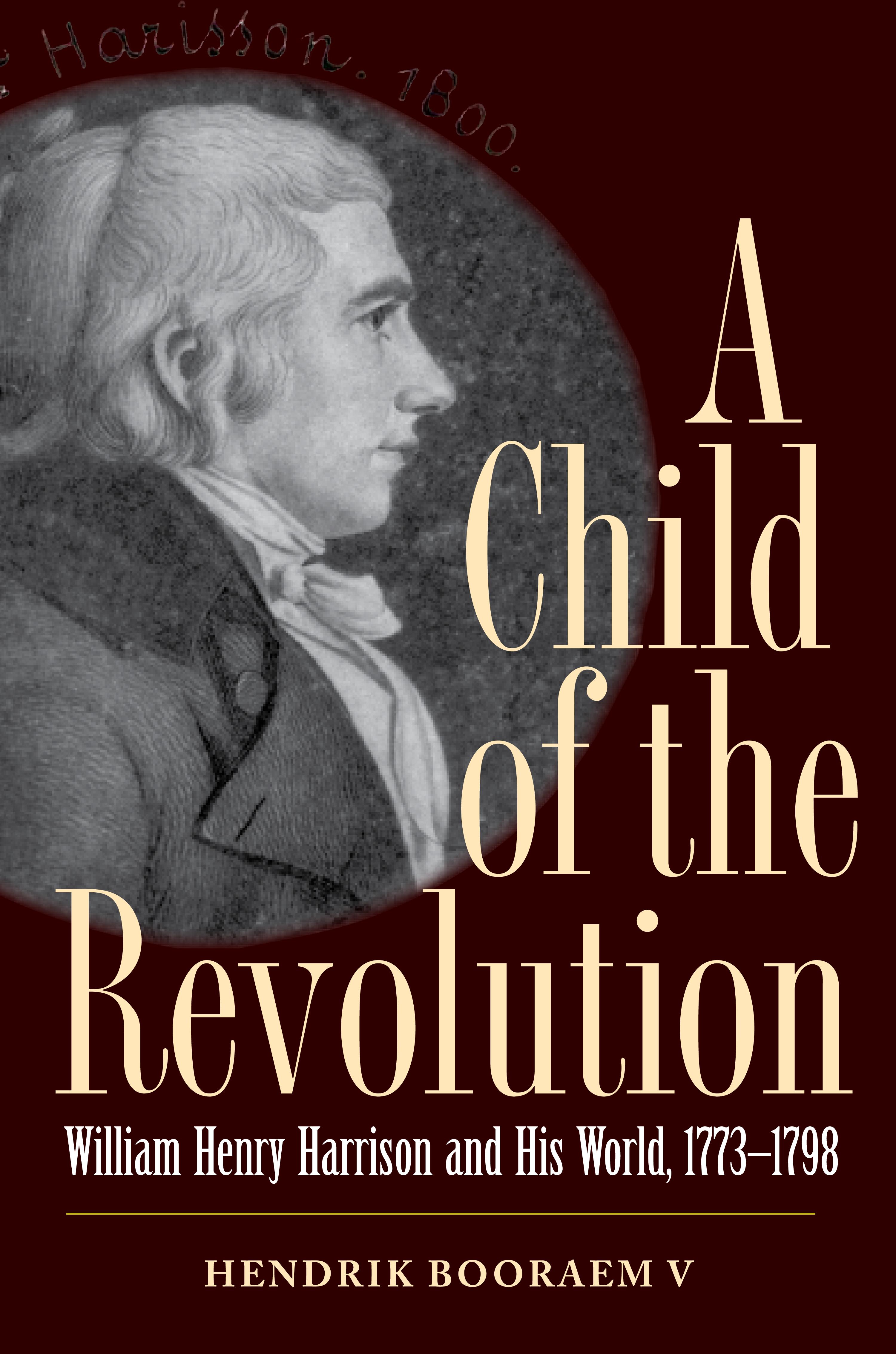
Indian wars in early Ohio as seen through the eyes of a future president
The American Revolution gave birth to a nation, forever changed the course of political thought, and shattered and transformed the lives of the citizens of the new republic. An iconic figure of the Old Northwest, governor, Indian fighter, general in the War of 1812, and ultimately president, William Henry Harrison was one such citizen. The son of a rich Virginia planter, Harrison saw his family mansion burned and his relatives scattered. In the war’s aftermath, he rejected his inherited beliefs about slavery, religion, and authority, and made an idealistic commitment to serve the United States.
This led him to the United States Army, which at the time was a sorry collection of drunks and derelicts who were about to be reorganized in the face of a serious conflict with the Indian nations of the Ohio valley. Author Hendrik Booraem follows Harrison as Gen. Anthony Wayne attempted to rebuild the army into a fighting force, first in Pittsburgh, then in Cincinnati and the forests of the Northwest. A voracious reader of history and the classics, Harrison became fascinated with the archaeology and ethnology of the region, even as his military service led to a dramatic showdown with the British army, which had secretly been aiding the Indians.
By age 21, Harrison had achieved almost everything he had set his heart on—adventure, recognition, intellectual stimulation, and even a small measure of power. He was the youngest man to put his name to the Treaty of Greenville, which ended Indian control over Ohio lands and opened the way for development and statehood. He even won a bride: Anna Symmes, the Eastern-educated daughter of pioneer landowner John Cleves Symmes. When Congress voted to downsize the army, 25-year-old Harrison, now a family man, fumbled for a second career.
Drawing on a variety of primary documents, Booraem re-creates military life as Lieutenant Harrison experienced it—a life of duels, discipline, rivalries, hardships, baffling encounters with the natives and social relations between officers and men, military and civilians, and men and women.
Before Memmo my notes were scattered across PDFs. Now a workspace pulls everything into one place — I see exactly what's still left to study.
Memmo's summaries are gold before exams. I don't have to re-read 800 pages two weeks before — just the important parts.
The AI chat has saved me the night before an exam more than once. I just keep asking until I get it — no waiting on a study group to reply.
The quizzes hit exactly what I need to know. Memmo tracks what I get stuck on — so I only practice what's worth it.
Flashcards with spaced repetition are magic. Memmo knows when I'm about to forget something and brings it back.
The AI podcasts are my favorite. I listen on my way to school and get a recap without sitting at a computer.

Handbok i kvalitativa metoder
281 kr

Hållbar utveckling: en introduktion för ingenjörer och andra problemlösare
334 kr

Brymans Samhällsvetenskapliga metoder
390 kr

Projektledning
491 kr

Den orättvisa hälsan: om socioekonomiska skillnader i hälsa och livslängd
326 kr

Vetenskapsteori för nybörjare
196 kr

Organizational Leadership
429 kr

På väg mot läraryrket
172 kr

Det sociala livet i skolan: Socialpsykologiska perspektiv
253 kr

Betygsättningens didaktik
151 kr

Personality
402 kr

Studying Leadership
404 kr

Managing Innovation
477 kr

Introduktion till samhällsvetenskaplig metod
347 kr

The Psychology of Sex and Gender
698 kr

Evidens och kunskap för socialt arbete
207 kr

Introduction to Leadership
605 kr