
Before Memmo my notes were scattered across PDFs. Now a workspace pulls everything into one place — I see exactly what's still left to study.
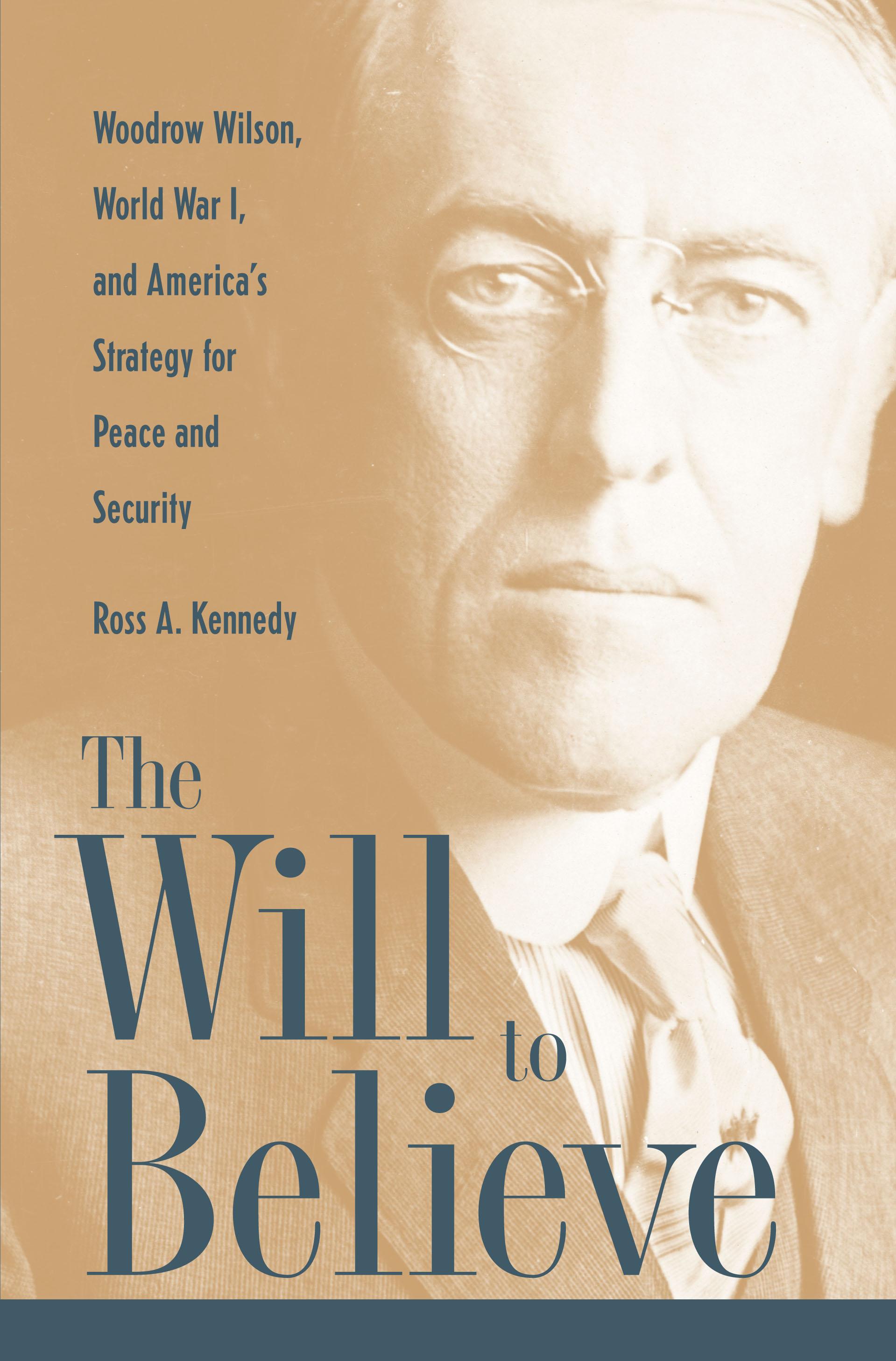
A fresh analysis of Woodrow Wilson’s national security strategy during World War I
“By addressing all sides of the American debate on national security questions, and by showing both the complexity and the nuance that characterized that debate, The Will to Believe fills a major gap in the literature on both World War I and all things ‘Wilsonian.’”
—Mary Ann Heiss, series editor, New Studies in U.S. Foreign Relations Series
In many ways, Woodrow Wilson and the era of World War I cast a deeper shadow over contemporary foreign policy debates than more recent events, such as the Cold War. More so than after World War II, Wilson and his contemporaries engaged in a wide-ranging debate about the fundamental character of American national security in the modern world. The Will to Believe is the first book that examines that debate in full, offering a detailed analysis of how U.S. political leaders and opinion makers conceptualized and pursued national security from 1914 to 1920.
Based on extensive research gleaned from public documents, presidential papers, and periodicals, The Will to Believe departs significantly from existing scholarship, which tends to examine only Wilson or his critics. This is the first study of America’s approach to the war, which examines all major U.S. perspectives from across the political spectrum and analyzes Wilson’s security strategy from the beginning of U.S. neutrality through the end of his presidency. During World War I there was no consensus among Wilson and his contemporaries on such fundamental issues as the nature of the international system, the impact of security policies on domestic freedom, the value of alliances and multinational organizations, and the relationship between democracy and peace. Historian Ross A. Kennedy focuses on how three competing groups—pacifists, liberal internationalists, and Atlanticists—addressed these and other national security issues.
Before Memmo my notes were scattered across PDFs. Now a workspace pulls everything into one place — I see exactly what's still left to study.
Memmo's summaries are gold before exams. I don't have to re-read 800 pages two weeks before — just the important parts.
The AI chat has saved me the night before an exam more than once. I just keep asking until I get it — no waiting on a study group to reply.
The quizzes hit exactly what I need to know. Memmo tracks what I get stuck on — so I only practice what's worth it.
Flashcards with spaced repetition are magic. Memmo knows when I'm about to forget something and brings it back.
The AI podcasts are my favorite. I listen on my way to school and get a recap without sitting at a computer.

Handbok i kvalitativa metoder
281 kr

Hållbar utveckling: en introduktion för ingenjörer och andra problemlösare
334 kr

Brymans Samhällsvetenskapliga metoder
390 kr

Projektledning
491 kr

Den orättvisa hälsan: om socioekonomiska skillnader i hälsa och livslängd
326 kr

Organizational Leadership
429 kr

Vetenskapsteori för nybörjare
196 kr

På väg mot läraryrket
172 kr

Det sociala livet i skolan: Socialpsykologiska perspektiv
253 kr

Betygsättningens didaktik
151 kr

Personality
402 kr

Studying Leadership
404 kr

Managing Innovation
477 kr

Introduktion till samhällsvetenskaplig metod
347 kr

The Psychology of Sex and Gender
698 kr

Evidens och kunskap för socialt arbete
207 kr

Introduction to Leadership
605 kr