
Before Memmo my notes were scattered across PDFs. Now a workspace pulls everything into one place — I see exactly what's still left to study.
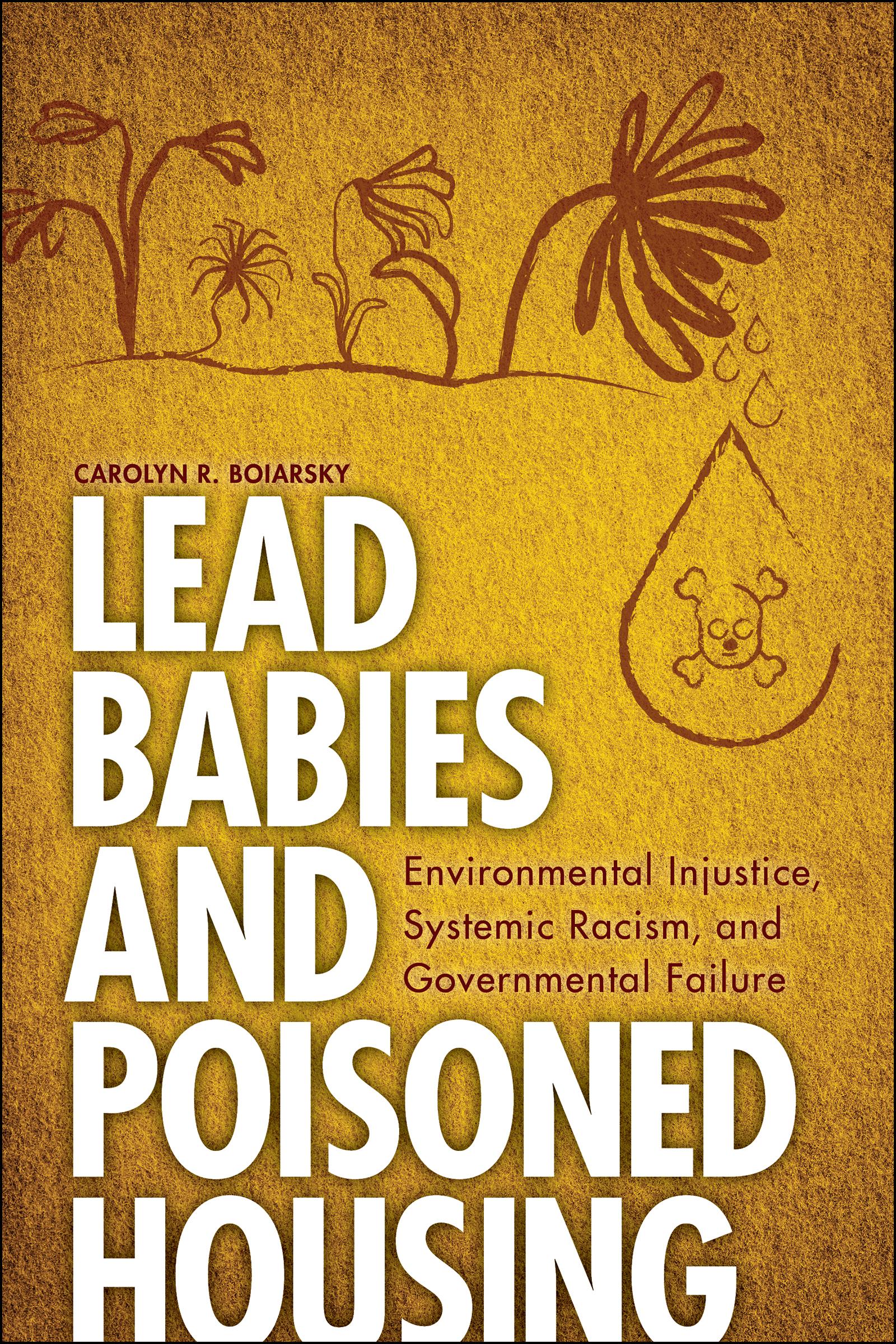
Drawing on historic sources as well as present-day interviews, Lead Babies and Poisoned Housing is a story about systemic racism, environmental injustice, and the failure of government.
In 2016, 1,100 mainly minority residents of a low-income housing complex in East Chicago, Indiana, received a letter from the city forcibly evicting them from their homes because a high level of lead was found in the soil under their houses. The residents were given two months to move. Many could not find safe housing nearby. The site was designated by the Environmental Protection Agency as a Superfund site because of the large amount of toxic material on it. More than 1,300 similar sites are located throughout the United States. Over 70 million people live within three miles of one of these sites.
Five years later, the U.S. Department of Housing and Urban Development Office of Inspector General charged three federal agencies—EPA, HUD, and CDC—with causing the lead poisoning of children living in the complex. The EPA, responsible for the cleanup, had been aware of the situation for 35 years. The director of the local housing authority admitted to building the complex over a demolished lead smelter. When health issues arose, the housing authority blamed the residents’ sanitary habits rather than its own failure to maintain the structures. The Centers for Disease Control and Prevention’s testing of blood lead levels was revealed to be faulty. In short, the very agencies that were supposed to protect these people instead neglected, ignored, and blamed them.
But this isn’t just a story of victimization; it is also about empowerment and community members insisting their voices be heard. Lead Babies and Poisoned Housing records the human side of what happens when the industries responsible for polluting leave, but the residents remain. Those residents tell their stories in their own words—not just what happened to them, but how they acted in response. We should listen, not only for justice, but as a cautionary tale against repeated history.
Before Memmo my notes were scattered across PDFs. Now a workspace pulls everything into one place — I see exactly what's still left to study.
Memmo's summaries are gold before exams. I don't have to re-read 800 pages two weeks before — just the important parts.
The AI chat has saved me the night before an exam more than once. I just keep asking until I get it — no waiting on a study group to reply.
The quizzes hit exactly what I need to know. Memmo tracks what I get stuck on — so I only practice what's worth it.
Flashcards with spaced repetition are magic. Memmo knows when I'm about to forget something and brings it back.
The AI podcasts are my favorite. I listen on my way to school and get a recap without sitting at a computer.

Handbok i kvalitativa metoder
281 kr

Hållbar utveckling: en introduktion för ingenjörer och andra problemlösare
334 kr

Brymans Samhällsvetenskapliga metoder
390 kr

Projektledning
491 kr

Den orättvisa hälsan: om socioekonomiska skillnader i hälsa och livslängd
326 kr

Vetenskapsteori för nybörjare
196 kr

Organizational Leadership
429 kr

På väg mot läraryrket
172 kr

Det sociala livet i skolan: Socialpsykologiska perspektiv
253 kr

Betygsättningens didaktik
151 kr

Personality
402 kr

Studying Leadership
404 kr

Managing Innovation
477 kr

Introduktion till samhällsvetenskaplig metod
347 kr

The Psychology of Sex and Gender
698 kr

Evidens och kunskap för socialt arbete
207 kr

Introduction to Leadership
605 kr