
Before Memmo my notes were scattered across PDFs. Now a workspace pulls everything into one place — I see exactly what's still left to study.
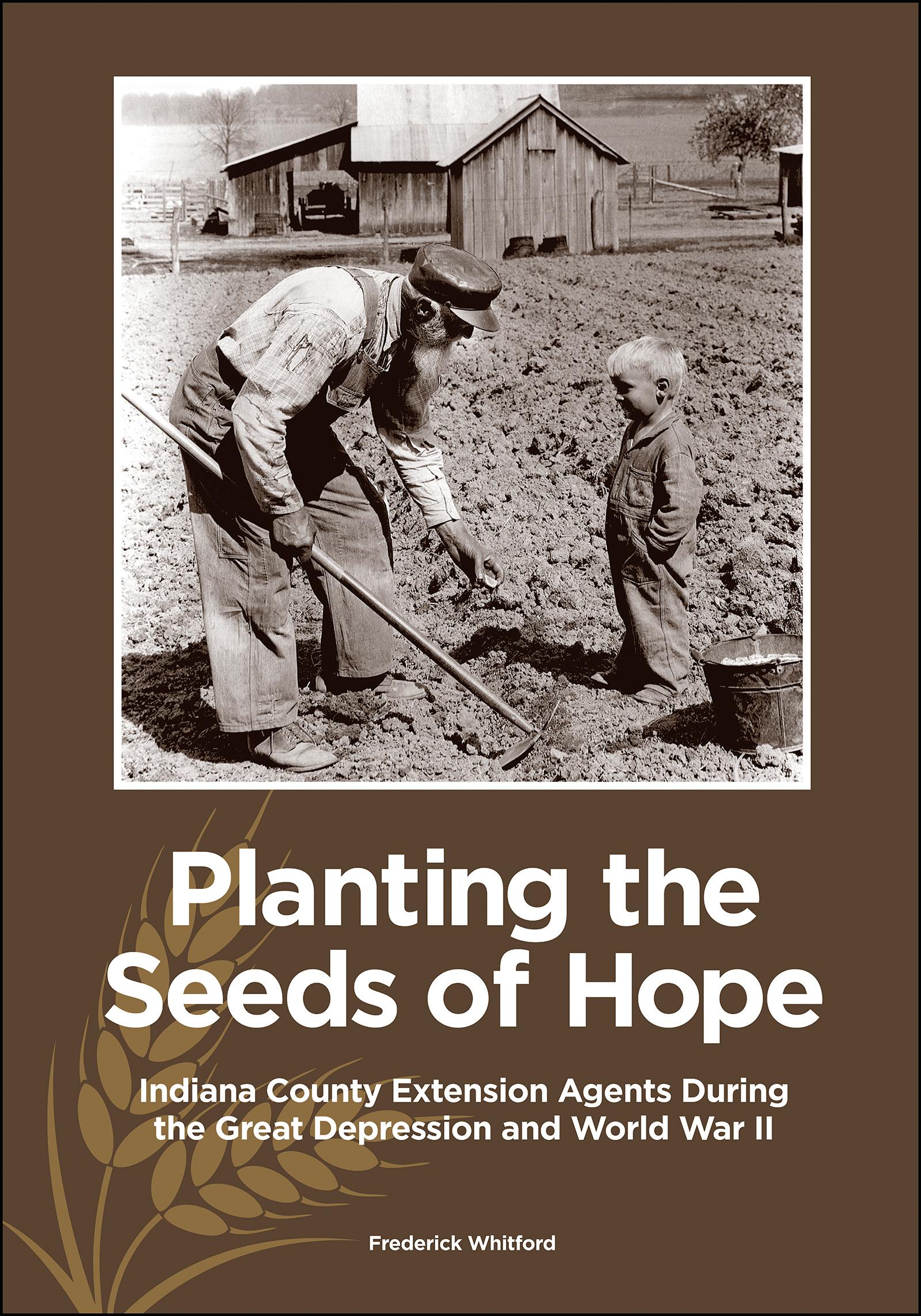
The Great Depression of the 1930s nearly brought the agricultural community to a standstill. As markets went into an economic freefall, farmers who had suffered through a post–World War I economic depression in the 1920s would now struggle to produce crops, livestock, and other commodities that could return more than the cost to produce them.
In Indiana, the county agents of the Purdue University Cooperative Extension Service saw this desperation firsthand. As they looked into the worried faces of the people they were asked to assist, the trust they had worked to build in their communities during the previous two decades would be put to the test. Throughout the painful years of the Great Depression, the county agents would stand side by side with Hoosier farmers, relying on science-based advice and proven strategies to help them produce more bushels per acre, more pigs per litter, more gallons of milk per cow, and more eggs per chicken.
Then, as the decade drew to a close, the start of World War II in Europe soon placed farmers on the frontlines at home, producing the agricultural commodities needed in the United States and in war-torn locations abroad. The federal government quickly called on county agents to push farmers to meet historic production quotas—not an easy task with farm machinery, tires, and fuel rationed, and a severe labor shortage resulting from farm workers being drafted for military service or opting for higher-paying jobs in factories.
Using the observations and reports of county agents, Planting the Seeds of Hope offers a behind-the-scenes look at what it was like to live through these historic events in rural Indiana. The agents’ own words and numerous accompanying photographs provide a one-of-a-kind perspective that brings their stories and those of the agricultural community they served to life at a pivotal time in American history.
Before Memmo my notes were scattered across PDFs. Now a workspace pulls everything into one place — I see exactly what's still left to study.
Memmo's summaries are gold before exams. I don't have to re-read 800 pages two weeks before — just the important parts.
The AI chat has saved me the night before an exam more than once. I just keep asking until I get it — no waiting on a study group to reply.
The quizzes hit exactly what I need to know. Memmo tracks what I get stuck on — so I only practice what's worth it.
Flashcards with spaced repetition are magic. Memmo knows when I'm about to forget something and brings it back.
The AI podcasts are my favorite. I listen on my way to school and get a recap without sitting at a computer.

Handbok i kvalitativa metoder
281 kr

Hållbar utveckling: en introduktion för ingenjörer och andra problemlösare
334 kr

Brymans Samhällsvetenskapliga metoder
390 kr

Projektledning
491 kr

Den orättvisa hälsan: om socioekonomiska skillnader i hälsa och livslängd
326 kr

Vetenskapsteori för nybörjare
196 kr

Organizational Leadership
429 kr

På väg mot läraryrket
172 kr

Det sociala livet i skolan: Socialpsykologiska perspektiv
253 kr

Betygsättningens didaktik
151 kr

Personality
402 kr

Studying Leadership
404 kr

Managing Innovation
477 kr

Introduktion till samhällsvetenskaplig metod
347 kr

The Psychology of Sex and Gender
698 kr

Evidens och kunskap för socialt arbete
207 kr

Introduction to Leadership
605 kr