
Before Memmo my notes were scattered across PDFs. Now a workspace pulls everything into one place — I see exactly what's still left to study.
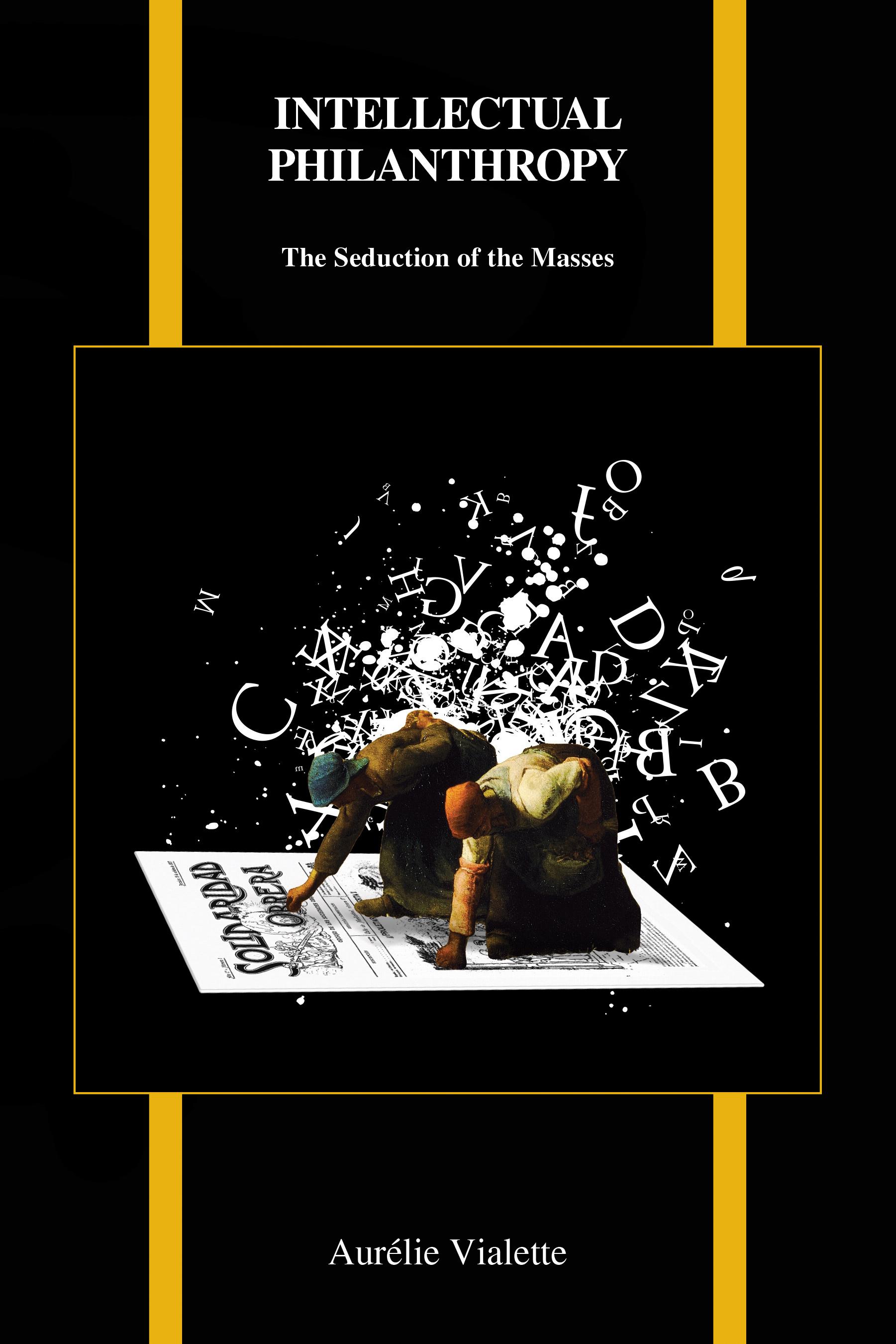
What's in a nineteenth-century philanthropist? Fear of an
uprising. But the frightened philanthropist has a remedy. Aware that the urban
surge of the working-class masses in Spain would create a state of emergency,
he or she devises a means to seduce the masses away from rebellion by taking on
himself or herself the role of the seducer: the capitalist intellectual hero
invested in the caretaking of the unpredictable working class. Intellectual
Philanthropy examines cultural practices used by philanthropists in modern
Iberia. It explains the meaning and role of intellectual philanthropy by
focusing on the devices and apparatuses philanthropists devised to realize
their projects. Intellectual philanthropists considered themselves activists in
that they aimed to impact social structures and deployed a rhetoric of the
affect to convince the workers to join their philanthropic enterprise.
Philanthropy, in the nineteenth century, was not necessarily
linked to money. Motivations could be moral or political; they could arise from
a desire to enhance social status or to acquire influence. To explicitly
designate this conceptualization of the philanthropic act, the author proposes
its own name: intellectual philanthropy. Intellectual philanthropy is
the use of philanthropic platforms by intellectuals to deploy cultural and
educational structures in which workers could acquire a cultural capital
constructed and organized by the philanthropists. Vialette argues that
intellectual philanthropy appeared as a reaction to the feared political and
cultural organization of the working class, rather than as a process of worker
emancipation.
These philanthropic processes aimed at organizing the
workers emotionally and rationally into what she calls micro-societies. Philanthropists
used the technique of seduction and expressed love to and for a targeted class.
However, this seduction prevented real communication, and created a moral and
symbolic indebtedness. This process was perverse in that, through its cultural
and educational structures, philanthropy would give workers cultural capital
that was not just emancipatory, but also a way to restrict their agency.
Before Memmo my notes were scattered across PDFs. Now a workspace pulls everything into one place — I see exactly what's still left to study.
Memmo's summaries are gold before exams. I don't have to re-read 800 pages two weeks before — just the important parts.
The AI chat has saved me the night before an exam more than once. I just keep asking until I get it — no waiting on a study group to reply.
The quizzes hit exactly what I need to know. Memmo tracks what I get stuck on — so I only practice what's worth it.
Flashcards with spaced repetition are magic. Memmo knows when I'm about to forget something and brings it back.
The AI podcasts are my favorite. I listen on my way to school and get a recap without sitting at a computer.

Handbok i kvalitativa metoder
281 kr

Hållbar utveckling: en introduktion för ingenjörer och andra problemlösare
334 kr

Brymans Samhällsvetenskapliga metoder
390 kr

Projektledning
491 kr

Den orättvisa hälsan: om socioekonomiska skillnader i hälsa och livslängd
326 kr

Vetenskapsteori för nybörjare
196 kr

Organizational Leadership
429 kr

På väg mot läraryrket
172 kr

Det sociala livet i skolan: Socialpsykologiska perspektiv
253 kr

Betygsättningens didaktik
151 kr

Personality
402 kr

Studying Leadership
404 kr

Managing Innovation
477 kr

Introduktion till samhällsvetenskaplig metod
347 kr

The Psychology of Sex and Gender
698 kr

Evidens och kunskap för socialt arbete
207 kr

Introduction to Leadership
605 kr