
Before Memmo my notes were scattered across PDFs. Now a workspace pulls everything into one place — I see exactly what's still left to study.
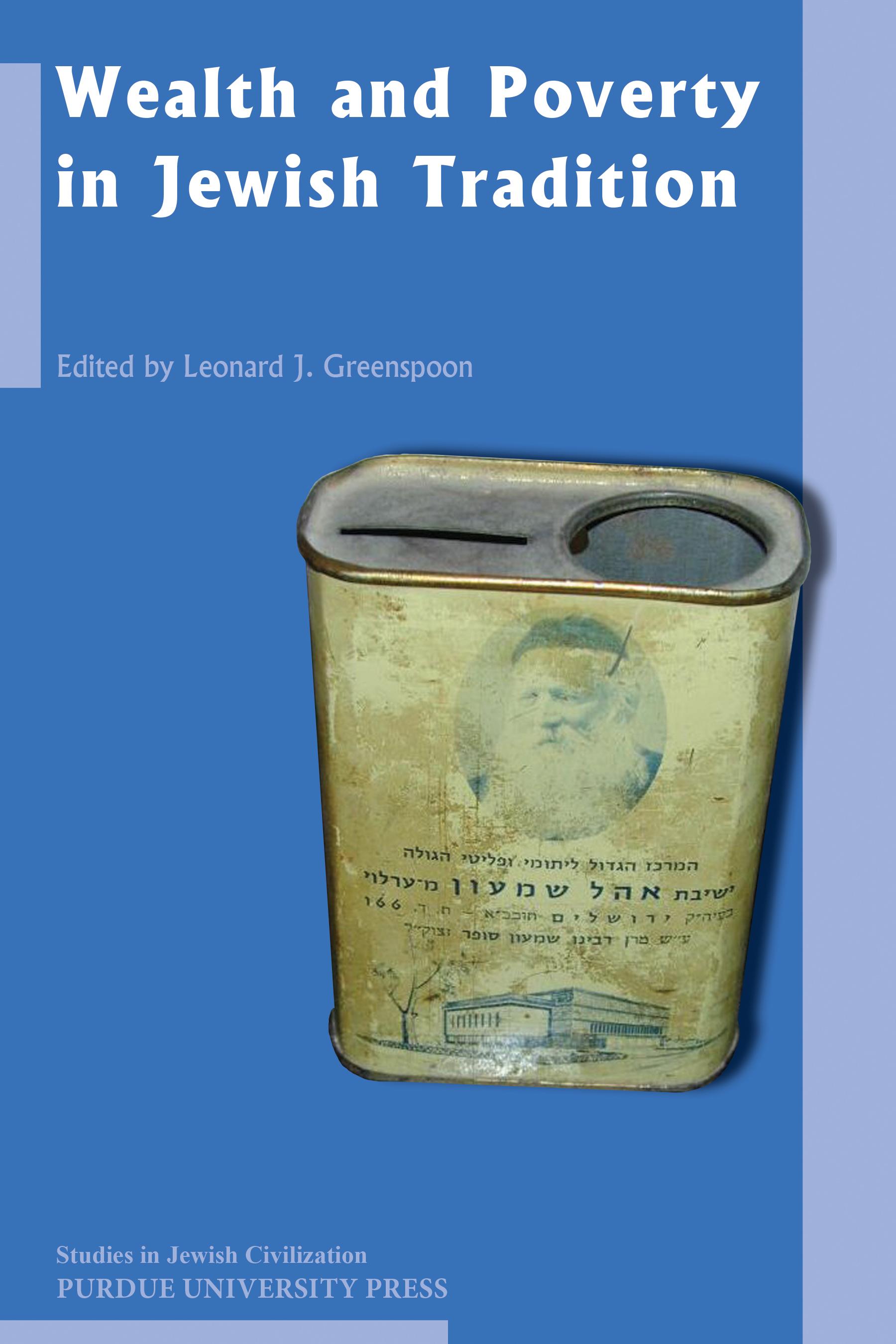
Economic inequity is an issue of worldwide concern in the twenty-first century. Although these issues have not troubled all people at all times, they are nonetheless not new. Thus, it is not surprising that Judaism has developed many perspectives, theoretical and practical, to explain and ameliorate the circumstances that produce serious economic disparity. This volume offers an accessible collection of articles that deal comprehensively with this phenomenon from a variety of approaches and perspectives.
Within this framework, the fourteen authors who contributed to Wealth and Poverty in Jewish Tradition bring a formidable array of experience and insight to uncover interconnected threads of conversation and activities that characterize Jewish thought and action. Among the questions raised, for which there are frequently multiple responses: Is the giving of tzedakah (generally, although imprecisely, translated as charity) a command or an impulse? Does the Jewish tradition give priority to the donor or to the recipient? To what degree is charity a communal responsibility? Is there something inherently ennobling or, conversely, debasing about being poor? How have basic concepts about wealth and poverty evolved from biblical through rabbinic and medieval sources until the modern period? What are some specific historical events that demonstrate either marked success or bitter failure? And finally, are there some relevant concepts and practices that are distinctively, if not uniquely, Jewish?
It is a singular strength of this collection that appropriate attention is given, in a style that is both accessible and authoritative, to the vast and multiform conversations that are recorded in the Talmud and other foundational documents of rabbinic Judaism. Moreover, perceptive analysis is not limited to the past, but also helps us to comprehend circumstances among todays Jews. It is equally valuable that these authors are attuned to the differences between aspirations and the realities in which actual people have lived.
Before Memmo my notes were scattered across PDFs. Now a workspace pulls everything into one place — I see exactly what's still left to study.
Memmo's summaries are gold before exams. I don't have to re-read 800 pages two weeks before — just the important parts.
The AI chat has saved me the night before an exam more than once. I just keep asking until I get it — no waiting on a study group to reply.
The quizzes hit exactly what I need to know. Memmo tracks what I get stuck on — so I only practice what's worth it.
Flashcards with spaced repetition are magic. Memmo knows when I'm about to forget something and brings it back.
The AI podcasts are my favorite. I listen on my way to school and get a recap without sitting at a computer.

Handbok i kvalitativa metoder
281 kr

Hållbar utveckling: en introduktion för ingenjörer och andra problemlösare
334 kr

Brymans Samhällsvetenskapliga metoder
390 kr

Projektledning
491 kr

Den orättvisa hälsan: om socioekonomiska skillnader i hälsa och livslängd
326 kr

Vetenskapsteori för nybörjare
196 kr

Organizational Leadership
429 kr

På väg mot läraryrket
172 kr

Det sociala livet i skolan: Socialpsykologiska perspektiv
253 kr

Betygsättningens didaktik
151 kr

Personality
402 kr

Studying Leadership
404 kr

Managing Innovation
477 kr

Introduktion till samhällsvetenskaplig metod
347 kr

The Psychology of Sex and Gender
698 kr

Evidens och kunskap för socialt arbete
207 kr

Introduction to Leadership
605 kr