
Before Memmo my notes were scattered across PDFs. Now a workspace pulls everything into one place — I see exactly what's still left to study.
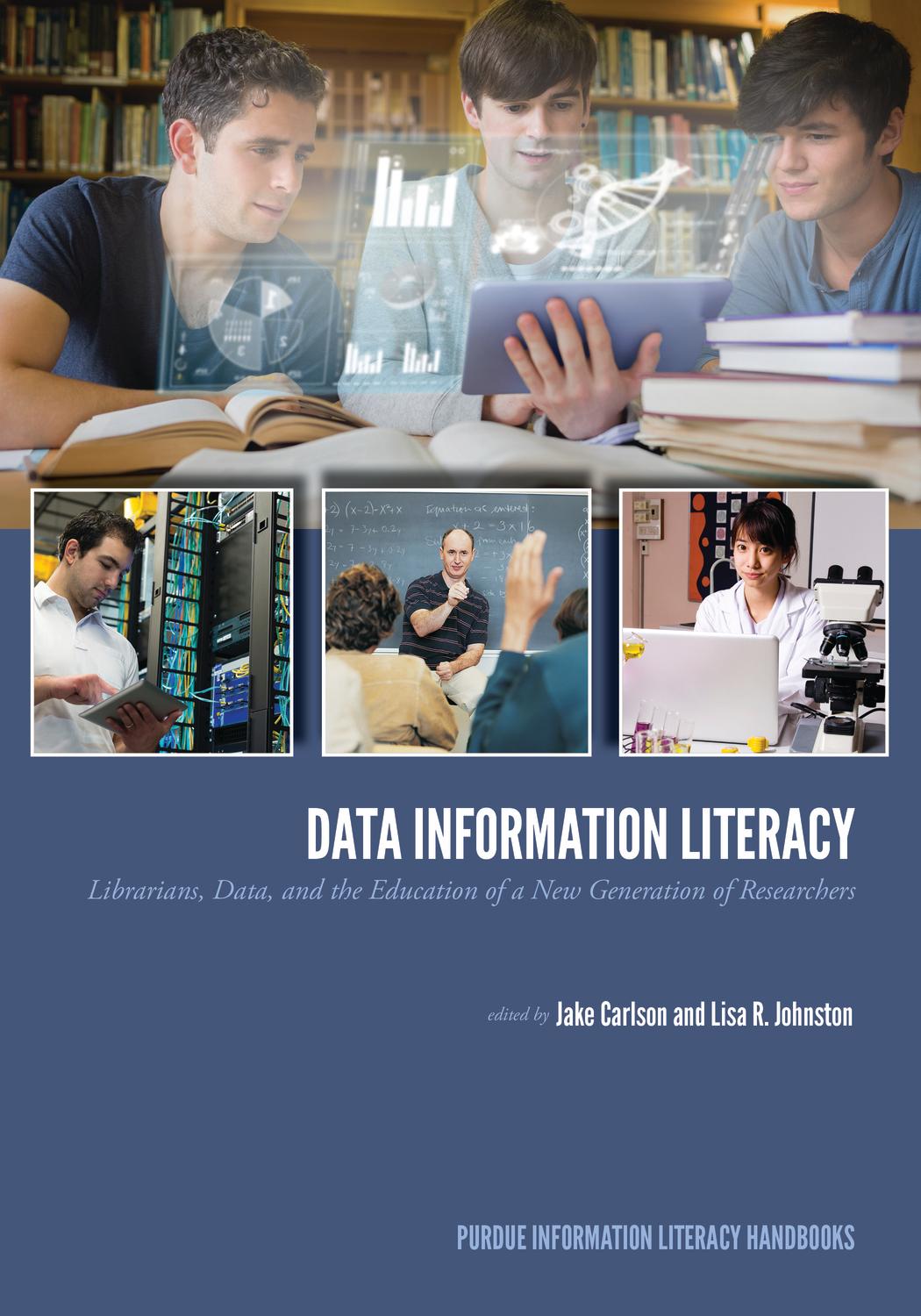
Given the increasing attention to managing, publishing, and preserving research datasets as scholarly assets, what competencies in working with research data will graduate students in STEM disciplines need to be successful in their fields? And what role can librarians play in helping students attain these competencies? In addressing these questions, this book articulates a new area of opportunity for librarians and other information professionals, developing educational programs that introduce graduate students to the knowledge and skills needed to work with research data. The term "data information literacy" has been adopted with the deliberate intent of tying two emerging roles for librarians together. By viewing information literacy and data services as complementary rather than separate activities, the contributors seek to leverage the progress made and the lessons learned in each service area.
The intent of the publication is to help librarians cultivate strategies and approaches for developing data information literacy programs of their own using the work done in the multiyear, IMLS-supported Data Information Literacy (DIL) project as real-world case studies. The initial chapters introduce the concepts and ideas behind data information literacy, such as the twelve data competencies. The middle chapters describe five case studies in data information literacy conducted at different institutions (Cornell, Purdue, Minnesota, Oregon), each focused on a different disciplinary area in science and engineering. They detail the approaches taken, how the programs were implemented, and the assessment metrics used to evaluate their impact. The later chapters include the "DIL Toolkit," a distillation of the lessons learned, which is presented as a handbook for librarians interested in developing their own DIL programs. The book concludes with recommendations for future directions and growth of data information literacy. More information about the DIL project can be found on the project's website: datainfolit.org.
Before Memmo my notes were scattered across PDFs. Now a workspace pulls everything into one place — I see exactly what's still left to study.
Memmo's summaries are gold before exams. I don't have to re-read 800 pages two weeks before — just the important parts.
The AI chat has saved me the night before an exam more than once. I just keep asking until I get it — no waiting on a study group to reply.
The quizzes hit exactly what I need to know. Memmo tracks what I get stuck on — so I only practice what's worth it.
Flashcards with spaced repetition are magic. Memmo knows when I'm about to forget something and brings it back.
The AI podcasts are my favorite. I listen on my way to school and get a recap without sitting at a computer.

Handbok i kvalitativa metoder
281 kr

Hållbar utveckling: en introduktion för ingenjörer och andra problemlösare
334 kr

Brymans Samhällsvetenskapliga metoder
390 kr

Projektledning
491 kr

Den orättvisa hälsan: om socioekonomiska skillnader i hälsa och livslängd
326 kr

Organizational Leadership
429 kr

Vetenskapsteori för nybörjare
196 kr

På väg mot läraryrket
172 kr

Det sociala livet i skolan: Socialpsykologiska perspektiv
253 kr

Betygsättningens didaktik
151 kr

Personality
402 kr

Studying Leadership
404 kr

Managing Innovation
477 kr

Introduktion till samhällsvetenskaplig metod
347 kr

The Psychology of Sex and Gender
698 kr

Evidens och kunskap för socialt arbete
207 kr

Introduction to Leadership
605 kr