
Before Memmo my notes were scattered across PDFs. Now a workspace pulls everything into one place — I see exactly what's still left to study.
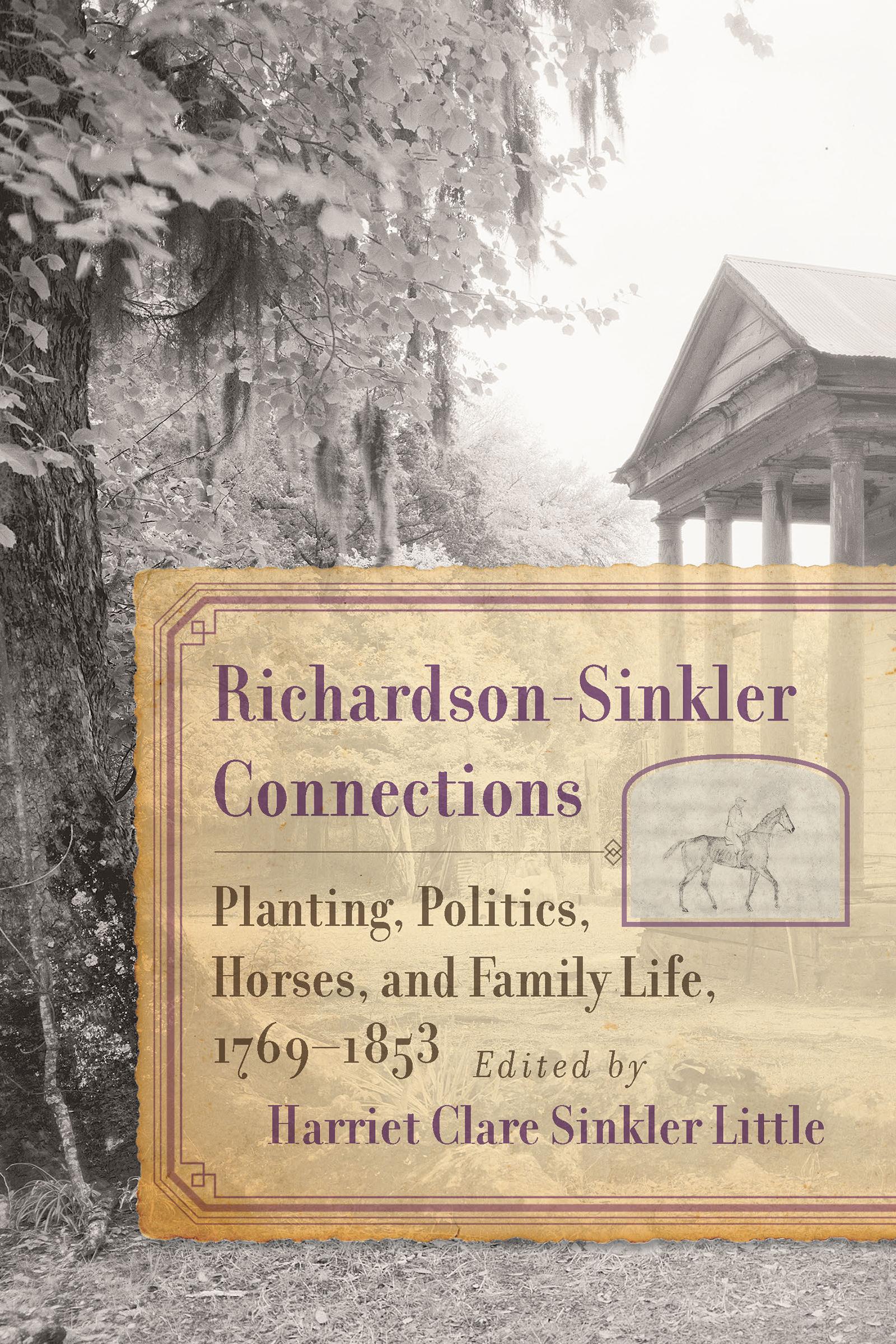
A fascinating look at the private lives of prosperous landowners in antebellum South Carolina
Offering a richly textured picture of early national South Carolina, Richardson-Sinkler Connections includes more than 150 letters and documents left by the prominent Richardson and Sinkler families, who lived in the Santee region between Charleston and Columbia. Prosperous landowners related by both blood and marriage, the families made their fortunes as planters of indigo, rice, and cotton.
The Sinkler family established homes south of the Santee River starting around 1700, and Richard Richardson arrived from Virginia about 1730. The second James Sinkler died in 1800, leaving four children, only one of whom had completed his education. Thirteen years old when his father died, the second son, William Sinkler, was mentored by his older first cousin/brother-in-law, state representative and later governor James B. Richardson, who closely followed the boy's progress as he pursued his studies in the North. William would go on to build Eutaw plantation in what is now Orangeburg County and, like his cousin James, pursue a passionate interest in horse breeding and racing, even building a racetrack on his property. In addition to revealing details about matters of politics, farming, education, travel, and racing, the letters also describe the difficulties of visiting across the Santee River, in the Sandhills where the Richardsons lived. The linchpin of the two families was James Sinkler's widow, Margaret, who was adored by her niece/stepdaughter, Ann, as well as by the Richardson nephews and many others. Her letters, and Ann's, open a fascinating window into women's lives of the era.
Thorough annotations with genealogical notes and charts trace the complicated relationships between the Sinklers and Richardsons, as well as among other prominent families of the region and state. The book includes more than forty illustrations, including portraits, sketches, photographs of plantations and other sites, plats, and maps.
Before Memmo my notes were scattered across PDFs. Now a workspace pulls everything into one place — I see exactly what's still left to study.
Memmo's summaries are gold before exams. I don't have to re-read 800 pages two weeks before — just the important parts.
The AI chat has saved me the night before an exam more than once. I just keep asking until I get it — no waiting on a study group to reply.
The quizzes hit exactly what I need to know. Memmo tracks what I get stuck on — so I only practice what's worth it.
Flashcards with spaced repetition are magic. Memmo knows when I'm about to forget something and brings it back.
The AI podcasts are my favorite. I listen on my way to school and get a recap without sitting at a computer.

Handbok i kvalitativa metoder
281 kr

Hållbar utveckling: en introduktion för ingenjörer och andra problemlösare
334 kr

Brymans Samhällsvetenskapliga metoder
390 kr

Projektledning
491 kr

Den orättvisa hälsan: om socioekonomiska skillnader i hälsa och livslängd
326 kr

Organizational Leadership
429 kr

Vetenskapsteori för nybörjare
196 kr

På väg mot läraryrket
172 kr

Det sociala livet i skolan: Socialpsykologiska perspektiv
253 kr

Betygsättningens didaktik
151 kr

Personality
402 kr

Studying Leadership
404 kr

Managing Innovation
477 kr

Introduktion till samhällsvetenskaplig metod
347 kr

The Psychology of Sex and Gender
698 kr

Evidens och kunskap för socialt arbete
207 kr

Introduction to Leadership
605 kr