
Before Memmo my notes were scattered across PDFs. Now a workspace pulls everything into one place — I see exactly what's still left to study.
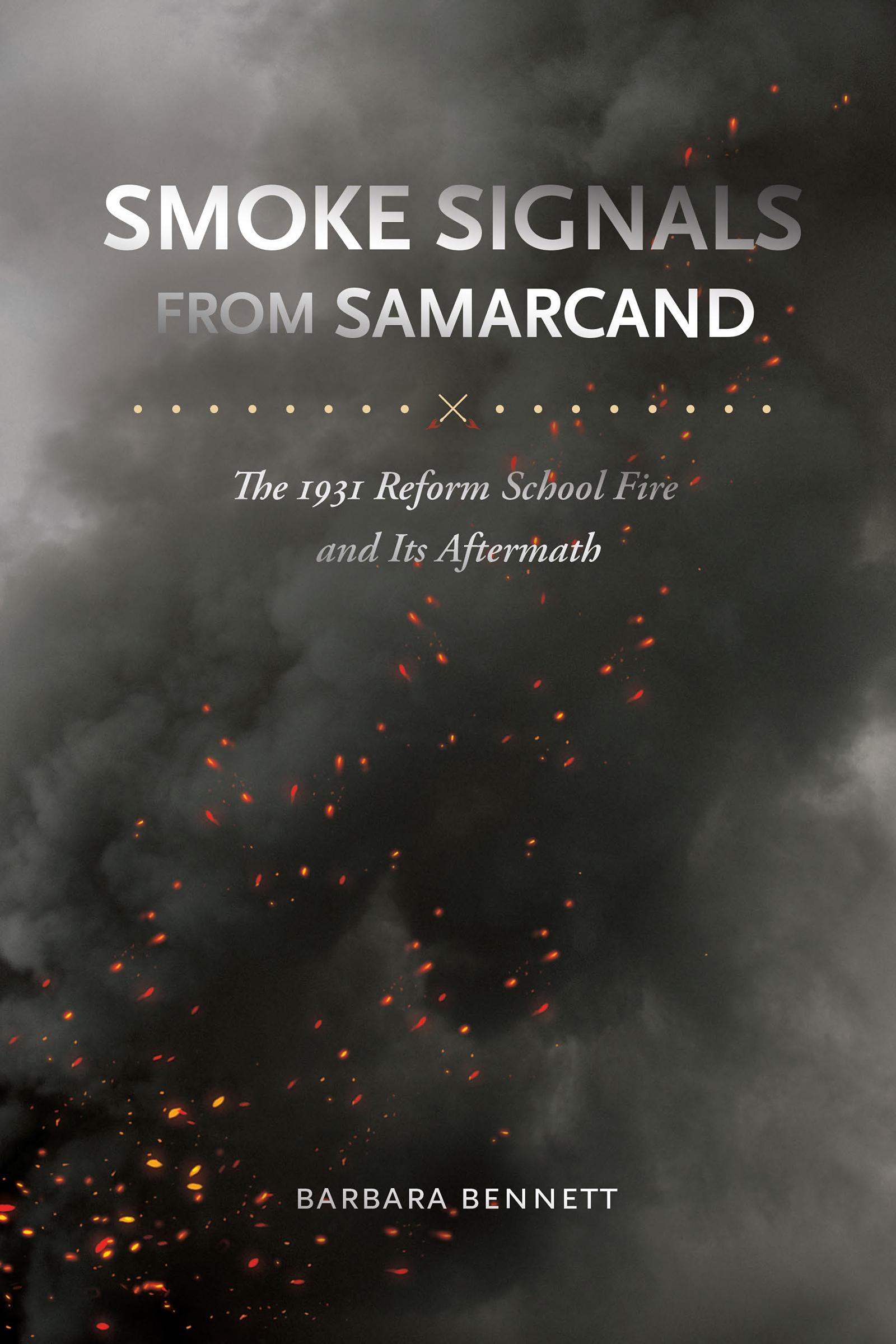
A case study and dramatic retelling of young girls on trial for arson at a reform school
In 1931 sixteen poor, white girls—all teenaged inmates at Samarcand Manor, officially named the State Home and Industrial School for Girls, in Samarcand, North Carolina—were accused of burning down two campus buildings in protest against living conditions. Barbara Bennett offers not only a dramatic retelling of this historic case in Smoke Signals from Samarcand, but also reveals a case study of the misguided social engineering schemes—fraught with racism, classism, and sexual stereotypes—that churned through North Carolina and other southern states during this time.
The girls, who became known as the "Samarcand Sixteen," were described by administrators and the media as incorrigible and troublesome. Bennett additionally reveals their grim backgrounds and details the harsh disciplinary methods, including savage whippings, that were dispensed at Samarcand and other reform schools in the early twentieth century. Arson was a capital offense in North Carolina at the time, and the girls were put on trial for their lives.
The sensational trial took place in the midst of a strong eugenics movement that was sweeping the state and the South. The girls' newly minted lawyer, Nell Battle Lewis, argued that the treatment the girls endured at Samarcand had forced them to take drastic action and therefore should result in lenient sentences. Instead the state of North Carolina used bogus "scientific" theories—such as "bad blood genetics"—to create legal policy and criminal justice practices that were heavily prejudiced against powerless people, particularly girls and women.
In the end the girls received sentences of eighteen months to five years in the state penitentiary, although the trial and its publicity did lead to improvements in the physical conditions and disciplinary methods at Samarcand and other juvenile facilities in North Carolina.
Before Memmo my notes were scattered across PDFs. Now a workspace pulls everything into one place — I see exactly what's still left to study.
Memmo's summaries are gold before exams. I don't have to re-read 800 pages two weeks before — just the important parts.
The AI chat has saved me the night before an exam more than once. I just keep asking until I get it — no waiting on a study group to reply.
The quizzes hit exactly what I need to know. Memmo tracks what I get stuck on — so I only practice what's worth it.
Flashcards with spaced repetition are magic. Memmo knows when I'm about to forget something and brings it back.
The AI podcasts are my favorite. I listen on my way to school and get a recap without sitting at a computer.

Handbok i kvalitativa metoder
281 kr

Hållbar utveckling: en introduktion för ingenjörer och andra problemlösare
334 kr

Brymans Samhällsvetenskapliga metoder
390 kr

Projektledning
491 kr

Den orättvisa hälsan: om socioekonomiska skillnader i hälsa och livslängd
326 kr

Vetenskapsteori för nybörjare
196 kr

Organizational Leadership
429 kr

På väg mot läraryrket
172 kr

Det sociala livet i skolan: Socialpsykologiska perspektiv
253 kr

Betygsättningens didaktik
151 kr

Personality
402 kr

Studying Leadership
404 kr

Managing Innovation
477 kr

Introduktion till samhällsvetenskaplig metod
347 kr

The Psychology of Sex and Gender
698 kr

Evidens och kunskap för socialt arbete
207 kr

Introduction to Leadership
605 kr