
Before Memmo my notes were scattered across PDFs. Now a workspace pulls everything into one place — I see exactly what's still left to study.
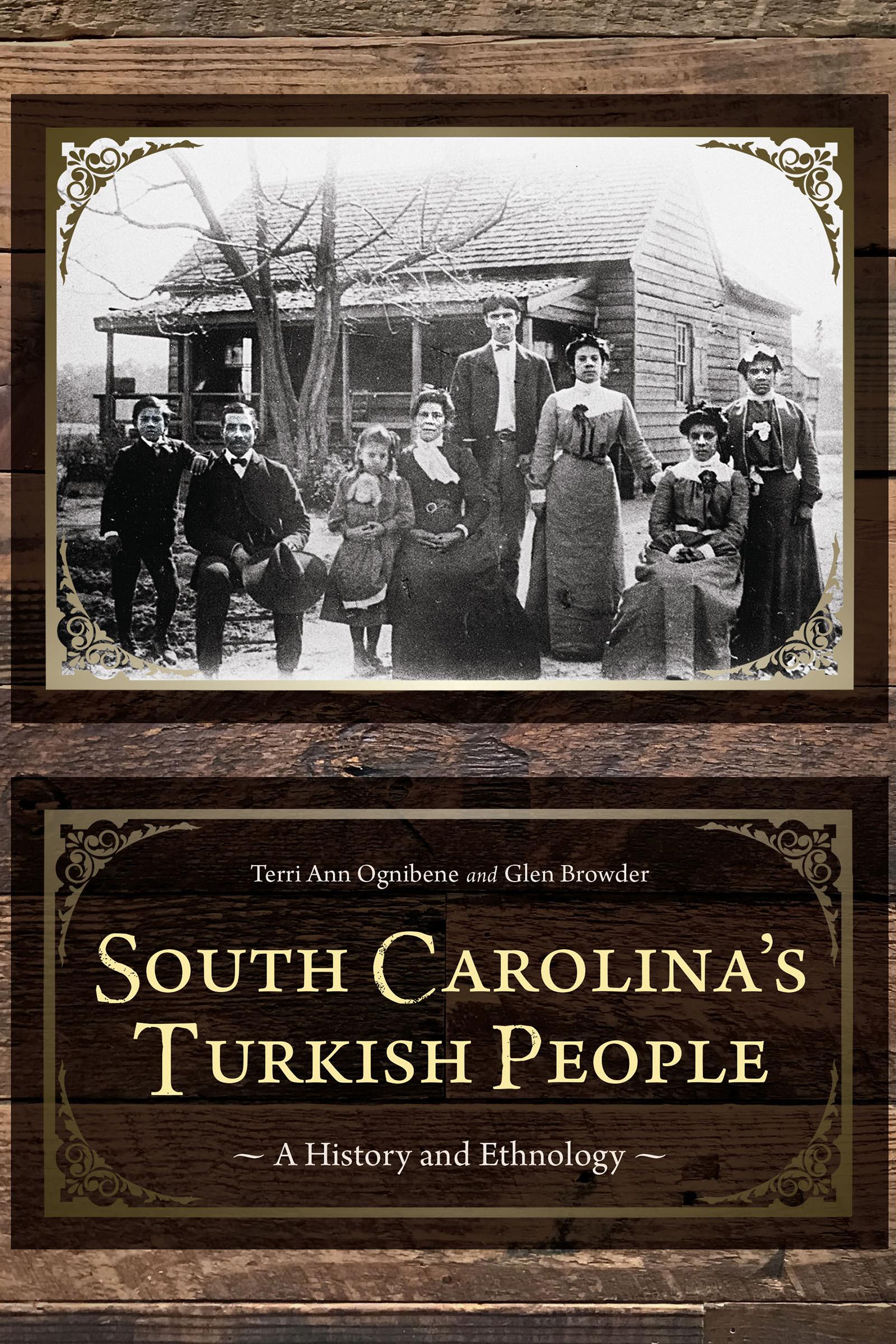
The story of misunderstood immigrants and their struggle to gain recognition and acceptance in the rural South
Despite its reputation as a melting pot of ethnicities and races, the United States has a well-documented history of immigrants who have struggled through isolation, segregation, discrimination, oppression, and assimilation. South Carolina is home to one such group—known historically and derisively as "the Turks"—which can trace its oral history back to Joseph Benenhaley, an Ottoman refugee from Old World conflict. According to its traditional narrative, Benenhaley served with Gen. Thomas Sumter in the Revolutionary War. His dark-hued descendants lived insular lives in rural Sumter County for the next two centuries, and only in recent decades have they enjoyed the full blessings of the American experience.
Early scholars ignored the Turkish tale and labeled these people "tri-racial isolates" and later writers disparaged them as "so-called Turks." But members of the group persisted in claiming Turkish descent and living reclusively for generations. Now, in South Carolina's Turkish People, Terri Ann Ognibene and Glen Browder confirm the group's traditional narrative through exhaustive original research and oral interviews.
In search of definitive documentation, Browder combed through a long list of primary sources, including historical reports, public records, and private papers. He also devised new evidence, such as a reconstruction of Turkish lineage of the 1800s through genealogical analysis and genetic testing. Ognibene, a descendant of the state's Turkish population, conducted personal interviews with her relatives who had been in the community since the 1900s. They talked at length and passionately about their cultural identity, their struggle for equal rights, and the mixed benefits of assimilation. Ognibene's and Browder's findings are clear. South Carolina's Turkish people finally know and can celebrate their heritage.
Before Memmo my notes were scattered across PDFs. Now a workspace pulls everything into one place — I see exactly what's still left to study.
Memmo's summaries are gold before exams. I don't have to re-read 800 pages two weeks before — just the important parts.
The AI chat has saved me the night before an exam more than once. I just keep asking until I get it — no waiting on a study group to reply.
The quizzes hit exactly what I need to know. Memmo tracks what I get stuck on — so I only practice what's worth it.
Flashcards with spaced repetition are magic. Memmo knows when I'm about to forget something and brings it back.
The AI podcasts are my favorite. I listen on my way to school and get a recap without sitting at a computer.

Handbok i kvalitativa metoder
281 kr

Hållbar utveckling: en introduktion för ingenjörer och andra problemlösare
334 kr

Brymans Samhällsvetenskapliga metoder
390 kr

Projektledning
491 kr

Den orättvisa hälsan: om socioekonomiska skillnader i hälsa och livslängd
326 kr

Vetenskapsteori för nybörjare
196 kr

Organizational Leadership
429 kr

På väg mot läraryrket
172 kr

Det sociala livet i skolan: Socialpsykologiska perspektiv
253 kr

Betygsättningens didaktik
151 kr

Personality
402 kr

Studying Leadership
404 kr

Managing Innovation
477 kr

Introduktion till samhällsvetenskaplig metod
347 kr

The Psychology of Sex and Gender
698 kr

Evidens och kunskap för socialt arbete
207 kr

Introduction to Leadership
605 kr