
Before Memmo my notes were scattered across PDFs. Now a workspace pulls everything into one place — I see exactly what's still left to study.
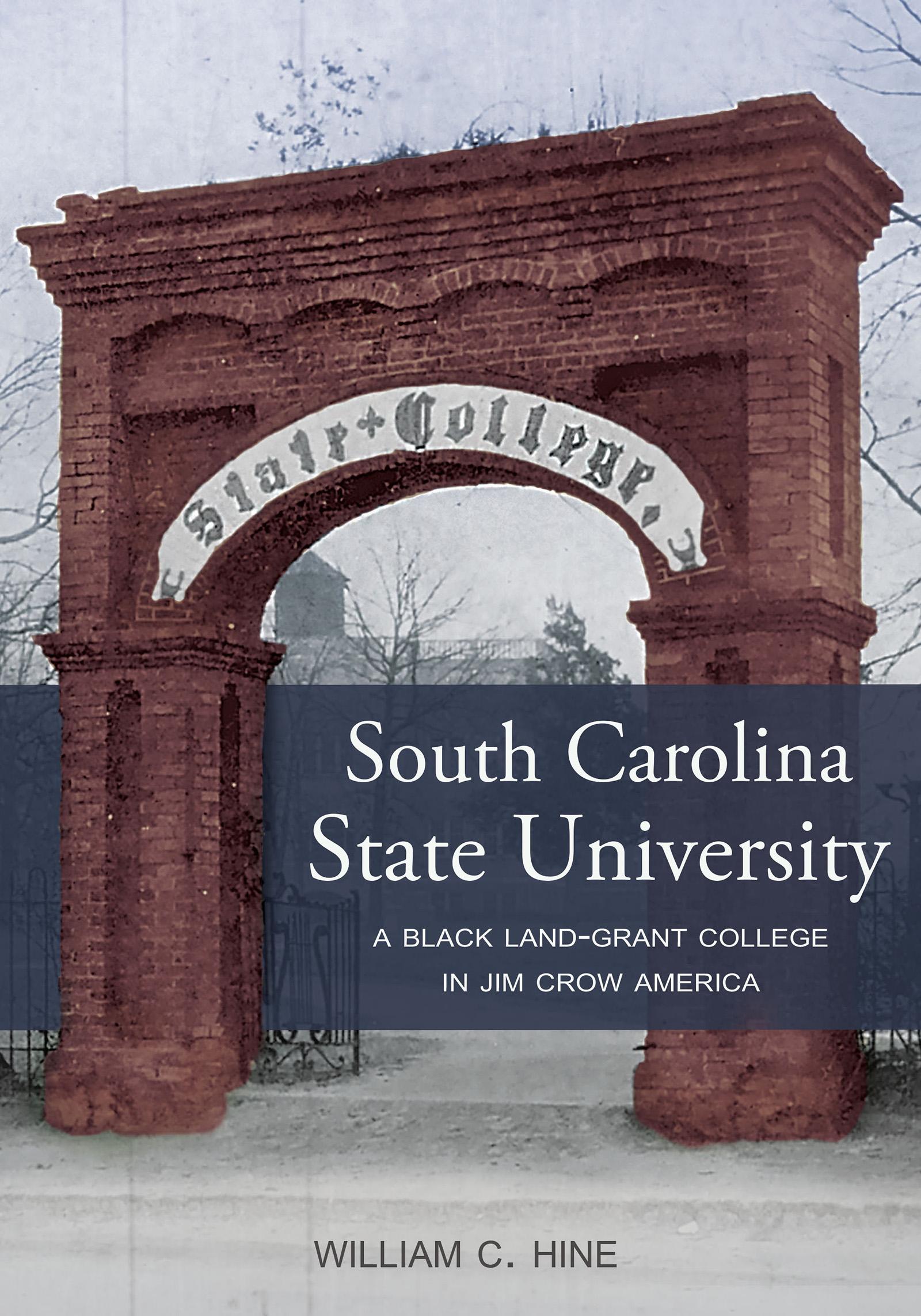
The turbulent history of one of South Carolina's historically black colleges and its significant role in the civil rights movement
Since its founding in 1896, South Carolina State University has provided vocational, undergraduate, and graduate education for generations of African Americans. Now the state's flagship historically black university, it achieved this recognition after decades of struggling against poverty, inadequate infrastructure and funding, and social and cultural isolation. In South Carolina State University: A Black Land-Grant College in Jim Crow America, William C. Hine examines South Carolina State's complicated start, its slow and long-overdue transition to a degree-granting university, and its significant role in advancing civil rights in the state and country.
A product of the state's "separate but equal" legislation, South Carolina State University was a hallmark of Jim Crow South Carolina. Black and white students were indeed provided separate colleges, but the institutions were in no way equal. When established, South Carolina State emphasized vocational and agricultural subjects as well as teacher training for black students while the University of South Carolina offered white students a broad range of higher-level academic and professional course work leading to a bachelor's degree.
Through the middle decades of the twentieth century, South Carolina State was an incubator for much of the civil rights activity in the state. The tragic Orangeburg massacre on February 8, 1968, occurred on its campus and resulted in the deaths of three students and the wounding of twenty-eight others. Using the university as a lens, Hine examines the state's history of race relations, poverty and progress, and the politics of higher education for whites and blacks from the Reconstruction era into the twenty-first century. Hine's work showcases what the institution has achieved as well as what was required for the school to achieve the parity it was once promised.
This fascinating account is replete with revealing anecdotes, more than sixty photographs and illustrations, and a cast of famous figures including Benjamin R. Tillman, Coleman Blease, Benjamin E. Mays, Marian Birnie Wilkinson, Mary McLeod Bethune, Modjeska Simkins, Strom Thurmond, Essie Mae Washington Williams, James F. Byrnes, John Foster Dulles, James E. Clyburn, and Willie Jeffries.
Before Memmo my notes were scattered across PDFs. Now a workspace pulls everything into one place — I see exactly what's still left to study.
Memmo's summaries are gold before exams. I don't have to re-read 800 pages two weeks before — just the important parts.
The AI chat has saved me the night before an exam more than once. I just keep asking until I get it — no waiting on a study group to reply.
The quizzes hit exactly what I need to know. Memmo tracks what I get stuck on — so I only practice what's worth it.
Flashcards with spaced repetition are magic. Memmo knows when I'm about to forget something and brings it back.
The AI podcasts are my favorite. I listen on my way to school and get a recap without sitting at a computer.

Handbok i kvalitativa metoder
281 kr

Hållbar utveckling: en introduktion för ingenjörer och andra problemlösare
334 kr

Brymans Samhällsvetenskapliga metoder
390 kr

Projektledning
491 kr

Den orättvisa hälsan: om socioekonomiska skillnader i hälsa och livslängd
326 kr

Vetenskapsteori för nybörjare
196 kr

Organizational Leadership
429 kr

På väg mot läraryrket
172 kr

Det sociala livet i skolan: Socialpsykologiska perspektiv
253 kr

Betygsättningens didaktik
151 kr

Personality
402 kr

Studying Leadership
404 kr

Managing Innovation
477 kr

Introduktion till samhällsvetenskaplig metod
347 kr

The Psychology of Sex and Gender
698 kr

Evidens och kunskap för socialt arbete
207 kr

Introduction to Leadership
605 kr