
Before Memmo my notes were scattered across PDFs. Now a workspace pulls everything into one place — I see exactly what's still left to study.
An examination of the peaceful reconciliation process that reunited a war-torn state and country
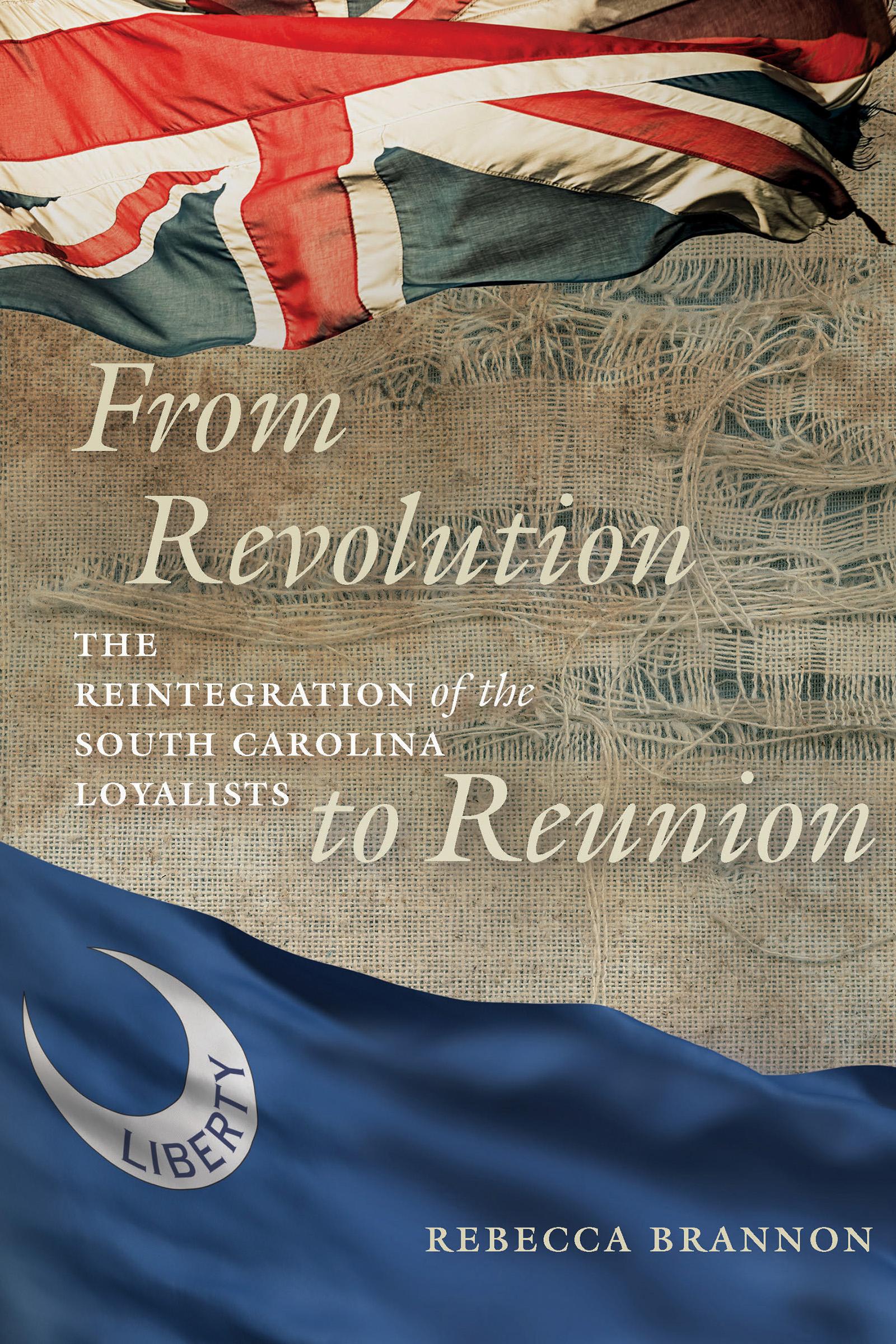
The American Revolution was a vicious civil war fought between families and neighbors. Nowhere was this truer than in South Carolina. Yet, after the Revolution, South Carolina's victorious Patriots offered vanquished Loyalists a prompt and generous legal and social reintegration. From Revolution to Reunion investigates the way in which South Carolinians, Patriot and Loyalist, managed to reconcile their bitter differences and reunite to heal South Carolina and create a stable foundation for the new United States to become a political and economic leader.
Rebecca Brannon considers rituals and emotions, as well as historical memory, to produce a complex and nuanced interpretation of the reconciliation process in post-Revolutionary South Carolina, detailing how Loyalists and Patriots worked together to heal their society. She frames the process in a larger historical context by comparing South Carolina's experience with that of other states.
Brannon highlights how Loyalists apologized but also went out of their way to serve their neighbors and to make themselves useful, even vital, members of the new experiment in self-government and liberty ushered in by the Revolution. Loyalists built on existing social ties to establish themselves in the new Republic, and they did it successfully.
By 1784 the state government reinstated almost all the Loyalists who had stayed, as the majority of Loyalists had reinscribed themselves into the postwar nation. Brannon argues that South Carolinians went on to manipulate the way they talked about Loyalism in public to guarantee that memories would not be allowed to disturb the peaceful reconciliation they had created. South Carolinians succeeded in creating a generous and lasting reconciliation between former enemies, but in the process they unfortunately downplayed the dangers of civil war—which may have made it easier for South Carolinians to choose another civil war.
Before Memmo my notes were scattered across PDFs. Now a workspace pulls everything into one place — I see exactly what's still left to study.
Memmo's summaries are gold before exams. I don't have to re-read 800 pages two weeks before — just the important parts.
The AI chat has saved me the night before an exam more than once. I just keep asking until I get it — no waiting on a study group to reply.
The quizzes hit exactly what I need to know. Memmo tracks what I get stuck on — so I only practice what's worth it.
Flashcards with spaced repetition are magic. Memmo knows when I'm about to forget something and brings it back.
The AI podcasts are my favorite. I listen on my way to school and get a recap without sitting at a computer.

Handbok i kvalitativa metoder
281 kr

Hållbar utveckling: en introduktion för ingenjörer och andra problemlösare
334 kr

Brymans Samhällsvetenskapliga metoder
390 kr

Projektledning
491 kr

Den orättvisa hälsan: om socioekonomiska skillnader i hälsa och livslängd
326 kr

Vetenskapsteori för nybörjare
196 kr

Organizational Leadership
429 kr

På väg mot läraryrket
172 kr

Det sociala livet i skolan: Socialpsykologiska perspektiv
253 kr

Betygsättningens didaktik
151 kr

Personality
402 kr

Studying Leadership
404 kr

Managing Innovation
477 kr

Introduktion till samhällsvetenskaplig metod
347 kr

The Psychology of Sex and Gender
698 kr

Evidens och kunskap för socialt arbete
207 kr

Introduction to Leadership
605 kr