
Before Memmo my notes were scattered across PDFs. Now a workspace pulls everything into one place — I see exactly what's still left to study.
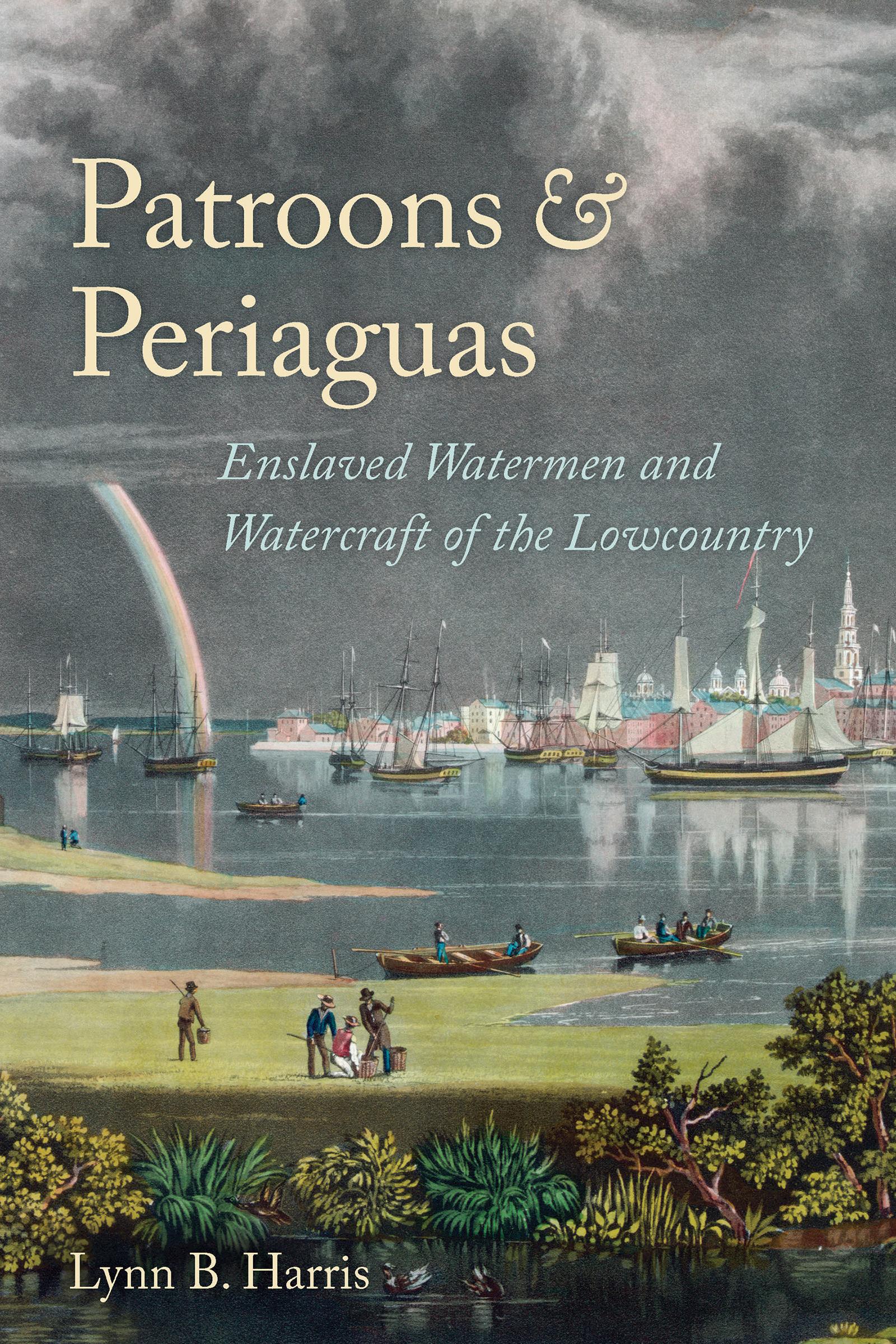
An exploration of the impact of ethnically diverse enslaved watermen on the maritime history of the New World
Patroons and Periaguas explores the intricately interwoven and colorful creole maritime legacy of Native Americans, Africans, enslaved and free African Americans, and Europeans who settled along the rivers and coastline near the bourgeoning colonial port city of Charleston, South Carolina.
Colonial South Carolina, from a European perspective, was a water-filled world where boatmen of diverse ethnicities adopted and adapted maritime skills learned from local experiences or imported from Africa and the Old World to create a New World society and culture. Lynn B. Harris describes how they crewed together in galleys as an ad hoc colonial navy guarding settlements on the Edisto, Kiawah, and Savannah Rivers, rowed and raced plantation log boats called periaguas, fished for profits, and worked side by side as laborers in commercial shipyards building sailing ships for the Atlantic coastal trade, the Caribbean islands, and Europe. Watercraft were of paramount importance for commercial transportation and travel, and the skilled people who built and operated them were a distinctive class in South Carolina.
Enslaved patroons (boat captains) and their crews provided an invaluable service to planters, who had to bring their staple products—rice, indigo, deerskins, and cotton—to market, but they were also purveyors of information for networks of rebellious communications and illicit trade. Harris employs historical records, visual images, and a wealth of archaeological evidence embedded in marshes, underwater on riverbeds, or exhibited in local museums to illuminate clues and stories surrounding these interactions and activities. A pioneering underwater archaeologist, she brings sources and personal experience to bear as she weaves vignettes of the ongoing process of different peoples adapting to each other and their new world that is central to our understanding of the South Carolina maritime landscape.
Before Memmo my notes were scattered across PDFs. Now a workspace pulls everything into one place — I see exactly what's still left to study.
Memmo's summaries are gold before exams. I don't have to re-read 800 pages two weeks before — just the important parts.
The AI chat has saved me the night before an exam more than once. I just keep asking until I get it — no waiting on a study group to reply.
The quizzes hit exactly what I need to know. Memmo tracks what I get stuck on — so I only practice what's worth it.
Flashcards with spaced repetition are magic. Memmo knows when I'm about to forget something and brings it back.
The AI podcasts are my favorite. I listen on my way to school and get a recap without sitting at a computer.

Handbok i kvalitativa metoder
281 kr

Hållbar utveckling: en introduktion för ingenjörer och andra problemlösare
334 kr

Brymans Samhällsvetenskapliga metoder
390 kr

Projektledning
491 kr

Den orättvisa hälsan: om socioekonomiska skillnader i hälsa och livslängd
326 kr

Organizational Leadership
429 kr

Vetenskapsteori för nybörjare
196 kr

På väg mot läraryrket
172 kr

Det sociala livet i skolan: Socialpsykologiska perspektiv
253 kr

Betygsättningens didaktik
151 kr

Personality
402 kr

Studying Leadership
404 kr

Managing Innovation
477 kr

Introduktion till samhällsvetenskaplig metod
347 kr

The Psychology of Sex and Gender
698 kr

Evidens och kunskap för socialt arbete
207 kr

Introduction to Leadership
605 kr