
Before Memmo my notes were scattered across PDFs. Now a workspace pulls everything into one place — I see exactly what's still left to study.
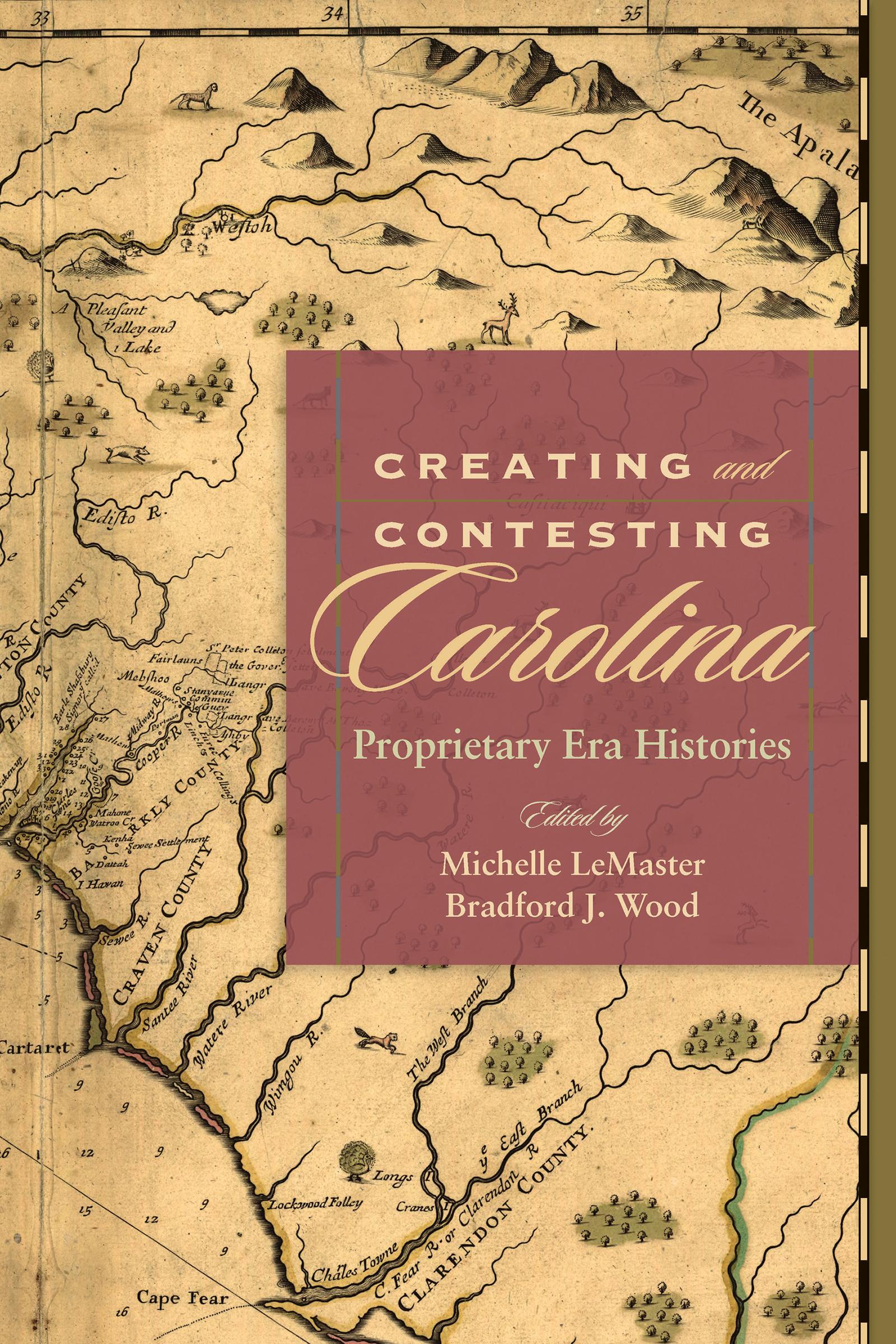
A collection of essays on European colonists, Native Americans, and enslaved Africans addresses change in Carolina
The essays in Creating and Contesting Carolina shed new light on how the various peoples of the Carolinas responded to the tumultuous changes shaping the geographic space that the British called Carolina during the Proprietary period (1663-1719). In doing so, the essays focus attention on some of the most important and dramatic watersheds in the history of British colonization in the New World.
These years brought challenging and dramatic changes to the region, such as the violent warfare between British and Native Americans or British and Spanish, the no-less dramatic development of the plantation system, and the decline of proprietary authority. All involved contestation, whether through violence or debate. The very idea of a place called Carolina was challenged by Native Americans, and many colonists and metropolitan authorities differed in their visions for Carolina. The stakes were high in these contests because they occurred in an early American world often characterized by brutal warfare, rigid hierarchies, enslavement, cultural dislocation, and transoceanic struggles for power.
While Native Americans and colonists shed each other's blood to define the territory on their terms, colonists and officials built their own version of Carolina on paper and in the discourse of early modern empires. But new tensions also provided a powerful incentive for political and economic creativity. The peoples of the early Carolinas reimagined places, reconceptualized cultures, realigned their loyalties, and adapted in a wide variety of ways to the New World.
Three major groups of peoples—European colonists, Native Americans, and enslaved Africans—shared these experiences of change in the Carolinas, but their histories have usually been written separately. These disparate but closely related strands of scholarship must be connected to make the early Carolinas intelligible. Creating and Contesting Carolina brings together work relating to all three groups in this unique collection.
Before Memmo my notes were scattered across PDFs. Now a workspace pulls everything into one place — I see exactly what's still left to study.
Memmo's summaries are gold before exams. I don't have to re-read 800 pages two weeks before — just the important parts.
The AI chat has saved me the night before an exam more than once. I just keep asking until I get it — no waiting on a study group to reply.
The quizzes hit exactly what I need to know. Memmo tracks what I get stuck on — so I only practice what's worth it.
Flashcards with spaced repetition are magic. Memmo knows when I'm about to forget something and brings it back.
The AI podcasts are my favorite. I listen on my way to school and get a recap without sitting at a computer.

Handbok i kvalitativa metoder
281 kr

Hållbar utveckling: en introduktion för ingenjörer och andra problemlösare
334 kr

Brymans Samhällsvetenskapliga metoder
390 kr

Projektledning
491 kr

Den orättvisa hälsan: om socioekonomiska skillnader i hälsa och livslängd
326 kr

Organizational Leadership
429 kr

Vetenskapsteori för nybörjare
196 kr

På väg mot läraryrket
172 kr

Det sociala livet i skolan: Socialpsykologiska perspektiv
253 kr

Betygsättningens didaktik
151 kr

Personality
402 kr

Studying Leadership
404 kr

Managing Innovation
477 kr

Introduktion till samhällsvetenskaplig metod
347 kr

The Psychology of Sex and Gender
698 kr

Evidens och kunskap för socialt arbete
207 kr

Introduction to Leadership
605 kr