
Before Memmo my notes were scattered across PDFs. Now a workspace pulls everything into one place — I see exactly what's still left to study.
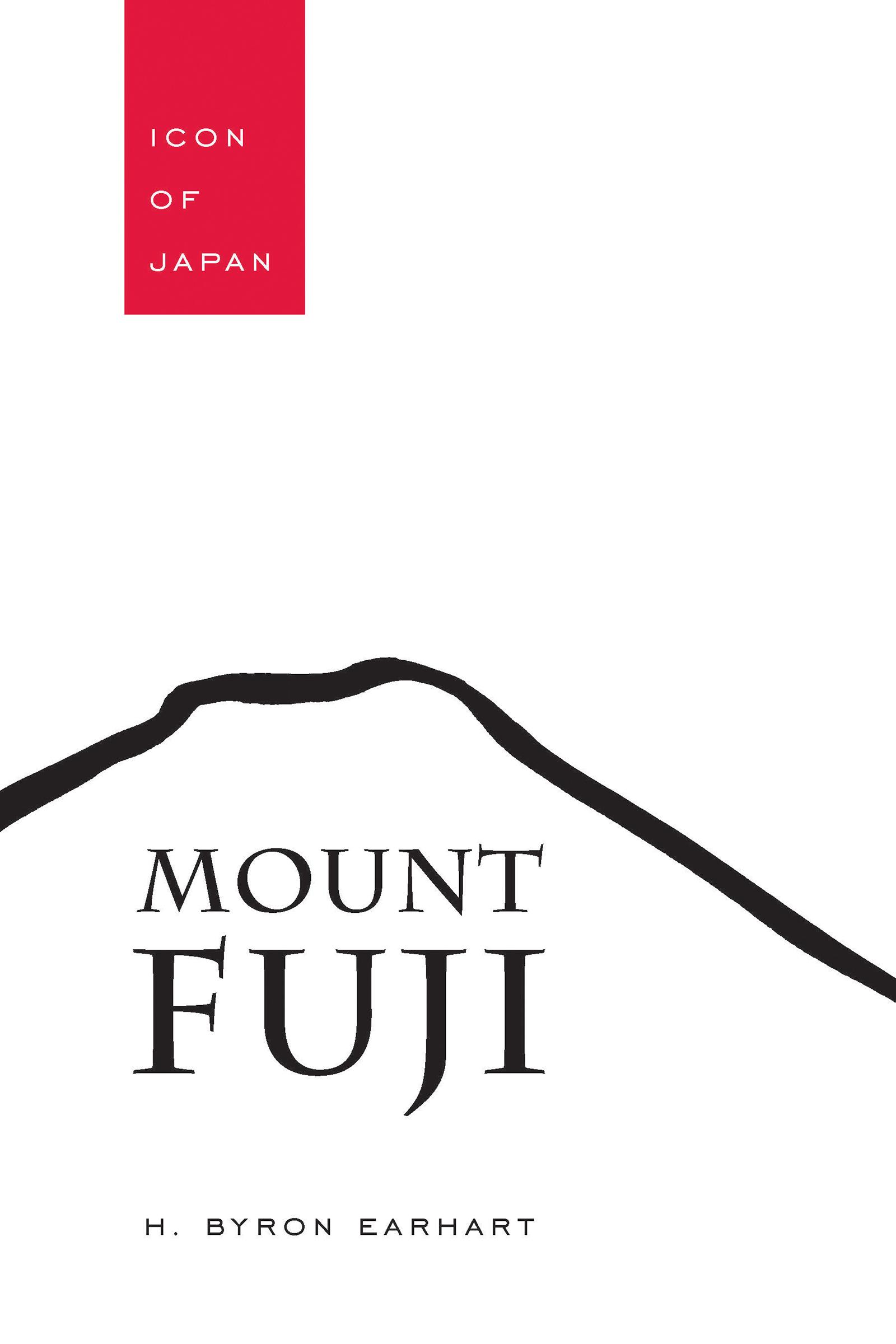
The first comprehensive English-language study of the evolving religious and aesthetic symbolism of the world's most famous mountain
Illustrated with color and black-and-white images of the mountain and its associated religious practices, H. Byron Earhart's study utilizes his decades of fieldwork—including climbing Fuji with three pilgrimage groups—and his research into Japanese and Western sources to offer a comprehensive overview of the evolving imagery of Mount Fuji from ancient times to the present day. Included in the book is a link to his twenty-eight minute streaming video documentary of Fuji pilgrimage and practice, Fuji: Sacred Mountain of Japan.
Beginning with early reflections on the beauty and power associated with the mountain in medieval Japanese literature, Earhart examines how these qualities fostered spiritual practices such as Shugendo, which established rituals and a temple complex at the mountain as a portal to an ascetic otherworld. As a focus of worship, the mountain became a source of spiritual insight, rebirth, and prophecy through the practitioners Kakugyo and Jikigyo, whose teachings led to social movements such as Fujido (the way of Fuji) and to a variety of pilgrimage confraternities making images and replicas of the mountain for use in local rituals.
Earhart shows how the seventeenth-century commodification of Mount Fuji inspired powerful interpretive renderings of the "peerless" mountain of Japan, such as those of the nineteenth-century print masters Hiroshige and Hokusai, which were largely responsible for creating the international reputation of Mount Fuji. In the eighteenth and nineteenth centuries, images of Fuji served as an expression of a unique and superior Japanese culture. With its distinctive shape firmly embedded in Japanese culture but its ethical, ritual, and spiritual associations made malleable over time, Mount Fuji came to symbolize ultranationalistic ambitions in the 1930s and early 1940s, peacetime democracy as early as 1946, and a host of artistic, naturalistic, and commercial causes, even the exotic and erotic, in the decades since.
Before Memmo my notes were scattered across PDFs. Now a workspace pulls everything into one place — I see exactly what's still left to study.
Memmo's summaries are gold before exams. I don't have to re-read 800 pages two weeks before — just the important parts.
The AI chat has saved me the night before an exam more than once. I just keep asking until I get it — no waiting on a study group to reply.
The quizzes hit exactly what I need to know. Memmo tracks what I get stuck on — so I only practice what's worth it.
Flashcards with spaced repetition are magic. Memmo knows when I'm about to forget something and brings it back.
The AI podcasts are my favorite. I listen on my way to school and get a recap without sitting at a computer.

Handbok i kvalitativa metoder
281 kr

Hållbar utveckling: en introduktion för ingenjörer och andra problemlösare
334 kr

Brymans Samhällsvetenskapliga metoder
390 kr

Projektledning
491 kr

Den orättvisa hälsan: om socioekonomiska skillnader i hälsa och livslängd
326 kr

Vetenskapsteori för nybörjare
196 kr

Organizational Leadership
429 kr

På väg mot läraryrket
172 kr

Det sociala livet i skolan: Socialpsykologiska perspektiv
253 kr

Betygsättningens didaktik
151 kr

Personality
402 kr

Studying Leadership
404 kr

Managing Innovation
477 kr

Introduktion till samhällsvetenskaplig metod
347 kr

The Psychology of Sex and Gender
698 kr

Evidens och kunskap för socialt arbete
207 kr

Introduction to Leadership
605 kr