
Before Memmo my notes were scattered across PDFs. Now a workspace pulls everything into one place — I see exactly what's still left to study.
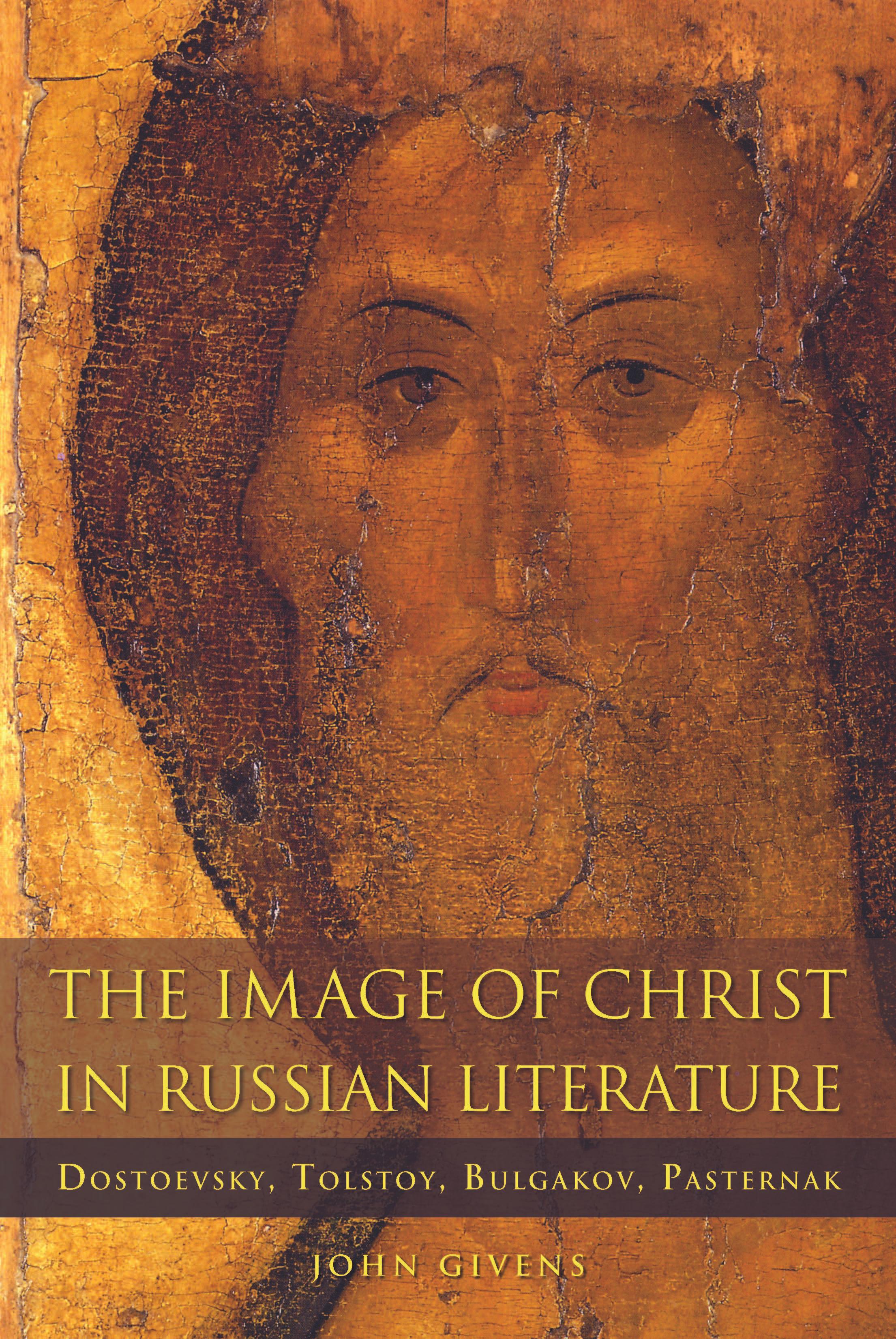
Vladimir Nabokov complained about the number of Dostoevsky's characters "sinning their way to Jesus." In truth, Christ is an elusive figure not only in Dostoevsky's novels, but in Russian literature as a whole. The rise of the historical critical method of biblical criticism in the nineteenth century and the growth of secularism it stimulated made an earnest affirmation of Jesus in literature highly problematic. If they affirmed Jesus too directly, writers paradoxically risked diminishing him, either by deploying faith explanations that no longer persuade in an age of skepticism or by reducing Christ to a mere argument in an ideological dispute. The writers at the heart of this study understood that to reimage Christ for their age, they had to make him known through indirect, even negative ways, lest what they say about him be mistaken for cliché, doctrine, or naïve apologetics. The Christology of Dostoevsky, Leo Tolstoy, Mikhail Bulgakov, and Boris Pasternak is thus apophatic because they deploy negative formulations (saying what God is not) in their writings about Jesus. Professions of atheism in Dostoevsky and Tolstoy's non-divine Jesus are but separate negative paths toward truer discernment of Christ. This first study in English of the image of Christ in Russian literature highlights the importance of apophaticism as a theological practice and a literary method in understanding the Russian Christ. It also emphasizes the importance of skepticism in Russian literary attitudes toward Jesus on the part of writers whose private crucibles of doubt produced some of the most provocative and enduring images of Christ in world literature. This important study will appeal to scholars and students of Orthodox Christianity and Russian literature, as well as educated general readers interested in religion and nineteenth-century Russian novels.
Before Memmo my notes were scattered across PDFs. Now a workspace pulls everything into one place — I see exactly what's still left to study.
Memmo's summaries are gold before exams. I don't have to re-read 800 pages two weeks before — just the important parts.
The AI chat has saved me the night before an exam more than once. I just keep asking until I get it — no waiting on a study group to reply.
The quizzes hit exactly what I need to know. Memmo tracks what I get stuck on — so I only practice what's worth it.
Flashcards with spaced repetition are magic. Memmo knows when I'm about to forget something and brings it back.
The AI podcasts are my favorite. I listen on my way to school and get a recap without sitting at a computer.

Handbok i kvalitativa metoder
281 kr

Hållbar utveckling: en introduktion för ingenjörer och andra problemlösare
334 kr

Brymans Samhällsvetenskapliga metoder
390 kr

Projektledning
491 kr

Den orättvisa hälsan: om socioekonomiska skillnader i hälsa och livslängd
326 kr

Vetenskapsteori för nybörjare
196 kr

Organizational Leadership
429 kr

På väg mot läraryrket
172 kr

Det sociala livet i skolan: Socialpsykologiska perspektiv
253 kr

Betygsättningens didaktik
151 kr

Personality
402 kr

Studying Leadership
404 kr

Managing Innovation
477 kr

Introduktion till samhällsvetenskaplig metod
347 kr

The Psychology of Sex and Gender
698 kr

Evidens och kunskap för socialt arbete
207 kr

Introduction to Leadership
605 kr