
Before Memmo my notes were scattered across PDFs. Now a workspace pulls everything into one place — I see exactly what's still left to study.
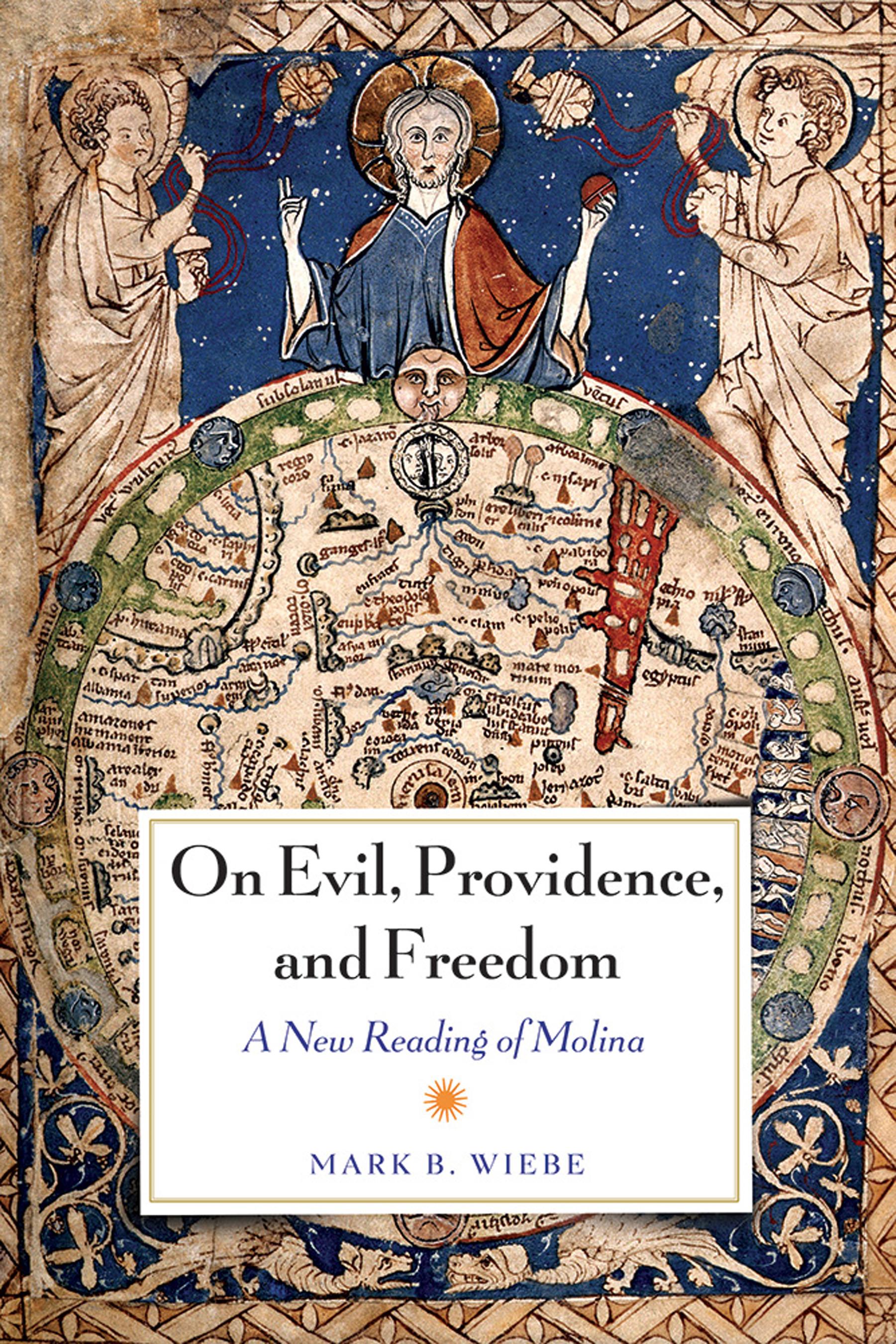
This original study is concerned with the reconciliation of divine providence, grace, and free will. Mark Wiebe explores, develops, and defends Luis de Molina's work in these areas, and bridges the main sixteenth-century conversations surrounding Molina's writings with relevant sets of arguments in contemporary philosophical theology and philosophy of religion. The result fills a gap between theologians and philosophers working in related areas of study and is a unique contribution to the field of analytic theology. Wiebe begins by sketching the historical and theological context from which Molina's work emerged in the late sixteenth century. He then lays out Thomas Aquinas's understanding of God's nature and activity, as well as his understanding of the relationship between God's action and creaturely activity. In the face of challenges like the Problem of Evil, Wiebe argues, Molina's work is a helpful supplement to Aquinas's thought. Turning to direct consideration of Molina's work, Wiebe responds to several of the most well-known objections to Molinism. In support of Molina's understanding of creaturely freedom, he then develops some twentieth-century work in free will philosophy, focusing on the work of thinkers like Austin Farrer, Timothy O'Connor, and Robert Kane. He argues that there are good reasons to defend a restrained version of libertarian or noncompatibilist free will, and also good reasons to believe this sort of freedom obtains among human agents. Wiebe concludes that a Molinistic revision of Eleonore Stump's work on the relationship between providence and free will provides a well-rounded, coherent theological option for reconciling divine providence, grace, and free will. This thoughtful study will appeal to theologians and philosophers, as well as educated readers with a basic knowledge of Christian theology.
Before Memmo my notes were scattered across PDFs. Now a workspace pulls everything into one place — I see exactly what's still left to study.
Memmo's summaries are gold before exams. I don't have to re-read 800 pages two weeks before — just the important parts.
The AI chat has saved me the night before an exam more than once. I just keep asking until I get it — no waiting on a study group to reply.
The quizzes hit exactly what I need to know. Memmo tracks what I get stuck on — so I only practice what's worth it.
Flashcards with spaced repetition are magic. Memmo knows when I'm about to forget something and brings it back.
The AI podcasts are my favorite. I listen on my way to school and get a recap without sitting at a computer.

Handbok i kvalitativa metoder
281 kr

Hållbar utveckling: en introduktion för ingenjörer och andra problemlösare
334 kr

Brymans Samhällsvetenskapliga metoder
390 kr

Projektledning
491 kr

Den orättvisa hälsan: om socioekonomiska skillnader i hälsa och livslängd
326 kr

Organizational Leadership
429 kr

Vetenskapsteori för nybörjare
196 kr

På väg mot läraryrket
172 kr

Det sociala livet i skolan: Socialpsykologiska perspektiv
253 kr

Betygsättningens didaktik
151 kr

Personality
402 kr

Studying Leadership
404 kr

Managing Innovation
477 kr

Introduktion till samhällsvetenskaplig metod
347 kr

The Psychology of Sex and Gender
698 kr

Evidens och kunskap för socialt arbete
207 kr

Introduction to Leadership
605 kr