
Before Memmo my notes were scattered across PDFs. Now a workspace pulls everything into one place — I see exactly what's still left to study.
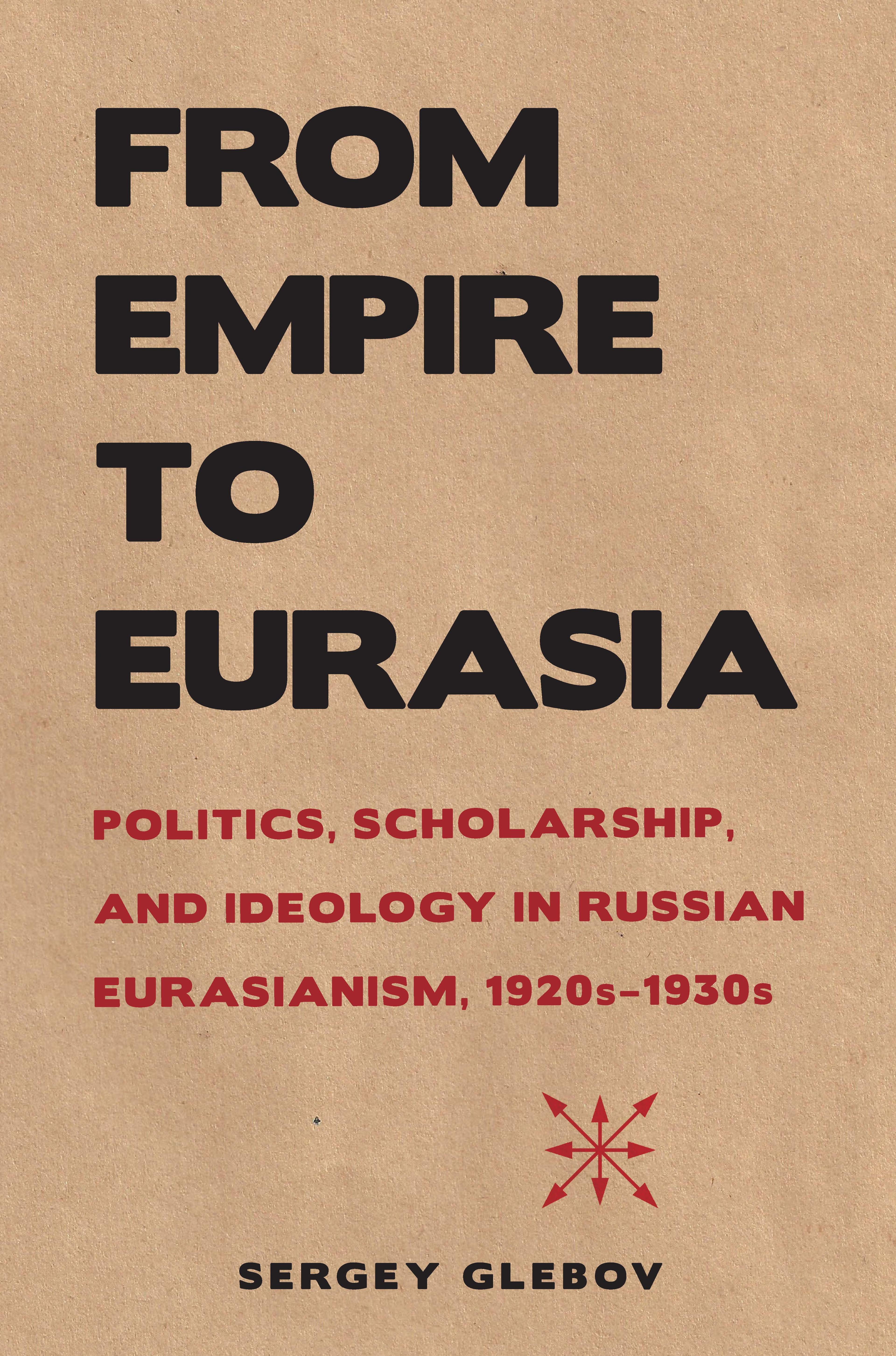
The Eurasianist movement was launched in the 1920s by a group of young Russian émigrés who had recently emerged from years of fighting and destruction. Drawing on the cultural fermentation of Russian modernism in the arts and literature, as well as in politics and scholarship, the movement sought to reimagine the former imperial space in the wake of Europe's Great War. The Eurasianists argued that as an heir to the nomadic empires of the steppes, Russia should follow a non-European path of development. In the context of rising Nazi and Soviet powers, the Eurasianists rejected liberal democracy and sought alternatives to Communism and capitalism. Deeply connected to the Russian cultural and scholarly milieus, Eurasianism played a role in the articulation of the structuralist paradigm in interwar Europe. However, the movement was not as homogenous as its name may suggest. Its founders disagreed on a range of issues and argued bitterly about what weight should be accorded to one or another idea in their overall conception of Eurasia. In this first English language history of the Eurasianist movement based on extensive archival research, Sergey Glebov offers a historically grounded critique of the concept of Eurasia by interrogating the context in which it was first used to describe the former Russian Empire. This definitive study will appeal to students and scholars of Russian and European history and culture.
Before Memmo my notes were scattered across PDFs. Now a workspace pulls everything into one place — I see exactly what's still left to study.
Memmo's summaries are gold before exams. I don't have to re-read 800 pages two weeks before — just the important parts.
The AI chat has saved me the night before an exam more than once. I just keep asking until I get it — no waiting on a study group to reply.
The quizzes hit exactly what I need to know. Memmo tracks what I get stuck on — so I only practice what's worth it.
Flashcards with spaced repetition are magic. Memmo knows when I'm about to forget something and brings it back.
The AI podcasts are my favorite. I listen on my way to school and get a recap without sitting at a computer.

Handbok i kvalitativa metoder
281 kr

Hållbar utveckling: en introduktion för ingenjörer och andra problemlösare
334 kr

Brymans Samhällsvetenskapliga metoder
390 kr

Projektledning
491 kr

Den orättvisa hälsan: om socioekonomiska skillnader i hälsa och livslängd
326 kr

Organizational Leadership
429 kr

Vetenskapsteori för nybörjare
196 kr

På väg mot läraryrket
172 kr

Det sociala livet i skolan: Socialpsykologiska perspektiv
253 kr

Betygsättningens didaktik
151 kr

Personality
402 kr

Studying Leadership
404 kr

Managing Innovation
477 kr

Introduktion till samhällsvetenskaplig metod
347 kr

The Psychology of Sex and Gender
698 kr

Evidens och kunskap för socialt arbete
207 kr

Introduction to Leadership
605 kr