
Before Memmo my notes were scattered across PDFs. Now a workspace pulls everything into one place — I see exactly what's still left to study.
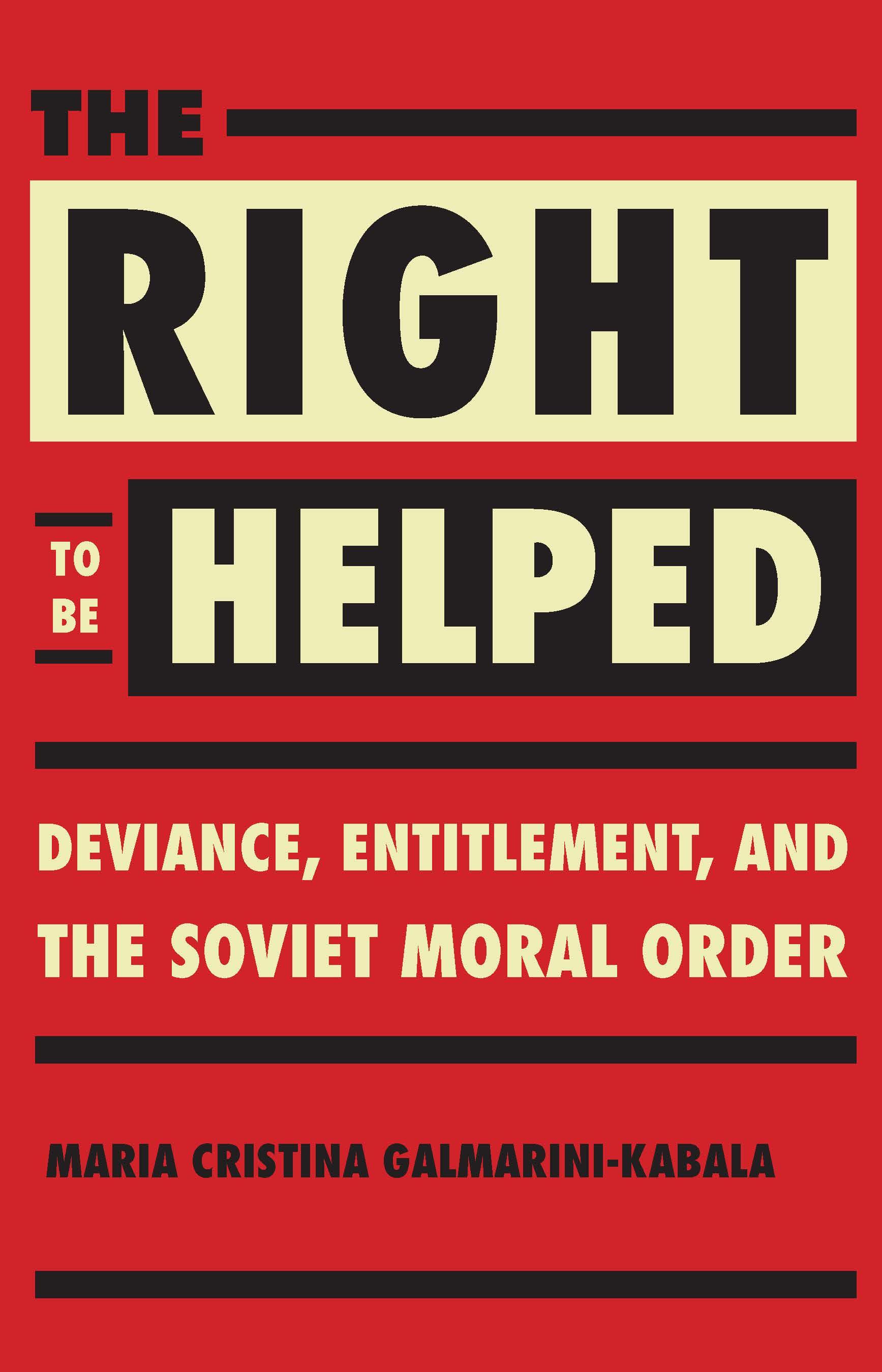
"Doesn't an educated person—simple and working, sick and with a sick child—doesn't she have the right to enjoy at least the crumbs at the table of the revolutionary feast?" Disabled single mother Maria Zolotova-Sologub raised this question in a petition dated July 1929 demanding medical assistance and a monthly subsidy for herself and her daughter. While the welfare of able-bodied and industrially productive people in the first socialist country in the world was protected by a state-funded insurance system, the social rights of labor-incapacitated and unemployed individuals such as Zolotova-Sologub were difficult to define and legitimize. The Right to Be Helped illuminates the ways in which marginalized members of Soviet society understood their social rights and articulated their moral expectations regarding the socialist state between 1917 and 1950.
Maria Galmarini-Kabala shows how definitions of state assistance and who was entitled to it provided a platform for policymakers and professionals to engage in heated debates about disability, gender, suffering, and productive and reproductive labor. She explores how authorities and experts reacted to requests for support, arguing that responses were sometimes characterized by an enlightened nature and other times by coercive discipline, but most frequently by a combination of the two. By focusing on the experiences of behaviorally problematic children, unemployed single mothers, and blind and deaf adults in several major urban centers, this important study shows that the dialogue over the right to be helped was central to defining the moral order of Soviet socialism. It will appeal to scholars and students of Russian history, as well as those interested in comparative disabilities and welfare studies.
Before Memmo my notes were scattered across PDFs. Now a workspace pulls everything into one place — I see exactly what's still left to study.
Memmo's summaries are gold before exams. I don't have to re-read 800 pages two weeks before — just the important parts.
The AI chat has saved me the night before an exam more than once. I just keep asking until I get it — no waiting on a study group to reply.
The quizzes hit exactly what I need to know. Memmo tracks what I get stuck on — so I only practice what's worth it.
Flashcards with spaced repetition are magic. Memmo knows when I'm about to forget something and brings it back.
The AI podcasts are my favorite. I listen on my way to school and get a recap without sitting at a computer.

Handbok i kvalitativa metoder
281 kr

Hållbar utveckling: en introduktion för ingenjörer och andra problemlösare
334 kr

Brymans Samhällsvetenskapliga metoder
390 kr

Projektledning
491 kr

Den orättvisa hälsan: om socioekonomiska skillnader i hälsa och livslängd
326 kr

Vetenskapsteori för nybörjare
196 kr

Organizational Leadership
429 kr

På väg mot läraryrket
172 kr

Det sociala livet i skolan: Socialpsykologiska perspektiv
253 kr

Betygsättningens didaktik
151 kr

Personality
402 kr

Studying Leadership
404 kr

Managing Innovation
477 kr

Introduktion till samhällsvetenskaplig metod
347 kr

The Psychology of Sex and Gender
698 kr

Evidens och kunskap för socialt arbete
207 kr

Introduction to Leadership
605 kr