
Before Memmo my notes were scattered across PDFs. Now a workspace pulls everything into one place — I see exactly what's still left to study.
It’s a physical thing. The hairs on the back on your arms stand up. You get goosebumps. There’s a tingling in your spine. Your heart is racing. Your eyes shine and all your senses are heightened: sights, sounds, smells are all more intense. Somebody brushes past you, skin on skin, and you feel sparks. Even the acrid rasp of tear gas at the back of your throat becomes addictive, whilst a sip of water has come from the purest mountain spring. You have an earnest conversation with the total stranger standing next to you and it feels completely normal. (Not something that happens too often in the checkout queue at the supermarket.) Everybody is more attractive. You can’t stop grinning. Fuck knows what endorphins your brain’s producing, but it feels great. Collectivity is visceral!
The first decade of the twenty-first century was marked by a series of global summits which seemed to assume ever-greater importance—from the WTO ministerial meeting in Seattle at the end of 1999, through the G8 summits at Genoa, Evian and Gleneagles, up to the United Nations Climate Change Conference (COP15) at Copenhagen in 2009.
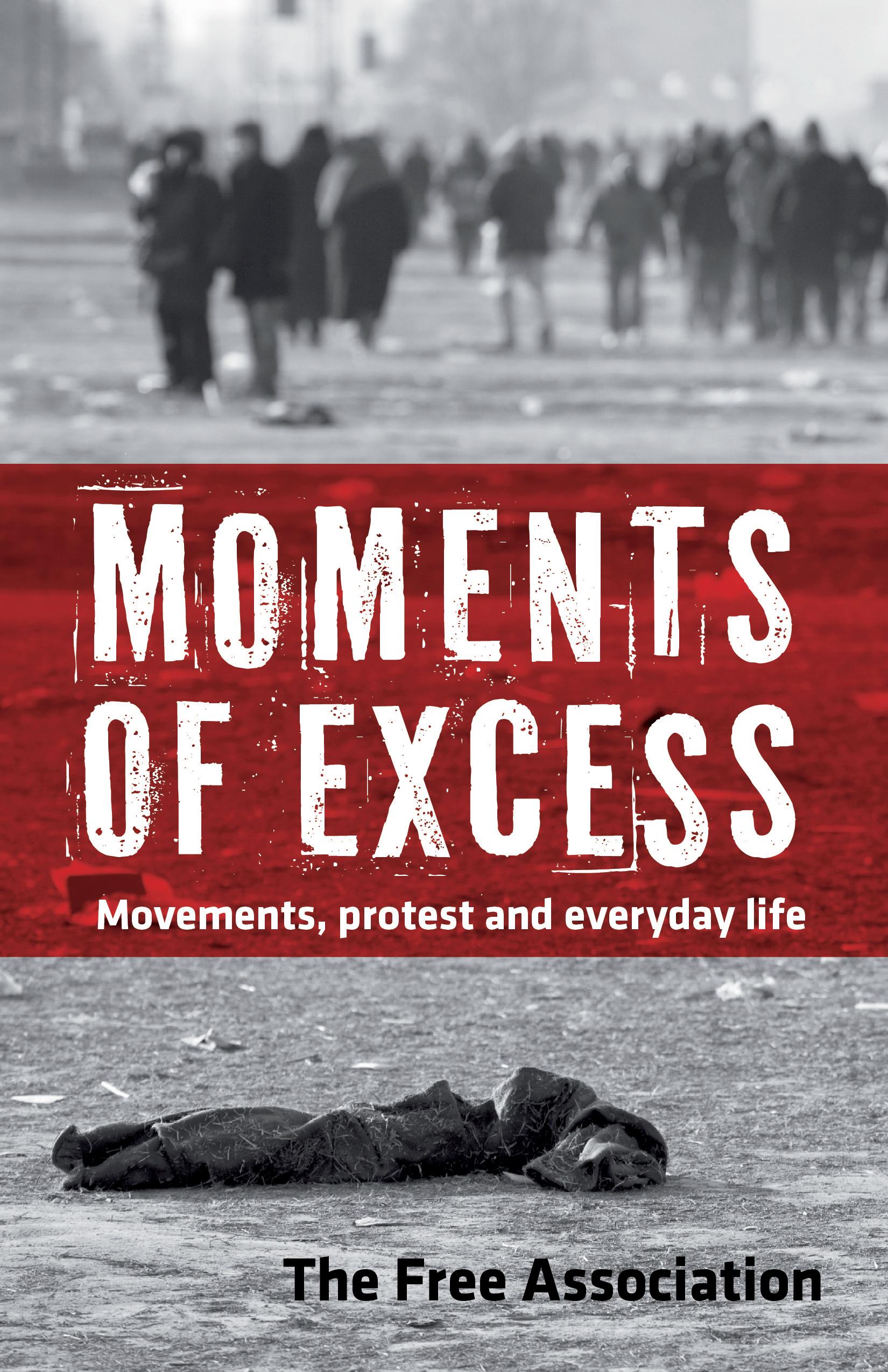
But these global summits did not pass uncontested. Alongside and against them, there unfolded a different version of globalization. Moments of Excess is a collection of texts which offer an insider analysis of this cycle of counter-summit mobilisations. It weaves lucid descriptions of the intensity of collective action into a more sober reflection on the developing problematics of the ‘movement of movements’. The collection examines essential questions concerning the character of anti-capitalist movements, and the very meaning of movement; the relationship between intensive collective experiences—‘moments of excess’—and ‘everyday life’; and the tensions between open, all-inclusive, ‘constitutive’ practices, on the one hand, and the necessity of closure, limits and antagonism, on the other.
Moments of Excess includes a new introduction explaining the origin of the texts and their relation to event-based politics, and a postscript which explores new possibilities for anti-capitalist movements in the midst of crisis.
Before Memmo my notes were scattered across PDFs. Now a workspace pulls everything into one place — I see exactly what's still left to study.
Memmo's summaries are gold before exams. I don't have to re-read 800 pages two weeks before — just the important parts.
The AI chat has saved me the night before an exam more than once. I just keep asking until I get it — no waiting on a study group to reply.
The quizzes hit exactly what I need to know. Memmo tracks what I get stuck on — so I only practice what's worth it.
Flashcards with spaced repetition are magic. Memmo knows when I'm about to forget something and brings it back.
The AI podcasts are my favorite. I listen on my way to school and get a recap without sitting at a computer.

Handbok i kvalitativa metoder
281 kr

Hållbar utveckling: en introduktion för ingenjörer och andra problemlösare
334 kr

Brymans Samhällsvetenskapliga metoder
390 kr

Projektledning
491 kr

Den orättvisa hälsan: om socioekonomiska skillnader i hälsa och livslängd
326 kr

Vetenskapsteori för nybörjare
196 kr

Organizational Leadership
429 kr

På väg mot läraryrket
172 kr

Det sociala livet i skolan: Socialpsykologiska perspektiv
253 kr

Betygsättningens didaktik
151 kr

Personality
402 kr

Studying Leadership
404 kr

Managing Innovation
477 kr

Introduktion till samhällsvetenskaplig metod
347 kr

The Psychology of Sex and Gender
698 kr

Evidens och kunskap för socialt arbete
207 kr

Introduction to Leadership
605 kr